
Introduction to Jobs in Japan

Japan has become one of the most attractive international destinations for skilled workers who are dreaming of a stable job, high-quality lifestyle, and long-term career growth. Over the past few years, the country has opened its doors wider than ever for foreign professionals, especially in sectors like caregiving, nursing, hospitality, food services, agriculture, food industry, and driving. The demand is increasing every single year because Japan’s population is aging rapidly, and the workforce is shrinking. This has created a huge gap in manpower across essential industries—something international candidates can strongly benefit from. From structured work environments to good salaries and safe living conditions, Japan truly stands out as an excellent place for career development.
What makes these job opportunities especially appealing is the structured hiring process under programs like SSW (Specified Skilled Worker), which offers a clear and transparent pathway to work legally in Japan. Many roles require SSW certification and N4-level Japanese language skills, allowing workers to integrate more easily into Japanese society and the workplace. More importantly, candidates from various backgrounds—whether freshers or experienced—can find opportunities that match their skills and career goals.
Another great advantage is the availability of upcoming interviews and online webinars designed to guide job seekers step-by-step. These webinars offer essential information about caregiver roles, food service jobs, agricultural work, hospitality careers, and even driving positions. They also provide clarity on job responsibilities, salary expectations, work culture, and relocation processes. This makes the entire journey smoother and helps applicants feel confident before attending interviews.
Major hiring cities include Mikuni Rang, Sendai, Fukushima, Tsunomiya, Waki, Koriyama, Hitachi, and Tokyo—each offering wide opportunities depending on your skillset. If you are ready to build a stable career in Japan, now is the perfect time, because interviews are expected to be held shortly and seats fill up fast.
Why Japan Is Hiring International Workers
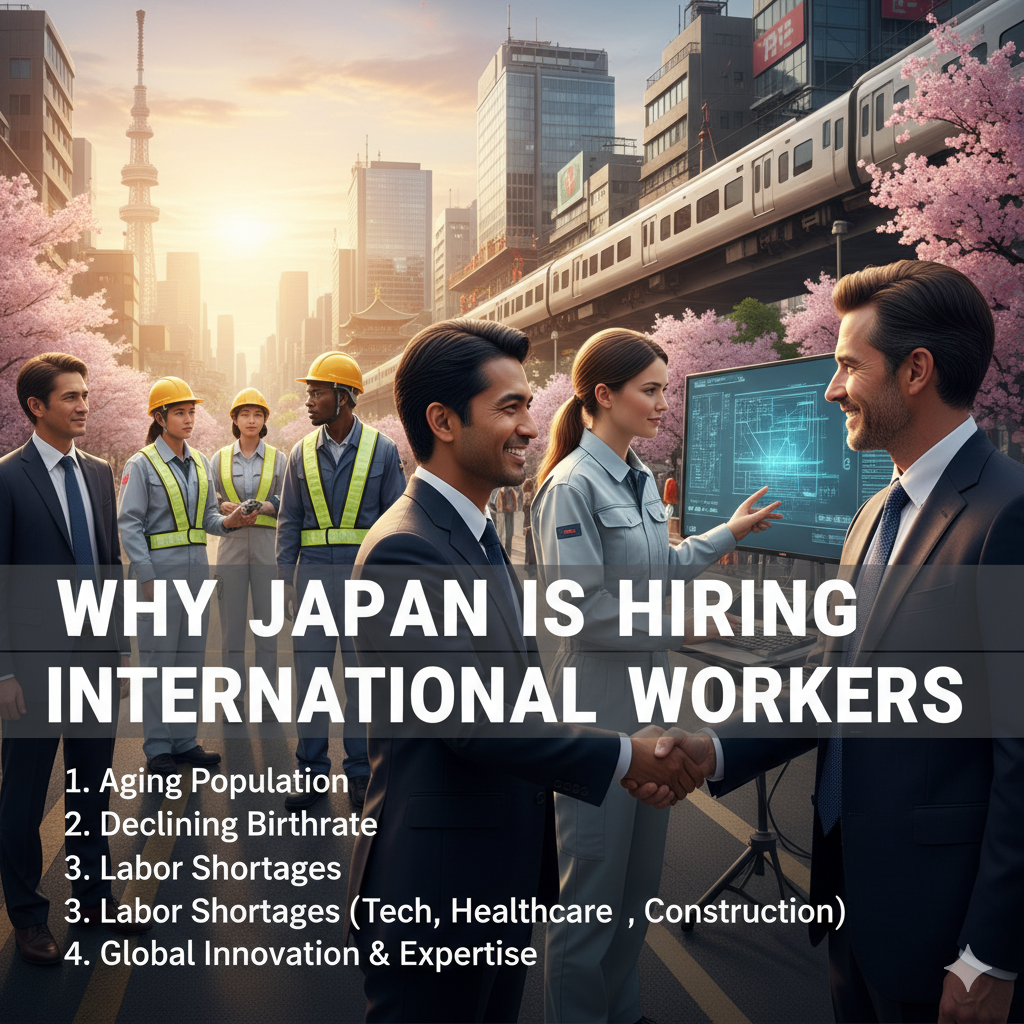
Japan is one of the world’s most technologically advanced and economically stable countries, yet it faces a unique challenge—a rapidly aging population and a declining birth rate. This demographic shift has created a massive shortage of workers across nearly every industry. From healthcare to hospitality, from agriculture to food manufacturing, companies urgently need manpower to keep operations running smoothly. This has opened the door for skilled foreign workers who are ready to build a long-term and stable career abroad.
The Japanese government has already acknowledged the shortage and introduced multiple hiring pathways, including the SSW (Specified Skilled Worker) program. This allows international professionals to work legally in Japan with proper job roles, regulated salaries, safe work environments, and fair employment rights. Foreign workers fill roles that are essential for the daily functioning of Japanese society—like caregiving for the elderly, assisting hospitals, supporting food service chains, working in agricultural farms, and handling logistics and driving duties. Because these industries are continuously expanding, the demand for workers does not slow down.
What makes Japan even more appealing is its structured approach to foreign hiring. Unlike many countries, Japan emphasizes training, clear documentation, and proper orientation. Workers are not thrown into the system blindly—they receive guidance, support, and cultural understanding sessions. This allows professionals to adapt more easily and perform their duties confidently. Moreover, Japanese work culture is known for discipline, respect, and cleanliness, creating an environment that helps foreign workers grow personally and professionally.
Many companies prefer hiring foreign workers because of their dedication and willingness to learn. Whether you come from a caregiving background, have hospitality experience, worked as a driver, or handled agricultural or food-related tasks, there is a place for you in Japan. With interviews scheduled soon and rising demand across multiple sectors, now is the perfect moment to take advantage of these opportunities and join the pathway to a better future.
Understanding SSW Certification for Japan Jobs
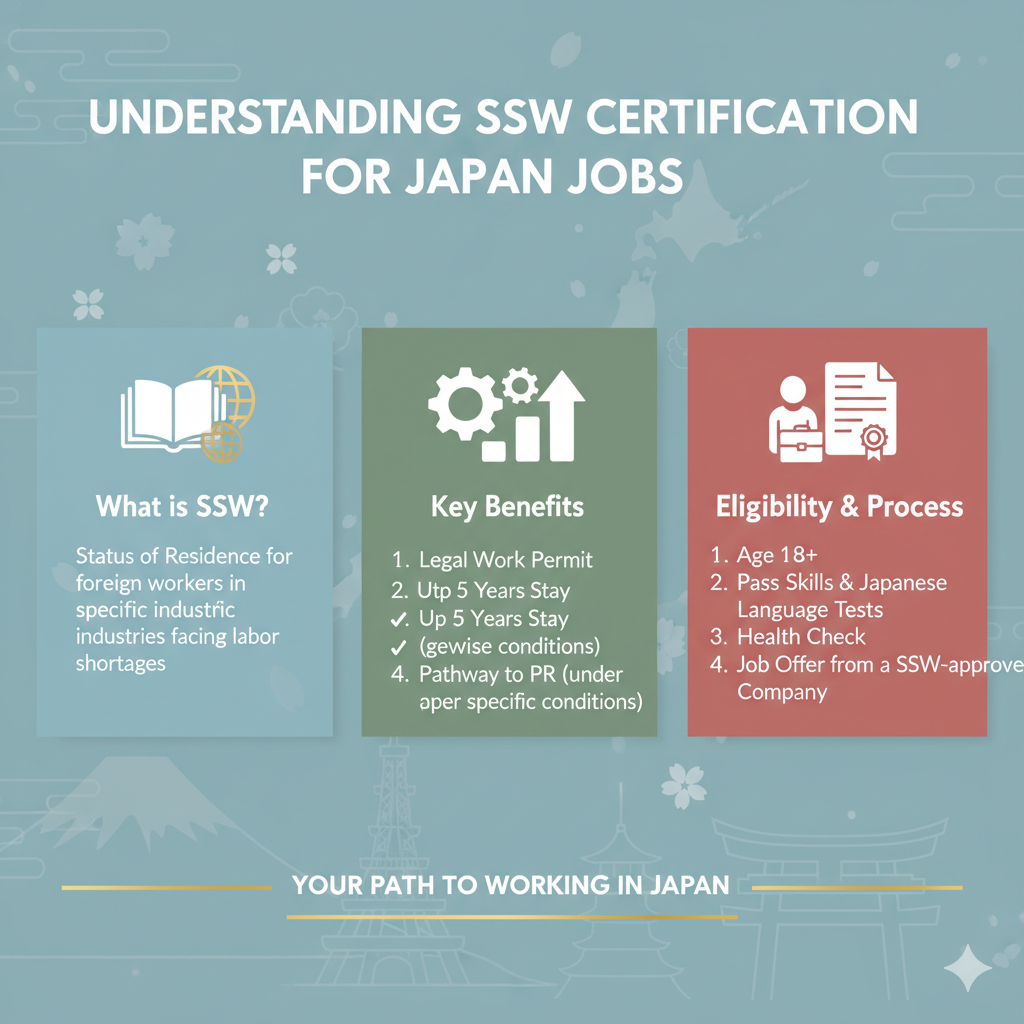
The Specified Skilled Worker (SSW) certification is one of the most important requirements for working in Japan under skilled job categories. Introduced to bridge the labor shortage gap, SSW offers foreign workers a legal, safe, and structured way of building a career in Japan. This certification serves as proof that you have the technical skills, job knowledge, and language ability needed for your role. For example, if you want to work as a caregiver, an SSW (Caregiver) qualification shows that you understand basic caregiving methods, safety procedures, elderly support, and job ethics required in Japan.
There are two main types: SSW Type 1 and SSW Type 2. Most foreign workers start with Type 1, which covers sectors like caregiving, food services, agriculture, hospitality, construction, and manufacturing. This certification allows you to work in Japan for up to five years. With experience and additional tests, some workers may also qualify for Type 2, which offers long-term and extended work opportunities.
The main advantage of SSW is the transparency it brings. Applicants know clearly what skills they need, what responsibilities they will handle, and how the work culture operates. Unlike other countries where job roles can sometimes be unclear, SSW ensures fairness and clarity through standardized requirements. Many employers prefer hiring SSW-certified workers because it guarantees that the candidate has already passed skill tests and Japanese language evaluations.
The recruitment process becomes smoother with SSW, and your chances of selection increase significantly. Whether you are aiming for jobs in food industry packaging, hotel support roles, caregiving tasks, or agriculture work, SSW certification makes your profile more professional and trustworthy to Japanese employers. Since interviews for these roles will be held soon, getting SSW-ready is the smartest step toward securing your Japan job.
N4 Japanese Language Requirement Explained
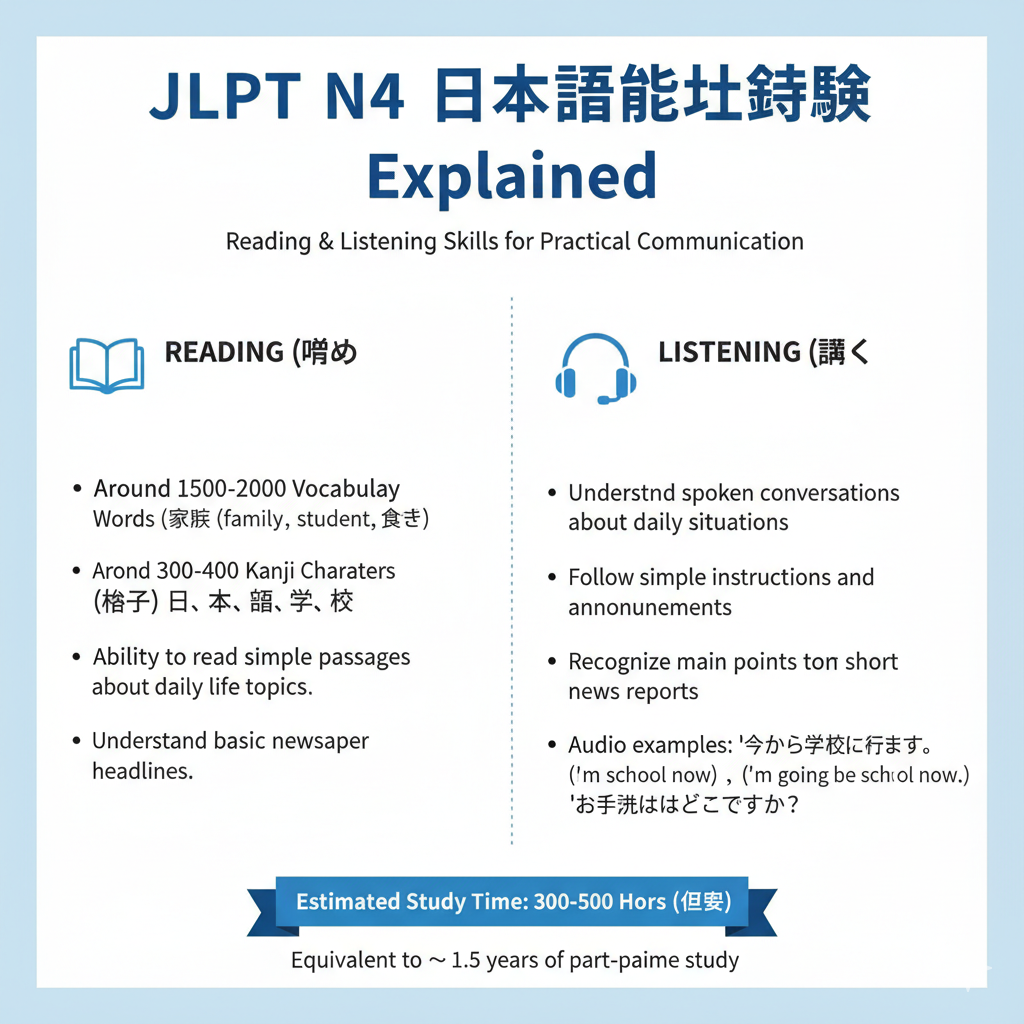
To work in Japan under SSW, candidates are typically required to have N4-level Japanese language skills. This is part of the JLPT (Japanese Language Proficiency Test) framework, which includes levels from N5 (beginner) to N1 (advanced). N4 proves that you understand basic Japanese sentences, can communicate simple daily tasks, and can interact respectfully in the workplace. Japanese work environments value communication, politeness, and teamwork—so language plays a huge role in your success.
The good news is that N4 is not extremely difficult to achieve with consistent practice. Many applicants even begin learning during their training period. Having N4 helps you understand work instructions, safety guidelines, and daily workplace communication. It also boosts your confidence in speaking with colleagues, supervisors, and customers, especially in hospitality, food services, and caregiving roles where interaction is frequent.
N4 gives you practical benefits too. It improves your interview performance because employers appreciate candidates who can already speak comfortably. It shows your dedication and seriousness about working in Japan. Learning the language also makes your daily life easier—whether you are shopping, traveling, or living in accommodation with other workers.
Even if you are currently preparing for N4, you can still move forward with job procedures, attend webinars, and start training. Many foreign workers reach Japan after completing their N4 certification during the application period. With interviews happening soon, this is the right time to strengthen your language skills and improve your chances of selection.
Jobs in Japan for Caregivers
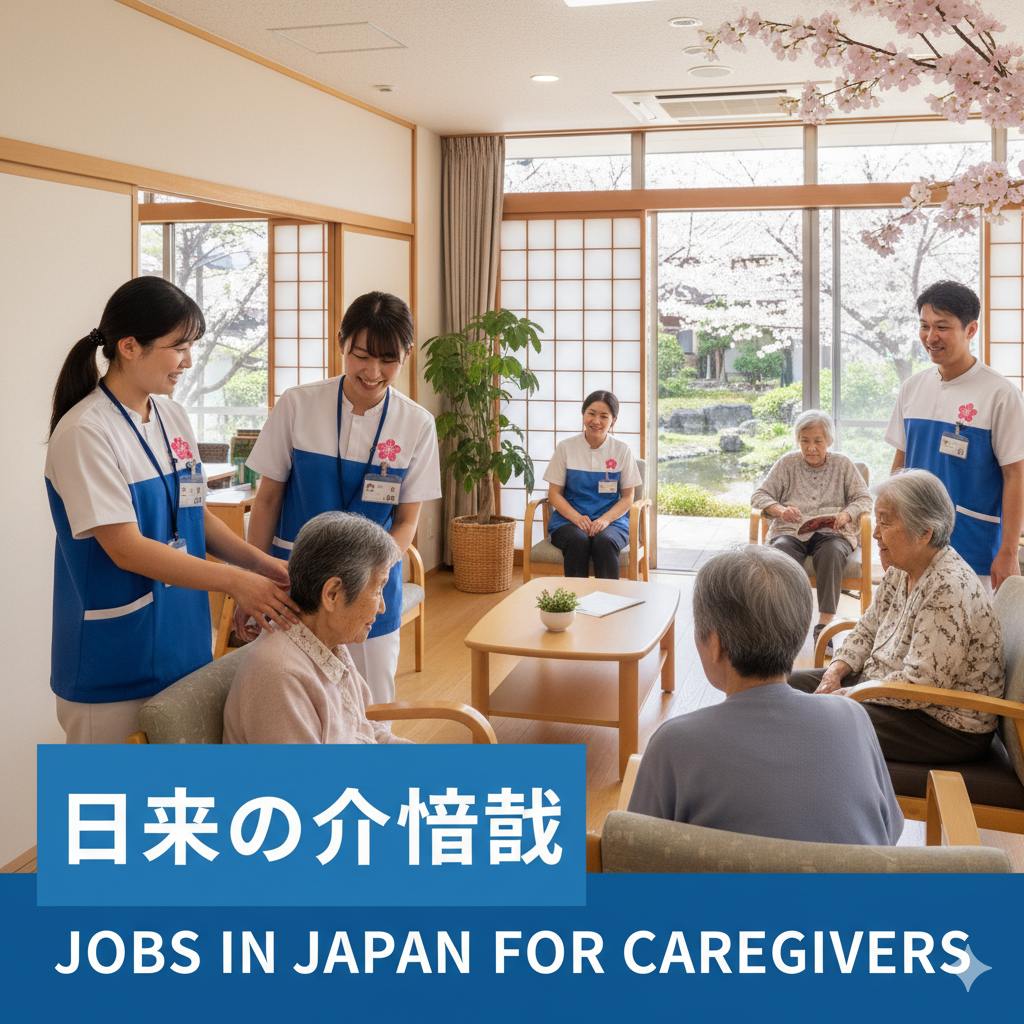
Caregiver jobs are among the most in-demand positions in Japan, mainly because the country’s elderly population is growing faster than ever before. Many families and care homes need trained, compassionate caregivers who can support senior citizens with daily activities such as eating, bathing, walking, medication reminders, and emotional companionship. This sector has become a major entry point for foreign workers, especially those holding SSW Caregiver certification and N4-level Japanese language skills. If you have patience, empathy, and a desire to help people, this field offers a rewarding and meaningful career path.
One of the major benefits of caregiver jobs in Japan is the structured work environment. Care homes are well-equipped, modern, and follow strict safety guidelines. You receive proper training and support from senior staff, especially during your initial months. The job may appear challenging, but Japan ensures that caregivers are provided with the right tools, systems, and guidance to handle tasks smoothly. The work is steady, predictable, and respected by the community, making caregivers an essential part of the country’s social system.
The salary for caregiver roles is competitive, and increases based on performance, experience, and language improvement. Workers also get benefits such as paid leave, accommodation support, and the chance to build long-term careers. Many caregivers eventually progress into senior care coordinators or move into healthcare-related training programs. With hard work and good communication skills, career growth is possible even for foreign workers.
What makes this opportunity more appealing is the number of upcoming interviews and training programs announced for international candidates. With webinars available, applicants can learn about job responsibilities, cultural expectations, and interview preparation. Locations like Sendai, Fukushima, Koriyama, Waki, Tsunomiya, Hitachi, and Tokyo are actively hiring under the caregiver category. If you are ready for a stable career with purpose and security, caregiver jobs in Japan are an excellent option to start your journey.
Nursing Jobs in Japan
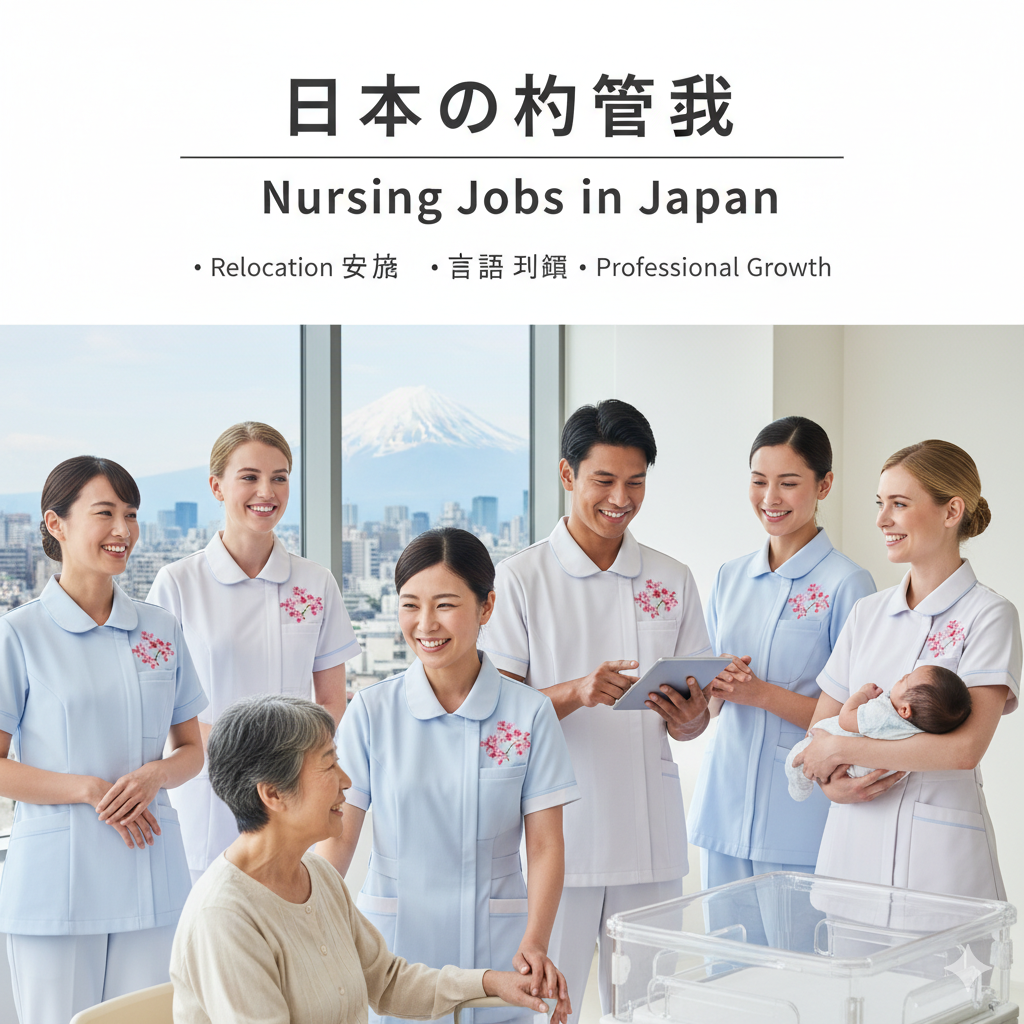
Nursing jobs in Japan are one of the most respected and secure professions in Japan. With the shortage of healthcare workers growing each year, hospitals, clinics, and rehabilitation centers are increasingly looking for trained international nurses who can assist both medical staff and patients. Nursing roles require dedication, skill, and empathy—qualities that many foreign workers already possess. Japan recognizes this and offers structured pathways for international candidates, especially those who have healthcare experience and are willing to complete necessary certifications such as SSW or nursing-specific exams.
As a nurse in Japan, you may be responsible for monitoring patients, assisting with medical procedures, maintaining records, supporting doctors, providing bedside care, and ensuring patient comfort. Japanese medical facilities are known for their cleanliness, advanced technology, and professional work ethics. This means you will be working in a clean, safe, and well-organized environment. Even if you are new to the country, you receive guidance from senior staff, making the adjustment process smoother and more comfortable.
The demand for nurses is particularly high in locations such as Fukushima, Sendai, Koriyama, Hitachi, and Tokyo, where aging communities require regular medical support. With interviews happening shortly, candidates with nursing certifications are encouraged to apply early. The salary in this profession is attractive and increases steadily based on your experience, Japanese language skills, and training completion. Many foreign nurses also benefit from long-term career options, including specialization, advanced medical training, and potential pathway to permanent residency based on performance and years of service.
N4-level Japanese is usually required, and further language improvement is recommended to communicate effectively with patients. Hospitals value nurses who can speak clearly and offer emotional support. If you have a nursing background and dream of working in a world-class healthcare system, Japan offers one of the best opportunities for professional growth.
Hospitality Jobs in Japan
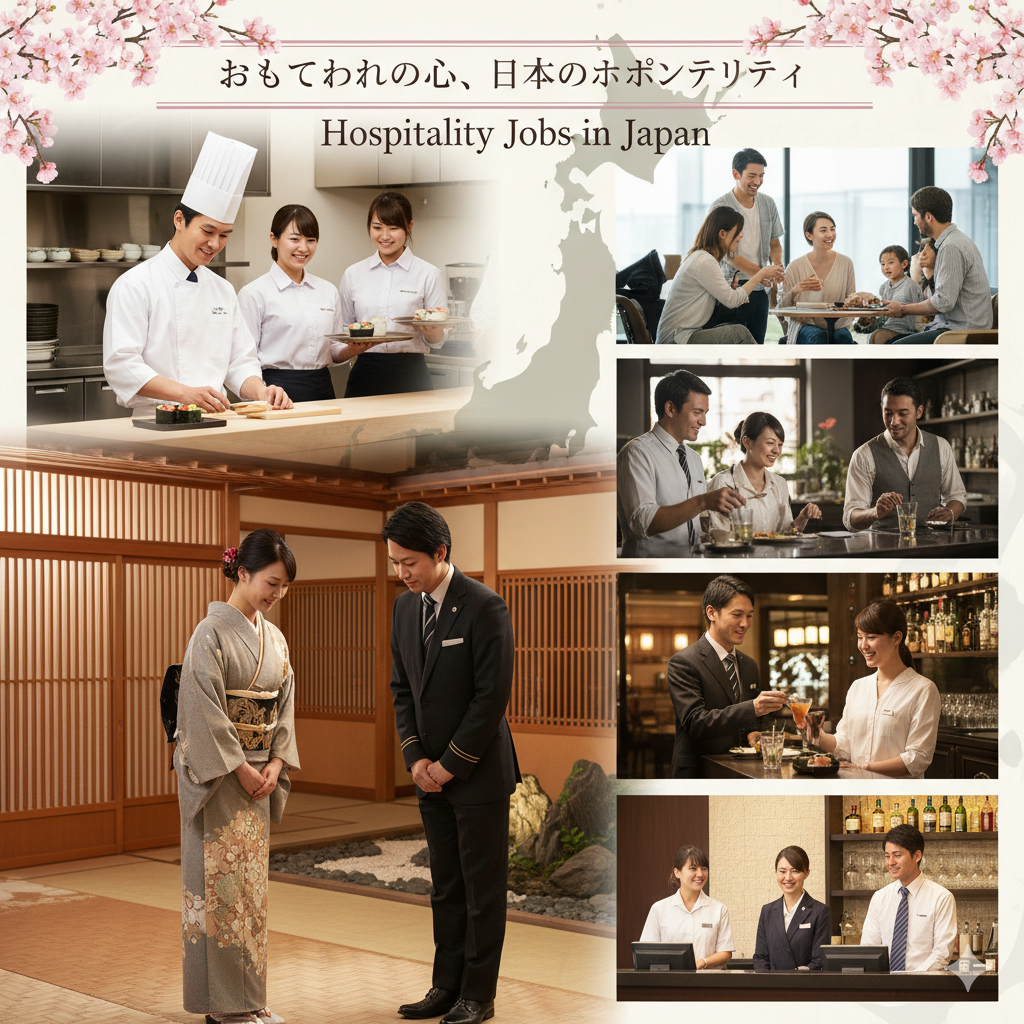
Hospitality jobs in Japan is one of the fastest-growing job sectors in Japan, especially with tourism increasing year after year. From hotels and guest houses to resorts and travel service centers, the hospitality industry requires manpower for roles like front desk staff, housekeeping, kitchen assistants, guest service coordinators, and restaurant support. The Japanese culture of respect and cleanliness shines through in this sector, making it a great environment for workers who enjoy customer service and teamwork.
One of the biggest advantages of hospitality jobs is that they don’t always require specialized education—skills, training, and attitude matter more. If you have experience in hotels or restaurants, it works as a huge advantage, but even freshers can apply under SSW after completing basic training. The work involves tasks like welcoming guests, assisting with check-in, preparing rooms, supporting chefs, setting dining tables, and ensuring guests have a smooth experience. The environment is dynamic and lively, especially in cities like Tokyo, Sendai, Tsunomiya, and Waki, where tourism is booming.
Hospitality workers enjoy stable income, clean accommodation, and job security. Japanese hotels are known for discipline and high standards—qualities that help workers develop strong professional habits. Even if you are new to customer service, proper training is provided to every employee. The more you interact with guests and improve your Japanese language skills, the faster you can move up to senior positions like team leader or supervisor.
With interviews scheduled soon and high demand for foreign workers, this is the ideal time to apply. Whether you prefer working in a quiet hotel or a busy tourist location, hospitality jobs offer both stability and personal growth for international candidates.
Job Opportunities in Japan’s Food Service Industry
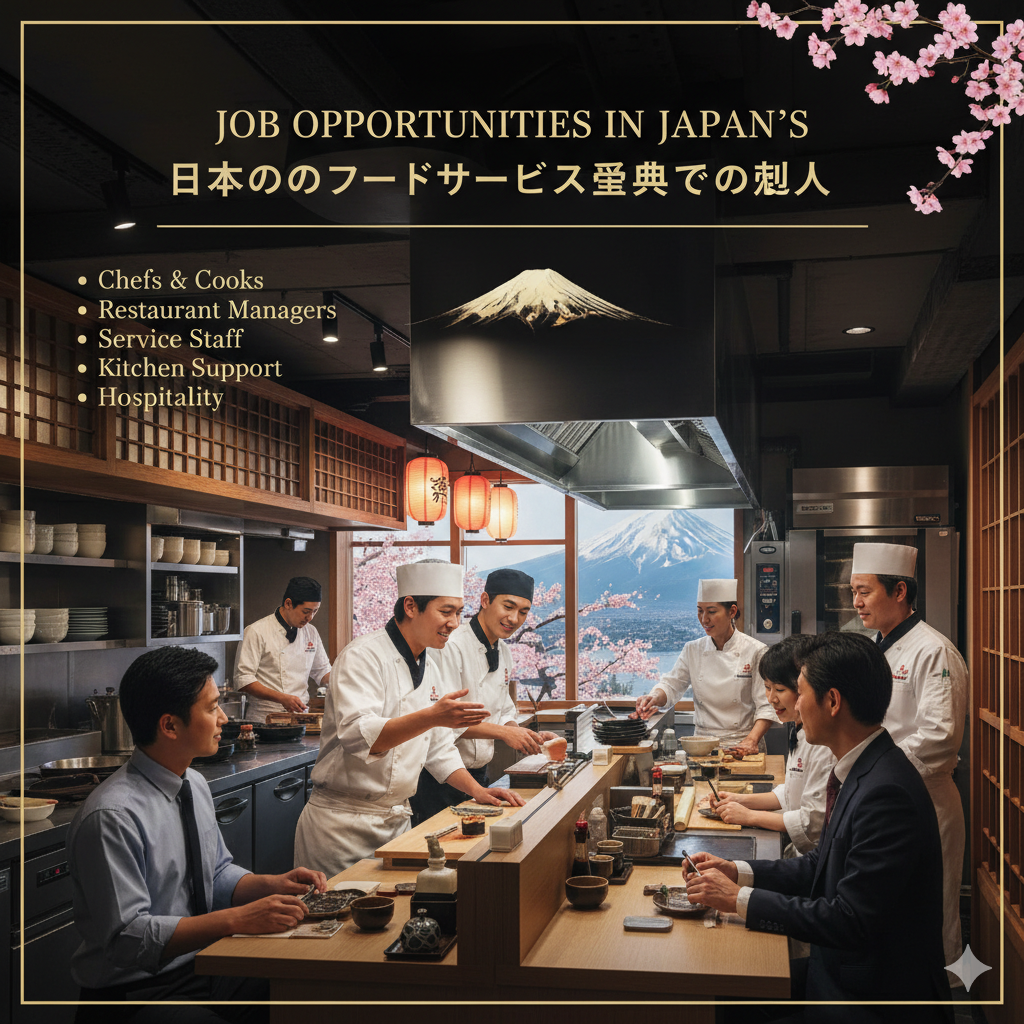
The food service industry in Japan is one of the most vibrant and fast-paced sectors, creating thousands of job opportunities for foreign workers every year. Restaurants, cafeterias, bento shops, fast-food chains, cafés, and hotel dining facilities constantly need skilled and dedicated manpower. Under the SSW Food Service category, international candidates can work in roles like kitchen assistant, food preparation staff, cooking support, dishwashing, customer service, and counter handling. These jobs focus heavily on hygiene, teamwork, and speed—qualities that many foreign workers adapt to easily.
What makes jobs in this sector appealing is the structured workflow. Each task is well-organized, with clear instructions and guidelines. Workers follow standard operating procedures for food preparation, safety, and cleanliness. Even beginners receive training during the initial weeks, helping them learn Japanese methods of food handling. This creates a safe and supportive environment for international workers. As you gain experience, your responsibilities increase—leading to better salary and promotions.
Food service jobs are available across Japan, especially in high-demand areas like Tokyo, Sendai, Hitachi, Koriyama, Fukushima, and Tsunomiya. These urban centers have a high concentration of restaurants and food chains, creating consistent job openings. The work is steady throughout the year, and overtime opportunities are also available depending on the season. The salary usually increases with performance, language improvement, and experience.
One major advantage of working in Japan’s food service industry is the cultural exposure. You get to learn Japanese cooking styles, customer service etiquette, and teamwork skills. These experiences help you grow both personally and professionally. With interviews coming soon and many employers looking for SSW-certified workers, now is an excellent time to apply and secure your position in this fast-growing industry.
Food Industry Jobs in Japan
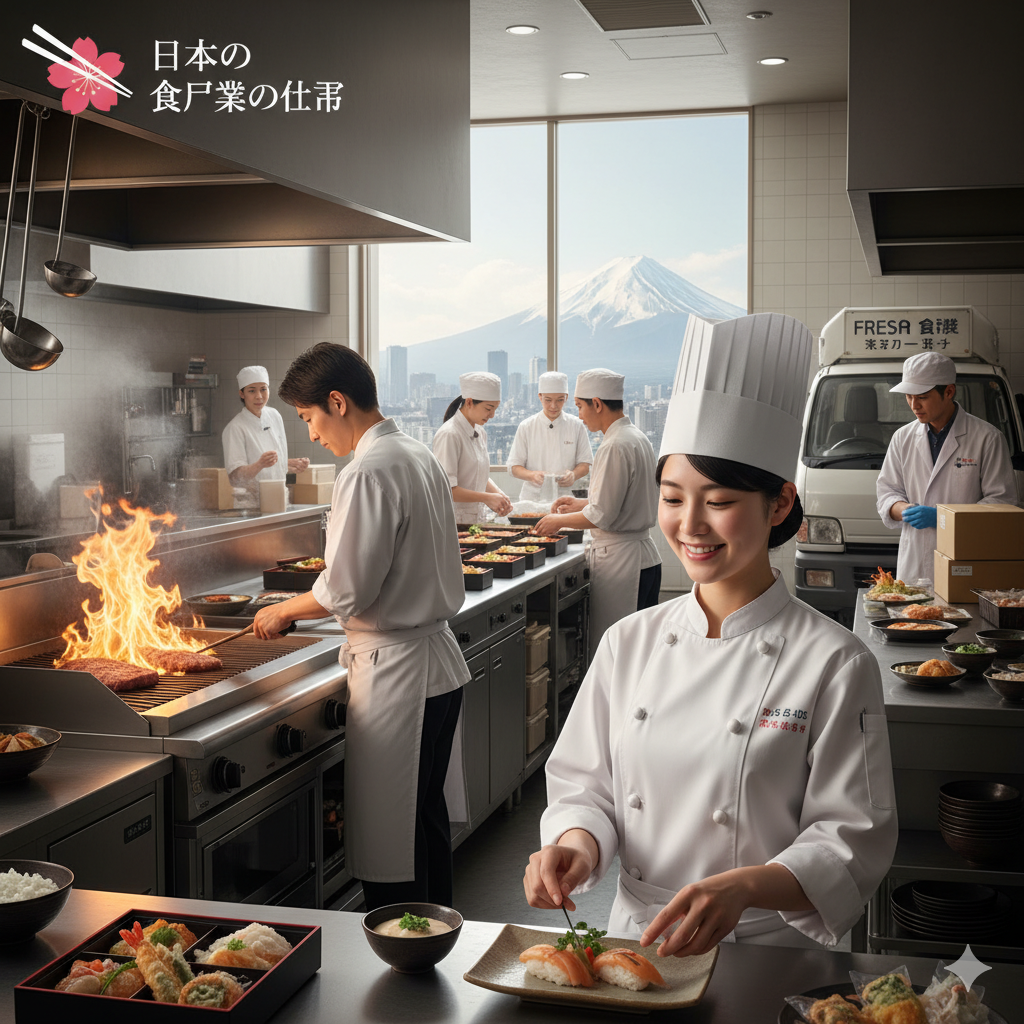
Beyond restaurants and cafés, Japan’s larger food industry is another massive sector offering stable and reliable job opportunities for foreign workers. This includes food processing plants, packaging units, seafood facilities, meat factories, bakery production houses, and vegetable sorting centers. Under the SSW Food Industry category, roles may include packaging, weighing, sorting, labeling, quality checking, machine operation, and cleaning. These jobs are essential in maintaining Japan’s food supply chain, ensuring that products reach supermarkets and consumers fresh and safely.
Food industry jobs are perfect for candidates who prefer factory-based work rather than customer-facing roles. The environment is clean, organized, and monitored carefully. Workers follow safety protocols and standard instructions, making it easy to adapt even if you have no prior experience. Many foreign workers succeed in this sector because tasks are methodical, predictable, and well-structured. Supervisors guide new workers through training sessions, ensuring they feel comfortable in their roles.
High-demand hiring locations include Mikuni Rang, Fukushima, Waki, Hitachi, Koriyama, and Sendai, where food factories are expanding and need continuous manpower. These areas offer long-term employment, consistent work schedules, and opportunities to progress into senior roles such as line leaders or machine supervisors. Workers also enjoy accommodation assistance, transportation support, and safe working conditions.
Language requirements are manageable—N4 Japanese is enough to understand safety instructions and communicate during shifts. The salary is competitive and stable, with the possibility of bonuses and overtime depending on production needs. With interviews to be held shortly and online webinars guiding candidates about job roles and expectations, this is the right moment to join Japan’s growing food manufacturing industry.
Agriculture Jobs in Japan
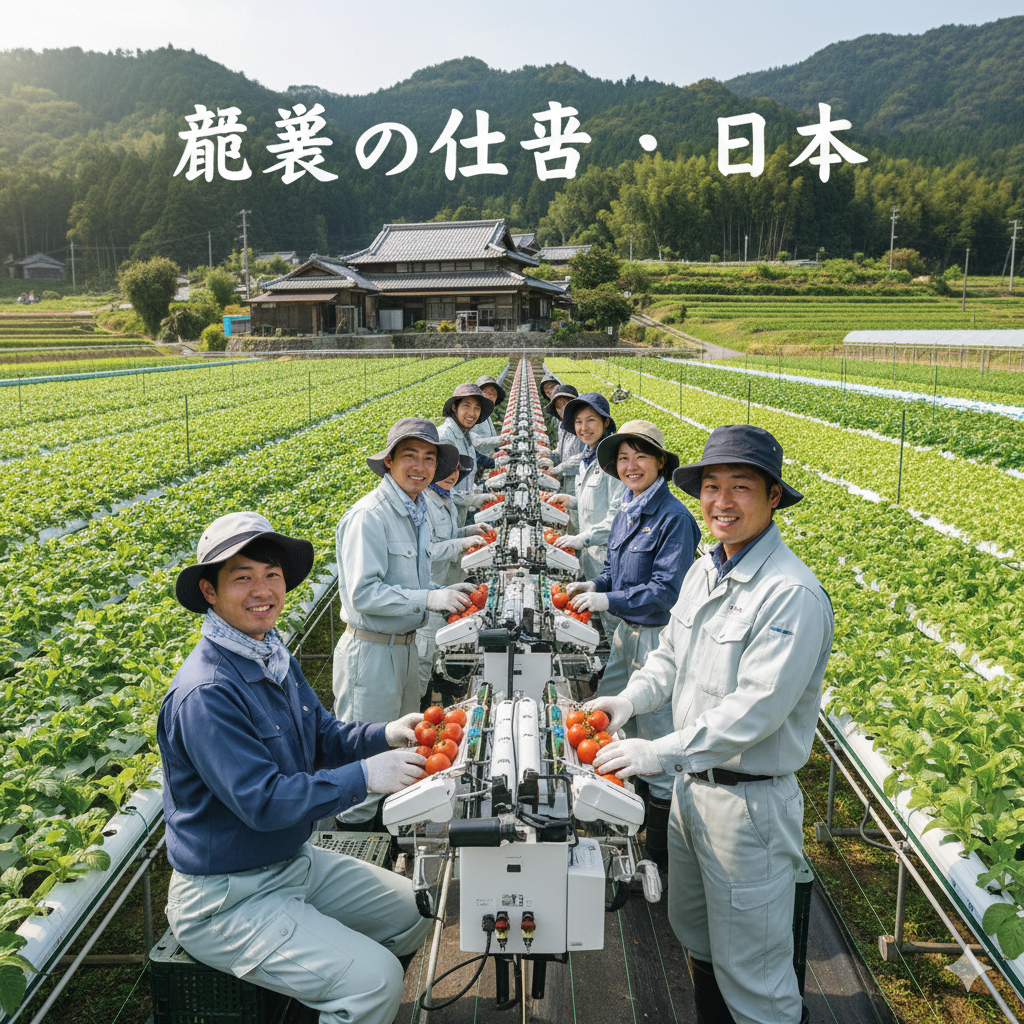
Agriculture jobs in Japan is one of the oldest and most respected industries in Japan, and today it has become a major employment opportunity for foreign workers under the SSW Agriculture category. With Japan’s rural population aging, farms across the country need young, energetic workers to support daily agricultural tasks. These roles may include planting, harvesting, sorting vegetables and fruits, greenhouse maintenance, seedling care, packaging produce, and supporting farm machinery operations.
Japan’s agricultural system blends traditional methods with modern technology, offering workers a unique and valuable learning experience. Farms are clean, well-organized, and highly disciplined. Seasonal work is especially popular, where foreign workers help during peak harvest months. Whether you are working in vegetable fields, fruit orchards, rice farms, or greenhouse operations, the tasks are clearly explained and supervisors provide continuous guidance.
Locations such as Fukushima, Koriyama, Mikuni Rang, Tsunomiya, and Waki have a strong demand for agricultural workers. These places offer peaceful surroundings, fresh air, and a healthy work environment. Workers often appreciate the simplicity and routine of farm life, along with the opportunity to learn new techniques used in Japanese agriculture. Many foreign workers also enjoy the sense of community that develops within farming teams.
The salary is stable, and overtime opportunities are common during harvest season. Workers with energy, discipline, and the ability to work outdoors can thrive in this sector. N4-level Japanese helps workers communicate with farm managers and understand safety instructions. With interviews happening soon and training programs available through webinars, agriculture jobs are ideal for candidates seeking stable income and long-term growth in Japan.
Driver Jobs in Japan
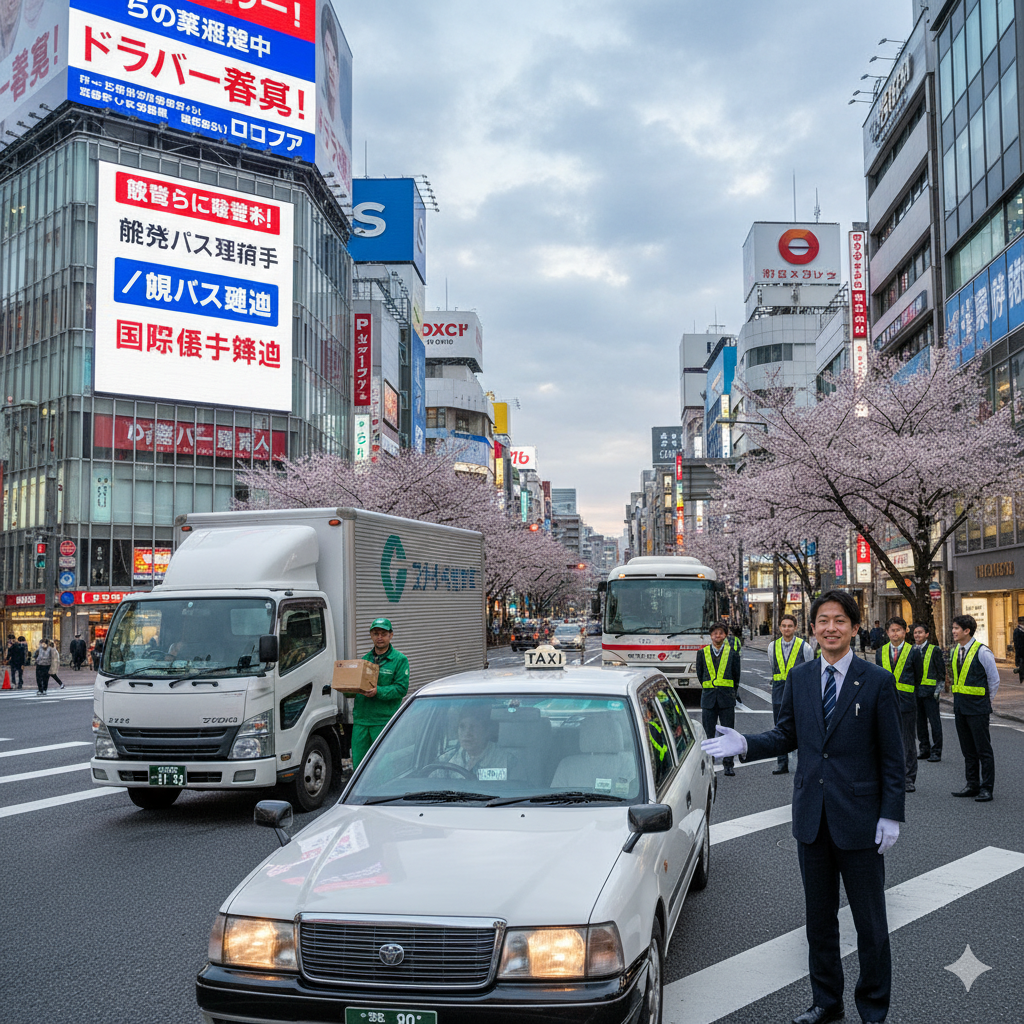
Driver jobs are becoming increasingly important as Japan’s logistics, transportation, and delivery industries expand rapidly. Under the SSW category, foreign workers may qualify for certain types of driving and delivery support roles—depending on license requirements and employer needs. These roles include delivery van driving, cargo handling, assisting transport companies, and supporting logistics centers. Workers may also help in loading, unloading, navigation support, and coordination of delivery schedules.
Japan values punctuality and efficiency, making the logistics sector one of the most organized in the world. Companies offer structured training, clear work instructions, and safe working conditions. Even if your role involves more loading and delivery support rather than driving, you still gain valuable experience in one of the world’s most advanced logistics systems. Candidates with driving experience from their home country often adapt quickly.
High-demand hiring areas include Tokyo, Sendai, Hitachi, Tsunomiya, and Koriyama, where delivery services and transportation networks are continuously expanding. The salary is attractive and increases with experience and language improvement. Having N4 Japanese allows workers to communicate effectively with supervisors and understand delivery routes, safety protocols, and customer interaction guidelines.
Driver and logistics support jobs offer excellent long-term stability. Workers who perform well can move into warehouse coordination, route planning, or senior logistics roles. With upcoming interviews and training webinars, now is the perfect time to prepare and secure your position in Japan’s fast-growing transport industry.
Online Webinar for Japan Job Opportunities
Online webinars have become one of the most helpful tools for candidates who want to understand job opportunities in Japan before attending interviews. These sessions provide clear guidance, real-time information, and step-by-step instructions about the recruitment process. Whether you are applying for caregiver, hospitality, food service, agriculture, driving, or food industry roles, webinars help you gain the knowledge and confidence needed to move forward successfully. They also explain important topics such as SSW certification, N4 Japanese language requirements, job responsibilities, living conditions, salary details, and interview preparation.
What makes these webinars especially useful is their interactive nature. You can ask questions, get answers directly from experts, and understand what employers expect from foreign workers. Many candidates join webinars to learn about Japanese workplace culture, basic manners, dress code, and communication style. This helps applicants create a strong impression during interviews. The more you know about Japan’s working environment, the better prepared you will be to show commitment and professionalism.
For candidates applying to positions across cities like Mikuni Rang, Sendai, Fukushima, Tsunomiya, Waki, Koriyama, Hitachi, and Tokyo, webinars are a valuable opportunity to clarify the role and responsibilities specific to each location. These areas offer diverse job opportunities, and webinars explain the differences clearly so applicants can choose the best path for their skills. They also guide workers in preparing the required documents, understanding the visa process, and knowing what to expect after arriving in Japan.
With interviews scheduled to be held shortly, attending an online webinar ensures you are fully prepared and aware of how to present yourself effectively. It is one of the smartest steps you can take toward securing a stable and promising job in Japan. Whether you are a fresher or an experienced professional, these webinars are designed to support all applicants equally and help them achieve success.
Top Hiring Locations in Japan
Japan offers job opportunities across many beautiful and economically strong regions, and some of the most active hiring zones include Mikuni Rang, Sendai, Fukushima, Tsunomiya, Waki, Koriyama, Hitachi, and Tokyo. Each location has its own unique advantages, work environments, and cultural experiences. Candidates applying for caregiver, hospitality, food service, agriculture, driving, or food industry jobs can choose areas based on their comfort and preference. Understanding these regions allows applicants to make informed decisions before relocating.
Mikuni Rang is known for its peaceful environment and growing industrial presence, especially in the food and agriculture sectors. It is ideal for workers who prefer a quiet lifestyle with steady job opportunities. Sendai, on the other hand, is a major city with excellent transportation, modern infrastructure, and a strong demand for hospitality, food service, and caregiving staff. It offers a great balance of urban life and natural beauty.
Fukushima and Koriyama are excellent locations for agriculture and food industry jobs due to their large farming lands and food production facilities. These regions hire workers throughout the year, especially during peak seasons. Tsunomiya is well-known for its food culture and manufacturing industries, providing opportunities for food processing and packaging roles. Waki is another region with stable job availability, particularly in agriculture and factory-based work.
Hitachi offers opportunities in logistics, factory roles, and support services, making it suitable for workers seeking long-term stability. Finally, Tokyo—Japan’s capital city—provides a wide range of jobs in hospitality, food service, caregiving, and transport. It is a vibrant, busy city that attracts workers who enjoy fast-paced environments and diverse experiences.
Understanding these hiring locations helps you select the right place for your lifestyle and career goals. With interviews coming up soon, choosing your preferred location early ensures a smoother and quicker application process.
How to Apply for Jobs in Japan
Applying for jobs in Japan requires a systematic approach, and following the correct steps greatly increases your chances of selection. First, candidates need to identify which job category they are best suited for—caregiver, hospitality, food service, agriculture, food industry, or driver roles. Once the category is chosen, the next step is to check eligibility requirements such as SSW certification, N4 Japanese language skills, and any experience related to the job.
After confirming eligibility, candidates should prepare essential documents including educational certificates, work experience proofs, passport, photographs, and training completion certificates if applicable. Joining an online webinar is highly recommended because it provides clarity on document preparation and helps you avoid mistakes. Webinars also explain interview procedures, expected questions, and cultural manners important for Japanese employers.
Next comes the registration process. Candidates submit their documents and attend an orientation session where guidelines and job details are explained. After this, they are shortlisted for interviews with Japanese employers. Interviews may be held online or in person, depending on the job category and employer requirements. During interviews, applicants need to demonstrate confidence, politeness, and basic Japanese communication skills.
Once selected, candidates go through visa processing, contract signing, and final training sessions before departure. Throughout this process, communication and timely submission of documents are important. With interviews happening soon, now is the ideal time to begin your application journey and take the first step toward working in Japan.
Interview Tips for Japan Jobs
Interviews for Japan jobs follow a polite and structured format. Employers look for candidates who are respectful, disciplined, and eager to learn. One of the most important tips is to greet politely and maintain a positive attitude throughout the interview. Even simple Japanese phrases like “Hajimemashite” (Nice to meet you) and “Yoroshiku onegaishimasu” (Please treat me well) can create a great first impression.
Another key tip is to answer questions clearly and honestly. Employers appreciate straightforward communication and a calm tone. Be ready to talk about your experience, your willingness to learn Japanese workplace culture, and your motivation for choosing Japan. Avoid long pauses or complicated explanations—keep your answers simple and genuine.
Maintaining good posture, eye contact, and a smile also helps build a connection. Employers want to see enthusiasm and responsibility, especially for roles like caregiving, hospitality, and food service where teamwork and communication are important. Practicing Japanese self-introduction, or jiko shoukai, can further boost your confidence.
Understanding the job role is crucial. Before the interview, attend webinars and research job responsibilities for your category—caregiver, agriculture, food service, hospitality, or driver roles. This helps you give job-specific answers and shows you are serious about working in Japan. With interviews to be held shortly, preparing in advance ensures you stand out as a strong and confident candidate.
Salary Expectations Across Different Sectors
Japan offers competitive and stable salaries across all major sectors hiring foreign workers. While the exact amount varies depending on the job role, location, and employer, most jobs under the SSW program offer a reliable income that increases with experience and language improvement. For many applicants, working in Japan is not only about earning money but also about building a long-term career with security, growth, and respect. Understanding salary expectations helps candidates prepare financially and choose the right job category based on their personal goals.
In caregiver roles, salaries usually fall within a steady range, with opportunities for overtime and bonuses. Caregiving is a respected profession in Japan, and workers often receive additional training that increases their earning potential over time. The salary rises significantly once workers improve their Japanese language skills and gain experience in handling various caregiving tasks. Cities like Sendai, Koriyama, and Tokyo offer slightly higher salaries due to the cost of living and demand.
Nursing roles generally pay more compared to caregiving because they involve medical responsibilities, recordkeeping, patient monitoring, and cooperation with doctors. Nurses with certifications and prior experience from their home country receive favorable consideration. Salary increments are common as workers gain experience, show commitment, and achieve higher Japanese proficiency.
In the hospitality sector, employees working in hotels, guest houses, and tourist centers usually receive consistent salaries, with opportunities to earn more through extra shifts and seasonal demand. Locations such as Tokyo and Sendai tend to offer higher wages due to tourism. Workers who excel in customer service or communication often rise to supervisory roles, which come with higher pay.
Food service and food industry roles provide stable income with plenty of chances for overtime depending on production schedules. Workers in packaging, processing, cooking support, or cleaning can earn more during peak seasons. Areas like Fukushima, Hitachi, and Mikuni Rang offer various factory-based jobs with consistent demand.
Agriculture workers receive monthly salaries that may include seasonal bonuses. During planting or harvesting seasons, overtime becomes common, giving workers a chance to earn additional income. Regions like Waki and Tsunomiya have strong agricultural networks offering stable hiring.
Driver and logistics support roles often come with competitive pay, especially in busy cities like Tokyo or Sendai. Delivery assistance, warehouse support, and cargo handling roles allow workers to earn extra depending on workload and performance.
Overall, Japan’s salary system is fair, structured, and growth-focused. With upcoming interviews and rising demand across cities like Mikuni Rang, Sendai, Fukushima, Tsunomiya, Waki, Koriyama, Hitachi, and Tokyo, candidates can expect stable and rewarding incomes across all job categories.
Living in Japan as a Foreign Worker

Living in Japan is a unique and enriching experience for foreign workers. The country is known for its safety, cleanliness, punctuality, and polite culture—making it one of the most comfortable places to live and work. Whether you stay in a big city like Tokyo or a peaceful region like Waki or Koriyama, Japan ensures a high standard of living with well-maintained public transportation, organized streets, clean neighborhoods, and supportive communities. Many workers appreciate Japan’s calm environment, which allows them to focus on work while enjoying personal growth.
Accommodation provided to foreign workers is usually clean, organized, and located near workplaces or transportation routes. Shared apartments or dormitories are common, especially for caregivers, hospitality workers, and food industry staff. These living arrangements help workers adjust quickly and make friends with coworkers from different countries. Grocery stores, convenience shops, medical facilities, and public parks are usually close by, making daily living simple and convenient.
Japanese culture places great importance on respect and discipline, which creates a peaceful atmosphere in both work and personal life. Workers learn valuable habits such as time management, cleanliness, and teamwork. The country’s public transport system is world-famous for its reliability—trains and buses run on time, allowing workers to plan their daily routines efficiently.
Food is another exciting part of living in Japan. Workers enjoy trying new dishes, from ramen and sushi to traditional rice meals. Shopping, exploring temples, and experiencing festivals add color to everyday life. Even basic activities like visiting local markets or walking through cherry blossom parks become memorable experiences.
Japan also provides opportunities for career advancement. Workers who improve their Japanese skills and show dedication can extend their employment, switch job categories, or progress into senior positions. Many foreign workers eventually build stable futures for themselves in Japan. With job openings increasing in locations like Sendai, Fukushima, Mikuni Rang, Tsunomiya, Koriyama, Hitachi, and Tokyo, now is one of the best times to start your journey.
Why Join the Japan Job Webinar Immediately
Joining a Japan job webinar is one of the smartest steps you can take before attending interviews. These webinars provide clear, organized, and detailed information that can significantly improve your chances of selection. They explain the complete recruitment process, from document preparation to job category selection, interview format, workplace expectations, and relocation steps. Whether you are applying for caregiver, hospitality, agriculture, food service, or driver roles, webinars offer tailored guidance for each category.
Another key benefit of joining early is gaining access to updated hiring notices. With interviews expected to be held shortly across locations such as Mikuni Rang, Sendai, Fukushima, Tsunomiya, Waki, Koriyama, Hitachi, and Tokyo, attending a webinar ensures you receive timely alerts. Many employers prefer candidates who are informed, prepared, and aware of their responsibilities.
Webinars also help you understand Japanese workplace culture, which plays a major role in interview success. Learning about manners, greetings, dress code, and communication styles gives you an advantage over other applicants. You also get the chance to ask questions directly, clarify confusion, and receive expert advice on improving your profile.
If you are preparing for N4-level Japanese or SSW certification, webinars provide additional tips and study in Japan recommendations. They guide you on how to present your skills confidently and how to demonstrate your commitment to working in Japan. Attending a webinar not only builds confidence but also increases the chances of being selected by employers quickly.
How to Get Started Now (With Contact Details)
Getting started on your journey to work in Japan is simple and straightforward. The first step is to prepare your documents, check job eligibility, and review available positions across sectors like caregiver, hospitality, agriculture, food industry, food service, and driving. Once you are ready, reach out to the contact details provided to begin your registration, document submission, webinar participation, and interview scheduling.
You can start immediately by contacting:
Phone: +918368938788
Email: projects@hrinternational.in
Through these contact details, you will receive guidance on upcoming interviews, required certifications, training schedules, and preferred hiring locations such as Mikuni Rang, Sendai, Fukushima, Tsunomiya, Waki, Koriyama, Hitachi, and Tokyo. The process is smooth, and skilled advisors help you understand everything step-by-step so you can move forward with confidence.
Conclusion
Japan offers an incredible opportunity for skilled and dedicated foreign workers across multiple industries such as caregiving, nursing, hospitality, food service, agriculture, driving, and the broader food industry. With structured hiring through the SSW program, N4 language requirements, and upcoming interviews, this is the perfect time for applicants to secure a stable and rewarding career. Online webinars make the journey even easier by guiding candidates through every step, ensuring they understand responsibilities, expectations, and cultural values.
Whether you prefer working in busy cities like Tokyo or peaceful regions like Waki and Koriyama, Japan provides a safe environment, clean living conditions, strong work ethics, and endless growth opportunities. With high demand for workers in locations like Mikuni Rang, Sendai, Fukushima, Tsunomiya, Hitachi, and more, candidates can confidently move forward and build a successful future. Now is your moment to take action, attend webinars, prepare for interviews, and start your journey toward a new life in Japan.
FAQs
- Do I need SSW certification to work in Japan?
Yes, for most caregiving, hospitality, food service, agriculture, and food industry roles, SSW certification is required. - Is N4-level Japanese mandatory?
Yes, N4 helps you communicate at work and is usually required for SSW job categories. - Which cities are hiring the most foreign workers?
Mikuni Rang, Sendai, Fukushima, Tsunomiya, Waki, Koriyama, Hitachi, and Tokyo currently have strong demand. - What types of jobs are available?
Caregiver, nursing, hospitality, food service, food processing, agriculture, and driving jobs. - How can I apply for jobs in Japan?
You can begin the process by contacting +918368938788 or emailing projects@hrinternational.in for registration and interview scheduling.
Leave a Reply