
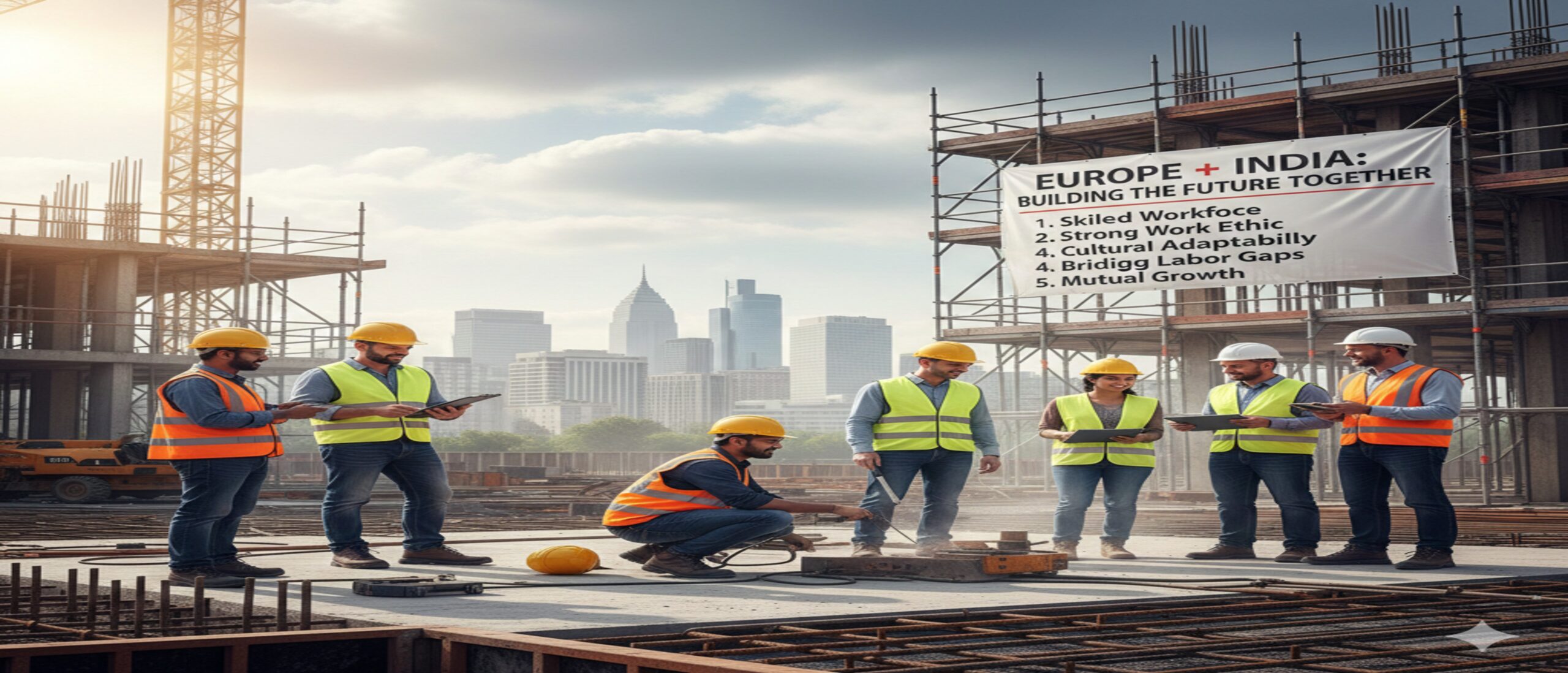

Europe’s construction sector is expanding at a pace that many countries struggle to keep up with. Massive infrastructure upgrades, housing shortages, and the transition toward green energy are pushing the demand for highly skilled construction labor to new heights. And in the middle of this growing need, one trend stands out clearly: Europe loves hiring skilled construction workers from India.
This growing preference isn’t accidental. It’s rooted in multiple economic, social, and practical reasons that have reshaped the construction industry across Europe. Whether you look at residential building projects, commercial developments, road and rail expansions, or renewable-energy installations—Indian construction professionals are everywhere, contributing essential skills that keep Europe’s development plans moving forward.
In the following detailed guide, you’ll discover exactly why Indian construction workers have become the backbone of many European projects, what makes them so valuable, and how this trend is shaping the future of the continent’s infrastructure.
Understanding the Growing Demand for Construction Talent in Europe
Europe is witnessing one of the most significant labor shortages in its construction sector. Elderly workers are retiring faster than new workers are entering the field, creating a critical talent gap. On top of that, younger generations are shifting career interests away from physically demanding jobs, making it harder for construction companies to find skilled local labor.
Countries across Europe are launching large-scale infrastructure programs, including rebuilding roads, upgrading ports, expanding airports, and constructing new residential zones to address housing shortages. These massive developments require thousands of skilled workers—carpenters, masons, electricians, plumbers, welders, and heavy-equipment operators.
But the local supply simply isn’t enough.
This is where Indian construction workers come into the picture, offering exactly the kind of expertise and manpower Europe needs. Their involvement helps prevent delays, reduces project costs, and ensures that construction quality remains high. With India being home to one of the world’s largest skilled labor forces, it has naturally become a top source of talent for Europe.
How Labor Shortages Are Reshaping the European Construction Industry
Europe’s construction industry is undergoing a major transformation due to persistent labor shortages. For years, construction companies relied heavily on local talent, assuming that training programs and apprenticeships would consistently produce enough skilled workers. However, reality has shifted dramatically. The number of workers entering the construction field has decreased, and many younger people prefer careers in technology or remote-friendly roles. This shift has left construction companies struggling to find reliable hands for essential tasks.
The shortage isn’t just a minor inconvenience—it’s a challenge that directly affects project timelines, budgets, and long-term development plans. Many European countries are seeing delays in housing projects, extended timelines for road repairs, and increased costs for basic construction work. These issues add pressure on government bodies and private developers, who are expected to deliver results quickly, especially as urban populations grow.
This critical situation has forced Europe to expand its view beyond domestic workers and explore global talent pools. Among all potential sources, India stands out as the most reliable and skilled contributor. Indian construction workers bring knowledge, hands-on experience, and dedication—qualities that European projects desperately need.
The labor shortage has also led to changes in hiring strategies. Construction companies are actively seeking partnerships with recruitment agencies, international training centers, and skill-development institutions. Many countries are simplifying visa policies, and governments are investing more in foreign workforce integration programs.
These changes signal a long-term shift in the European construction landscape—one where international workers are not just supporting but actively sustaining the industry. Indian workers, with their strong technical skills and versatile work experience, have become an essential part of this shift. And as Europe continues to modernize and expand, the demand for skilled workers from India is expected to grow even further.
Why Skilled Construction Workers from India Are in High Demand in Europe
Europe’s preference for hiring skilled construction workers from India is not just based on cost—it’s based on expertise, reliability, and consistent performance. Indian workers are known for their strong foundation in practical construction skills, which makes them easily adaptable to European work environments. They are trained in a range of trades, including masonry, carpentry, plumbing, electrical systems, welding, scaffolding, and heavy machinery operations.
One of the biggest advantages is the depth of training available in India. Many workers go through structured programs that provide hands-on experience and technical knowledge. These programs often mirror the requirements of international construction standards, making Indian workers a perfect match for Europe’s high expectations.
Another key reason for their rising popularity is their willingness to take on challenging roles. European construction projects can demand long hours, precision, and physical endurance. Indian workers are accustomed to working in diverse environments—urban, rural, coastal, or industrial—which makes them adaptable and dependable.
Moreover, Indian construction professionals possess a unique blend of traditional skills and modern expertise. They can handle both manual labor and advanced construction tools, giving them an edge in a technology-driven industry. Europe, which is constantly integrating new building methods and smart construction technologies, finds this versatility extremely valuable.
Beyond skills, Indian workers are appreciated for their team spirit and cultural compatibility. They respect hierarchy, follow safety protocols, and cooperate well with multinational teams. Employers repeatedly emphasize their discipline, dedication, and eagerness to learn—traits that are becoming rare in the global construction workforce.
With ongoing labor shortages and increasing project demands, Europe sees Indian workers not just as temporary solutions but as long-term contributors to the continent’s infrastructure development.
The Skill Gap in Europe and How Indian Workers Fill It
Europe’s construction industry is facing a severe skill gap that affects everything from basic building tasks to highly specialized trade work. Many European workers who previously dominated the construction field are retiring, and younger generations are not entering the industry at the same rate. This creates a gap that must be filled to keep construction projects progressing smoothly.
Indian workers are helping bridge this gap in an impressive way. Their training system, experience level, and strong work ethic equip them with exactly the skills Europe needs most. Whether it’s bricklaying, plastering, insulation work, or operating heavy equipment, Indian professionals bring the right mix of technical expertise and practical problem-solving.
European construction companies often praise Indian workers for their ability to perform difficult tasks efficiently. Many Indian tradespeople come with years of experience working on large-scale projects in diverse environments. Because of this, they can adapt quickly to European building standards, materials, and techniques.
Another reason Indian workers are filling the skill gap so effectively is their ability to learn new technologies rapidly. Europe is moving towards digital construction tools, energy-efficient buildings, and electronics-integrated infrastructure. Indian workers, who already have exposure to modern tools and systems, step into these roles smoothly.
Their willingness to work on long-term contracts also helps stabilize the workforce. European companies don’t just need skilled labor—they need consistency. Indian workers provide both. They stay committed, maintain discipline, and rarely switch jobs frequently, which reduces turnover costs and helps companies plan ahead.
Overall, the Indian workforce is bridging a gap that Europe cannot fill internally, making them a crucial part of the region’s construction future.
The Rise of Indian Expertise in Specialized Construction Trades
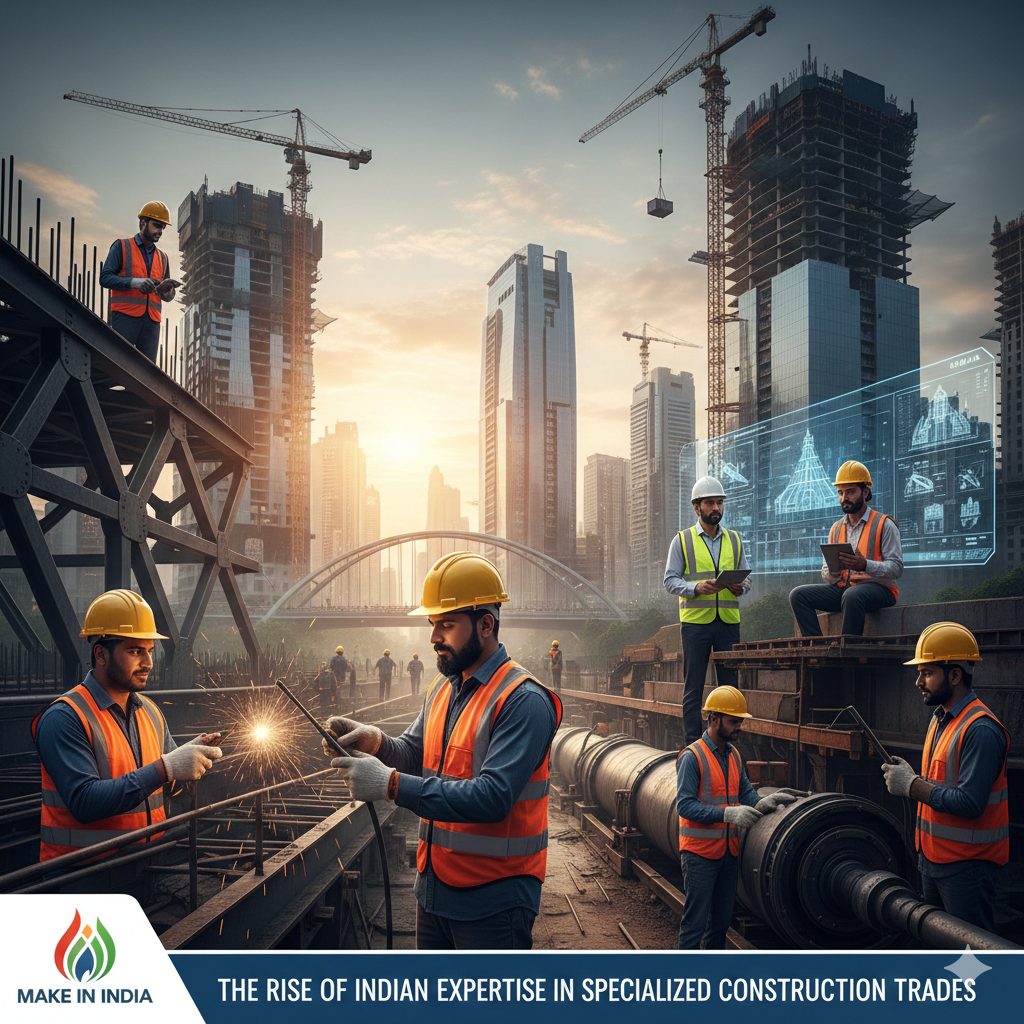
Indian construction workers are known not just for general labor but for advanced and specialized skills. These include welding, electrical systems, HVAC work, scaffolding, tile fixing, marble work, and steel fabrication. Such expertise is in extremely high demand in Europe, where many countries are expanding their industries and upgrading old infrastructure.
What sets Indian workers apart is the depth of hands-on experience they carry. Most have worked on demanding projects—factories, high-rises, airports, bridges, and more. They are accustomed to complex requirements and precision-based work. This makes them ideal for Europe’s high-standard construction practices.
Europe is especially dependent on workers trained in specialized safety systems. Indian workers, who undergo rigorous safety training, including equipment handling, fall protection, and site hazard awareness, bring immense value to these roles. Their certifications often match or exceed European safety standards.
This rise in specialized skills is what makes Indian workers more than just laborers—they are technicians, craftsmen, and experts who elevate project quality. Their contributions in specialized roles ensure that Europe’s most technical projects run smoothly and efficiently.
Benefits of Hiring Skilled Construction Workers from India for European Projects

Hiring skilled construction workers from India has become one of the smartest decisions for European construction companies. The benefits extend far beyond cost savings—although affordability is definitely part of the appeal. The real value comes from the combination of expertise, work ethic, reliability, and adaptability that Indian workers consistently bring to job sites across Europe.
One of the biggest advantages is productivity. Indian workers are known for their disciplined approach to tasks and their ability to complete work within deadlines. Many construction firms have reported that Indian workers often take less time to adapt to work schedules, safety procedures, and new tools compared to other international hires. This makes them extremely valuable in fast-moving and time-sensitive projects, especially large infrastructure initiatives that cannot afford delays.
Another major benefit is their strong technical foundation. From bricklaying and carpentry to electrical work and welding, Indian tradespeople receive hands-on training and practical exposure before they even leave their home country. This means they arrive ready to work, already familiar with industry-grade equipment, construction materials, and standard building practices. Their training gives them an impressive level of accuracy and consistency, leading to higher-quality work on European construction sites.
Indian workers are also known for their positive attitude and teamwork skills. They integrate well into multicultural teams, follow instructions carefully, and maintain respect for site supervisors and managers. This smooth integration reduces communication issues and makes collaboration easier, boosting overall efficiency across the site.
Cost-effectiveness remains another strong benefit. While wages in Europe are significantly higher than those in India, Indian workers offer competitive labor rates compared to other international workforce sources. This helps construction companies control budgets without compromising on skill or quality.
Finally, the reliability of Indian workers is unmatched. Their dedication, loyalty, and long-term commitment help companies maintain stability. With lower attrition rates, fewer absenteeism issues, and a strong sense of responsibility, Indian construction workers have earned a solid reputation in Europe as dependable professionals who contribute to the success of every project they join.
High Productivity and Strong Work Ethic of Indian Workers
The high productivity and strong work ethic of Indian construction workers play a major role in why they are so sought-after in Europe. Productivity isn’t just about speed—it’s about consistency, focus, and delivering results without compromising quality. Indian workers have built a global reputation for exactly these qualities.
The foundation of this strong work ethic comes from their upbringing and early exposure to hard work. Many Indian workers come from communities where construction, craftsmanship, and technical trades are common career paths. They develop hands-on skills from a young age and carry that experience into their professional training. This background instills discipline, patience, and a deep respect for craftsmanship.
When they reach European construction sites, the difference becomes clear immediately. Indian workers show exceptional punctuality and dedication to their assigned tasks. They take work responsibilities seriously and often go beyond expectations to ensure tasks are completed on time. Their ability to work efficiently under pressure makes them invaluable on large projects with strict deadlines.
Another reason their productivity is so high is their ability to adapt to different working conditions. Whether it’s cold climates, new tools, or advanced construction equipment, Indian workers adjust quickly. Their willingness to learn and apply new techniques increases overall efficiency across the job site.
Teamwork also contributes greatly to their productivity. Indian workers cooperate well with diverse teams, maintain clear communication, and follow project instructions with precision. This reduces confusion and ensures smooth coordination among teams working on different parts of a project.
Supervisors often praise Indian workers for their reliability. They arrive consistently, complete tasks on time, and rarely need repeated instructions. Their strong sense of responsibility and pride in their work makes them exceptionally productive employees who elevate the performance of the entire workforce.
Cost-Effectiveness of Employing Skilled Indian Construction Labor
Cost-effectiveness is one of the most powerful reasons Europe continues to hire skilled construction workers from India. While Europe offers higher wages compared to India, the cost of hiring Indian workers remains significantly lower than hiring equally skilled workers from many other regions. This allows European companies to manage project budgets more effectively while still ensuring high-quality output.
The cost advantage starts with the training background of Indian workers. Their education and skill development happen before they enter the European workforce, saving employers from having to spend huge amounts on additional training. Most Indian workers already hold trade certifications, technical diplomas, or vocational training that align with European standards, reducing onboarding expenses.
Furthermore, Indian workers typically commit to long-term projects. This reduces turnover-related costs such as repeated recruitment, training, and administrative paperwork. Higher retention means a stable workforce, fewer interruptions, and more predictable financial planning for construction companies.
The productivity factor also contributes to cost savings. Because Indian workers complete tasks efficiently and maintain steady progress, project delays are minimized. Every day saved on a construction site translates into saved labor hours, reduced equipment rental costs, and timely project completion—something European developers value immensely.
Additionally, Indian workers bring multi-skilled capabilities, meaning one worker can handle multiple tasks effectively. This versatility reduces the need for hiring additional personnel, saving money on wages and overhead expenses.
The combination of high skill, strong work ethic, and cost efficiency makes Indian workers one of the most financially viable labor sources for Europe’s construction industry. The decision is not just about affordability—it’s about getting maximum value for every euro spent, and Indian workers deliver exactly that.
Multilingual Abilities and Quick Adaptability of Indian Workers

One of the underrated yet highly valuable strengths of Indian construction workers is their multilingual ability and quick adaptability. Europe is a continent with diverse languages, cultures, work environments, and site-specific requirements. For many international workers, adjusting to these different settings can be challenging. However, Indian workers have shown remarkable ease in adapting to new languages and working styles, making them an ideal choice for European employers.
Many Indian workers come from a multilingual background. India itself has dozens of widely spoken languages, and most workers grow up learning two or three languages simultaneously. This natural exposure makes it easier for them to grasp new languages quickly, especially English, which is widely taught across the country. As a result, communication barriers on European construction sites are significantly reduced when hiring Indian workers.
Another factor that supports their adaptability is their strong willingness to learn. Whether it’s adjusting to new safety protocols, understanding different measurement units, or learning country-specific building codes, Indian workers show a high level of enthusiasm and commitment. This attitude reduces the training burden on employers and speeds up the integration process.
Cultural flexibility is another major reason Indian workers adapt so well. They are known for being respectful, cooperative, and open-minded. These qualities help them blend seamlessly into multinational teams where teamwork and communication are essential. European supervisors often note that Indian workers follow instructions carefully, avoid conflicts, and maintain a positive workplace environment.
Physical adaptability also plays a role. European construction sites can involve colder climates, different weather conditions, and varying job demands. Indian workers adjust to these changes quickly, demonstrating resilience and consistency throughout their workdays.
Overall, their multilingual capabilities and adaptability make Indian construction workers a valuable asset on any site. They not only fit into European work structures smoothly but also enhance productivity and team cooperation, contributing significantly to the successful completion of construction projects across the continent.
How Indian Construction Workers Strengthen European Infrastructure Projects
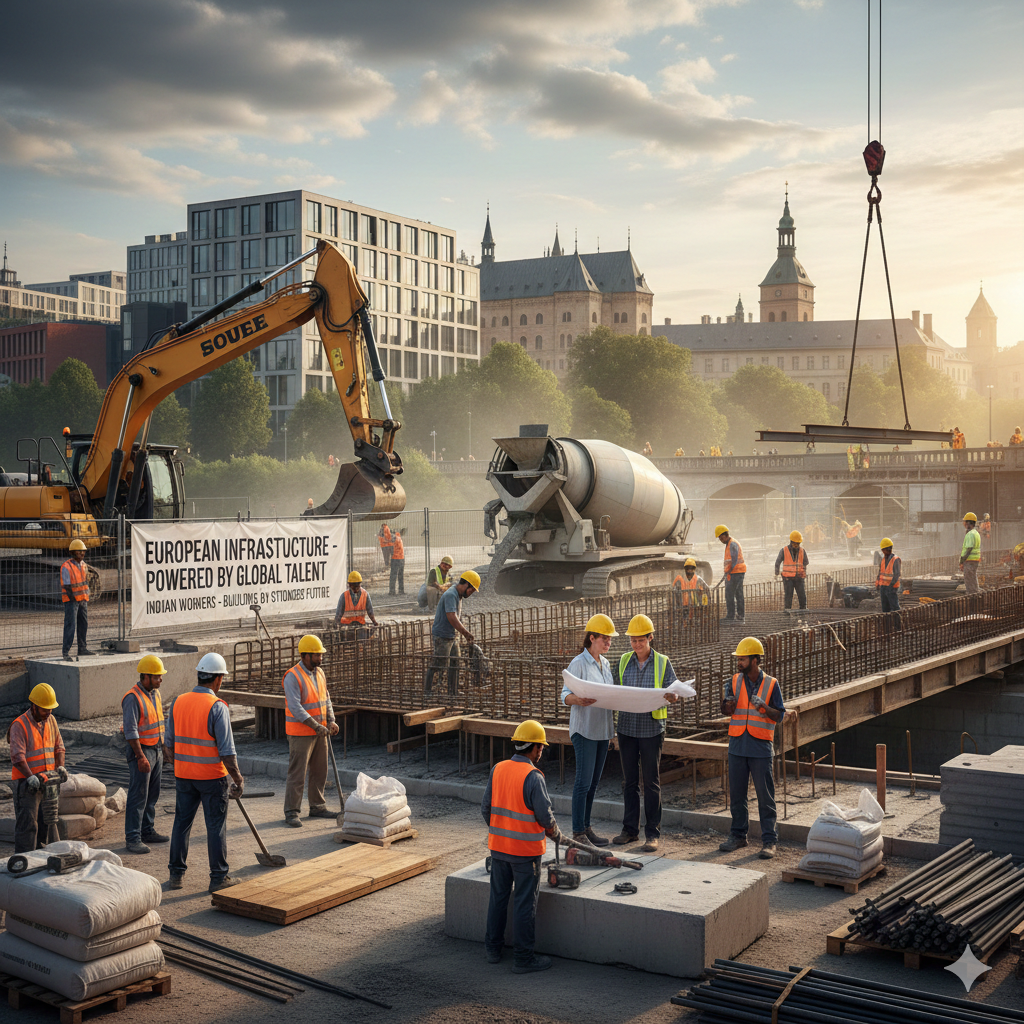
Indian construction workers play a crucial role in strengthening European infrastructure projects, contributing both their skills and dedication to some of the most important developments across the continent. From modern housing complexes and commercial buildings to large-scale transportation networks and public utilities, Indian workers are present in almost every major sector of European construction.
One of the biggest reasons for their impact is their hands-on expertise in handling technically challenging tasks. Whether it’s concrete work, steel reinforcement, tiling, electrical systems, pipe installation, or scaffolding assembly, Indian workers bring extensive experience from similar projects back home. Their skillsets align perfectly with Europe’s growing need for precision-driven construction work.
Infrastructure projects in Europe often operate under tight deadlines, high safety standards, and strict regulations. Indian workers’ commitment to discipline and compliance helps keep projects on schedule and ensures that international safety standards are consistently met. This reliability has made Indian workers some of the most trusted members of Europe’s construction teams.
Additionally, Indian workers are often placed into roles that require physical endurance and consistent focus. Tasks such as road construction, bridge assembly, track installation, and heavy landscaping demand strength, resilience, and long working hours. Indian workers meet these demands head-on, helping maintain momentum in infrastructure development even during challenging phases.
Their ability to work with modern construction technologies also strengthens European infrastructure. Many infrastructure sites now rely on digital measuring tools, laser leveling systems, automated machinery, and energy-efficient building techniques. Indian workers adapt quickly to these tools, increasing efficiency and reducing costly errors.
Another major contribution is their role in smoothing workforce shortages. Without Indian workers, many European infrastructure projects would stall or slow down significantly due to a lack of skilled labor. Their presence keeps projects moving forward steadily, preventing delays and helping Europe meet its modernization goals.
In summary, Indian construction workers do much more than fill vacancies—they enhance quality, speed, safety, and technological readiness, making them indispensable to Europe’s infrastructure growth.
Contributions to Large-Scale Residential and Commercial Construction
Indian construction workers have made remarkable contributions to Europe’s residential and commercial construction sector, supporting everything from modern apartment complexes and luxury villas to high-rise office buildings and large shopping centers. Their involvement has helped Europe meet the growing demand for housing and commercial expansion, which has surged due to population growth, urbanization, and business development.
One of the main strengths Indian workers bring is their expertise in fundamental building trades. Whether it’s bricklaying, plastering, tiling, flooring, or roofing, they carry years of experience that directly contribute to strong building foundations and high-quality finishes. Their attention to detail ensures that residential structures are durable, safe, and aesthetically pleasing.
In commercial construction, Indian workers play key roles in complex tasks such as electrical wiring, HVAC installation, plumbing networks, drywall installation, and steel structure fabrication. These tasks require technical accuracy and hands-on knowledge—areas in which Indian workers consistently excel. Their precision reduces the risk of structural issues and minimizes the need for rework, saving time and money.
Their teamwork and coordination skills also boost overall efficiency. Large building projects require synchronized efforts among different trades. Indian workers are known for communicating effectively, adapting quickly to project changes, and maintaining harmony with mixed-nationality crews. This adds fluidity to the construction process, keeping projects on schedule.
Another significant contribution comes from their ability to work in varying construction styles. European residential and commercial buildings often follow specific architectural designs, advanced insulation systems, and modern finishing trends. Indian workers master these techniques rapidly, delivering work that meets European industry standards.
Finally, their dependability and dedication ensure stability within the workforce. Residential and commercial projects often span months or even years. Indian workers stay committed to their contracts, reducing turnover and giving companies the reliability needed to maintain consistent progress.
Their combined contributions make Indian workers a driving force behind Europe’s expanding real estate landscape.
Indian Talent in Roads, Bridges, Railways, and Public Infrastructure
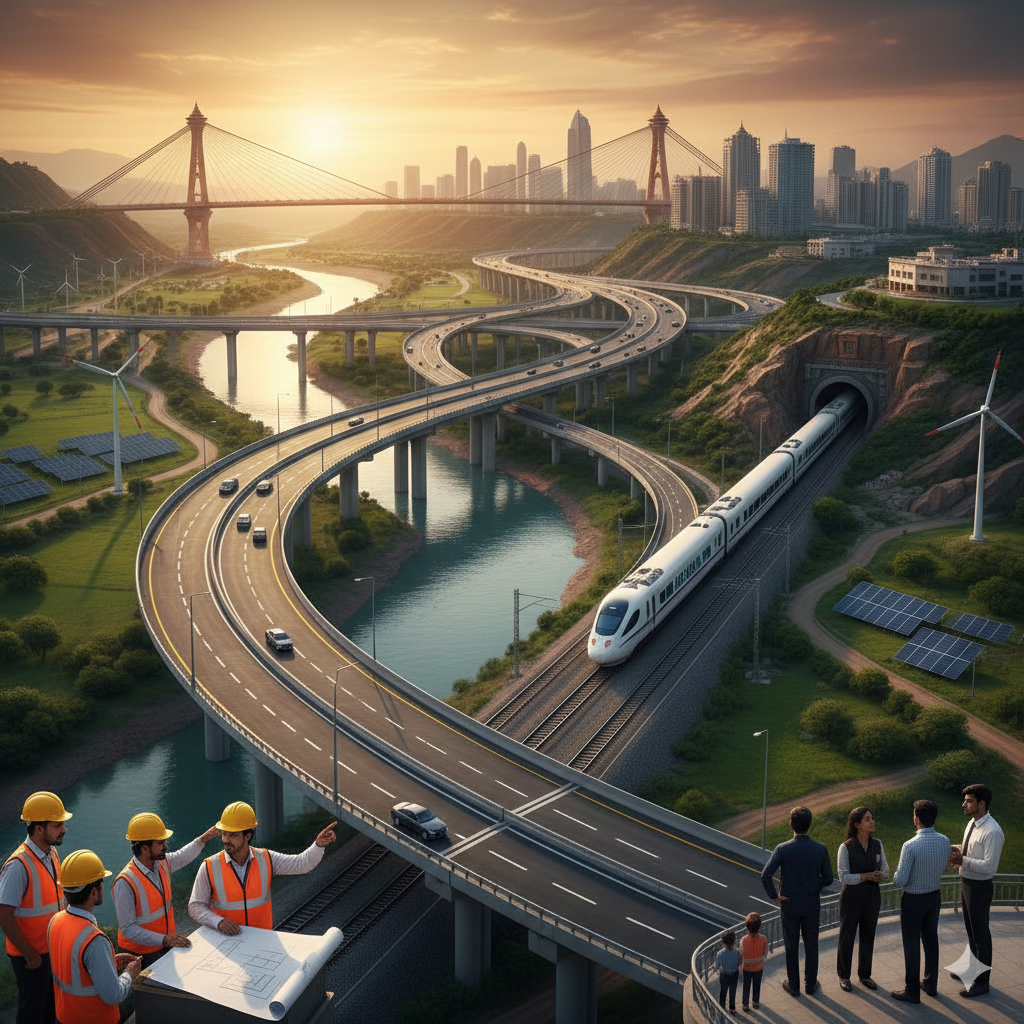
Indian construction workers have become essential contributors to Europe’s public infrastructure development, particularly in the construction and maintenance of roads, bridges, highways, tunnels, and railway networks. These large-scale projects require precision, technical knowledge, and intense physical effort—qualities that Indian workers consistently bring to the job. Their involvement has helped Europe accelerate essential infrastructure upgrades, many of which are critical for economic growth and public transportation efficiency.
One of the strongest areas where Indian workers excel is road construction. Tasks such as asphalt laying, pavement installation, drainage setup, and road marking require both skill and stamina. Indian workers, with years of experience working in demanding environments, adapt quickly to European standards and machinery. This ensures smoother project execution and timely completion, reducing traffic disruption and improving urban connectivity.
In bridge construction, Indian workers contribute significantly through steel reinforcement work, formwork installation, concrete pouring, and welding. These tasks are highly technical and require detailed knowledge of structural integrity and safety protocols. Indian workers’ strong foundation in these trades makes them dependable members of bridge-building teams, where even a small error can have major consequences.
Railway construction is another field where Indian workers shine. Europe continuously upgrades its rail systems, including track laying, sleeper installation, signal setup, tunnel maintenance, and modernization of old railway lines. Indian workers’ experience with similar large-scale railway projects helps them transition seamlessly into these roles. Their ability to work long hours in challenging conditions ensures consistent progress and reduces delays in public transportation projects.
Public infrastructure, such as tunnels, drainage systems, pedestrian walkways, and utility networks, also benefits from Indian expertise. These projects demand strict adherence to safety guidelines, technical precision, and the ability to operate modern machinery. Indian workers meet these requirements with dedication and professionalism, often exceeding employer expectations.
Overall, Indian workers are not just filling labor shortages—they are strengthening the backbone of European public infrastructure, contributing skills that keep cities and communities functioning smoothly.
Indian Workers in Modern Construction Technologies and Machinery
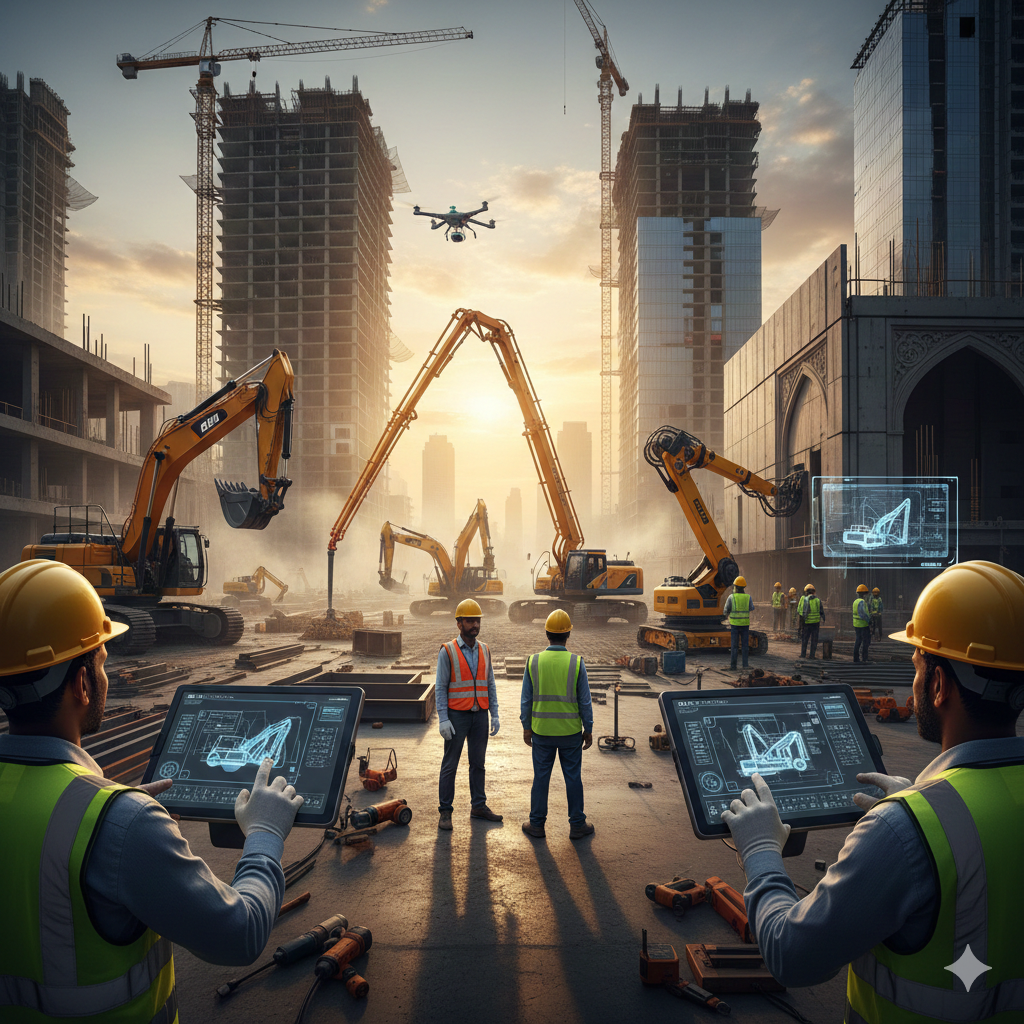
Modern construction increasingly relies on advanced technologies, digital tools, and heavy machinery to meet high-quality standards and fast delivery timelines. Indian construction workers have proven highly competent in using these modern solutions, making them even more valuable in Europe’s technologically evolving construction sector.
Many Indian workers are trained in operating sophisticated machinery such as excavators, bulldozers, cranes, loaders, concrete pumps, and compactors. Their familiarity with these machines allows companies to run sites more efficiently without spending weeks on specialized training. This readiness to operate heavy equipment reduces delays and maximizes productivity on construction sites, especially on large-scale infrastructure projects.
In addition to machinery operation, Indian workers are quick learners when it comes to new construction technologies. Digital measuring tools, automated concrete mixers, laser leveling instruments, and smart scaffolding systems are becoming standard across Europe. Indian workers adapt rapidly to these technologies, often mastering them within days due to their strong technical foundation and eagerness to learn.
Their comfort with technology also extends to software-assisted tasks such as digital blueprint interpretation, quantity estimation tools, and site management applications. Even those who may not have been exposed to such systems previously quickly grasp their functionality through hands-on training and continuous practice.
Another important area where Indian workers excel is energy-efficient and green construction technologies. Europe is rapidly moving toward sustainable building practices, including solar installations, thermal insulation, rainwater harvesting systems, and eco-friendly materials. Indian workers, who have experience with similar eco-friendly techniques in various environments, adapt well to these specialized requirements.
Modern construction sites rely heavily on teamwork between human labor and machines. Indian workers maintain a perfect balance by operating machinery safely while coordinating seamlessly with manual teams. Their training in safety protocols, machine maintenance, and equipment troubleshooting ensures smooth daily operations.
Ultimately, Indian workers are playing a crucial role in Europe’s shift toward modern, technology-driven construction. Their readiness to learn and ability to perform both traditional and modern tasks make them indispensable assets in the evolving construction landscape.
Training and Certifications of Skilled Construction Workers from India
Indian construction workers stand out in Europe largely due to their strong training background and industry-recognized certifications. India has a well-organized vocational training ecosystem that prepares workers for international construction standards. Many workers come from technical institutes, skill development centers, and government-backed training programs that emphasize hands-on practice and safety awareness.
These training centers often follow curricula that align closely with global construction requirements. Workers are taught everything from blueprint reading, measurement accuracy, and tool handling to electrical wiring, welding techniques, plumbing systems, and concrete technology. Because the training is practical and intensive, workers gain experience before they even step onto a European job site.
Safety training is one of the strongest pillars of Indian construction education. Workers undergo rigorous instruction on site safety rules, machinery operation protocols, hazard identification, and emergency response. This makes them highly reliable in Europe, where safety compliance is non-negotiable. Supervisors appreciate that Indian workers take safety seriously, reducing onsite accidents and improving overall productivity.
Certifications further enhance their credibility. Many Indian workers obtain trade-specific certificates in masonry, carpentry, electrical work, plumbing, welding, and heavy equipment operation. These certifications give European employers confidence that workers meet the required skill level and have verified technical backgrounds.
Additionally, workers often receive soft skill training such as communication, teamwork, and problem-solving. These skills play a vital role in ensuring smooth collaboration on multinational job sites, where effective coordination is essential.
The combination of hands-on training, technical expertise, and industry-recognized certifications makes Indian construction workers exceptionally well-prepared for Europe’s demanding construction environment. Their training ensures that they not only meet European expectations but exceed them with consistency and professionalism.
Technical Training Standards That Match European Requirements
One of the strongest reasons Europe prefers hiring skilled construction workers from India is the impressive alignment between Indian technical training standards and European construction requirements. Over the years, India has developed a robust vocational education system designed to prepare workers for global industries. These institutions focus on practical skills, safety, and trade-specific techniques that directly match the needs of modern construction environments in Europe.
India’s technical training centers often follow competency-based programs that emphasize real-world skills. Workers undergo hands-on training in brickwork, plastering, carpentry, scaffolding, welding, electrical systems, plumbing, and equipment handling. This practical exposure ensures that workers gain confidence and problem-solving abilities before they ever step into a foreign job site.
Another important factor is that many Indian training institutions collaborate with international industry bodies to standardize their courses. This ensures that the training workers receive is aligned with global construction expectations, including technical accuracy, safety compliance, and quality standards. As a result, Indian workers arrive in Europe prepared, reducing the need for expensive retraining or long adjustment periods.
Safety training is a particularly strong area where Indian programs excel. Workers are taught to follow systematic safety procedures such as using personal protective equipment (PPE), monitoring site hazards, and adhering to best practices for operating tools and machinery. These safety standards match Europe’s strict regulatory requirements, making Indian workers more dependable and trusted on job sites.
Additionally, Indian workers receive training on modern construction methods such as formwork systems, modular construction, and advanced concrete technologies. This puts them on par with European workers who operate in technologically advanced construction environments.
Because of this level of preparedness, European employers feel confident hiring Indian workers without hesitation. Their training background gives them a competitive edge, making them one of the most reliable international workforces for Europe’s evolving construction industry.
Popular Construction Skills Among Indian Workers in Europe
Indian construction workers bring a wide range of highly valuable skills to Europe, making them indispensable in numerous construction sectors. Over the years, certain trades have become especially popular due to high demand and the exceptional performance of Indian workers in these fields.
One of the most sought-after skills is masonry. Indian masons are known for their precision in bricklaying, plastering, block work, and finishing work. Their attention to detail ensures strong structural integrity and aesthetically pleasing results—qualities that European construction companies prioritize.
Carpentry is another trade where Indian workers excel. They are skilled in framework construction, roofing, door and window installation, partition creation, and wood finishing. Their versatility allows them to contribute to both residential and commercial projects with ease.
Electrical work is also a popular skill among Indian workers. Many electricians from India have formal training and experience in wiring, panel installation, conduit work, and energy-efficient electrical systems. Their technical accuracy and safety awareness make them reliable hires for European companies.
Plumbing is another high-demand trade. Indian plumbers are proficient in pipefitting, drainage systems, water supply networks, sanitation systems, and leak detection. Their experience ensures proper installation and long-term durability—critical for residential and commercial structures.
Welding and metal fabrication are also areas where Indian workers stand out. Their expertise in MIG, TIG, and arc welding, along with metal cutting and shaping, is essential for steel structures, bridges, and industrial construction.
Beyond these trades, Indian workers are skilled in tiling, painting, HVAC installation, scaffolding, shuttering, concrete work, and equipment operation. Their diversity of skills allows European construction companies to build well-rounded teams capable of handling complex tasks and tight deadlines.
This wide skill set, combined with strong work ethics and adaptability, makes Indian workers some of the most valued employees across Europe’s construction sector.
Safety Training and Compliance Knowledge of Indian Construction Talent
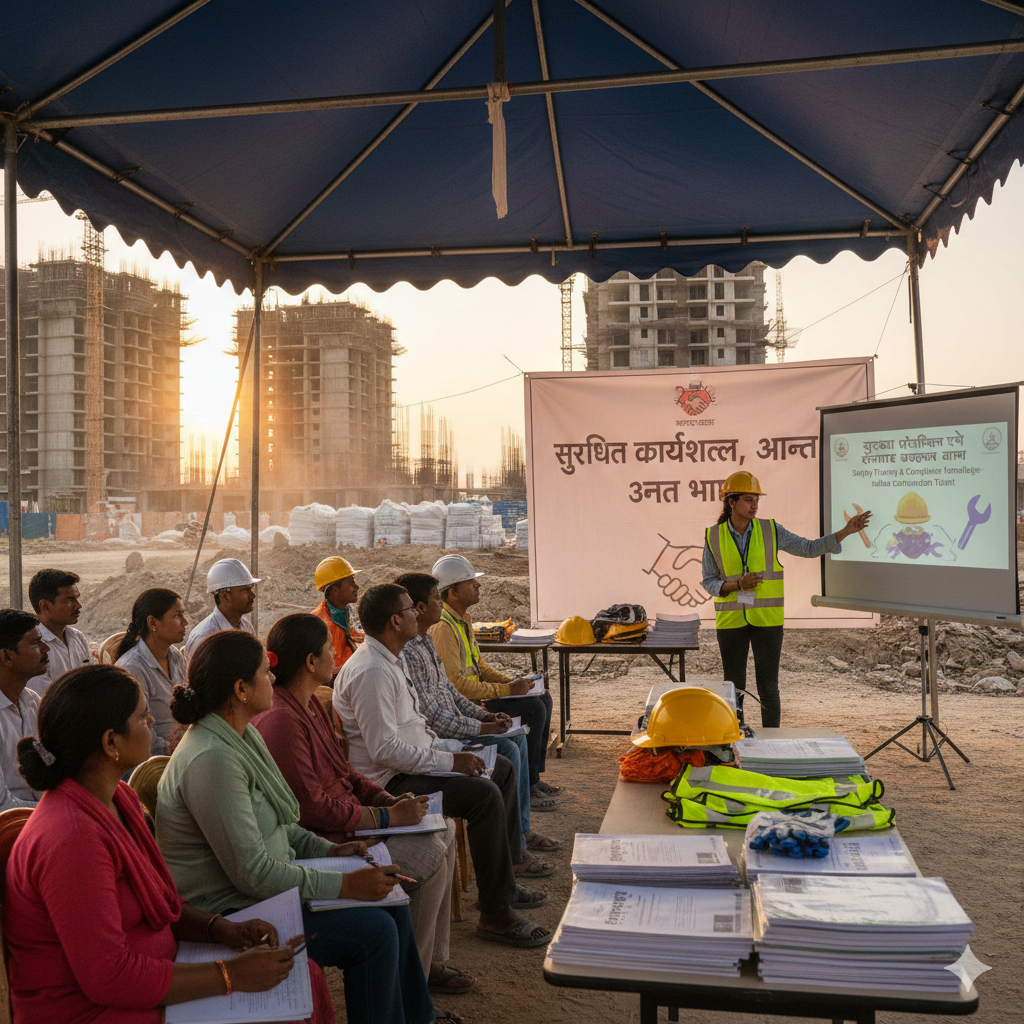
Safety is a top priority in European construction sites, where strict regulations and compliance standards must be followed without compromise. One of the main reasons Indian construction workers are highly preferred is their strong background in safety training and compliance knowledge, which aligns well with Europe’s rigorous safety expectations.
In India, construction workers undergo extensive training on workplace safety before they are considered eligible for overseas employment. These programs cover essential safety practices such as wearing PPE, handling hazardous materials, recognizing site risks, and following emergency protocols. Workers learn about fall protection, electrical safety, scaffolding safety, machine operation guidelines, and first-aid procedures.
Many workers also earn additional safety certifications such as fire safety training, confined space training, and equipment-specific safety courses. These certifications reassure European employers that the workers are competent and compliant with international safety standards.
Indian workers are also trained to follow structured reporting procedures. They know how to identify hazards, report unsafe conditions, and cooperate with site safety officers. This proactive approach helps prevent accidents and maintain smooth daily operations on European sites.
Additionally, Indian workers take safety rules seriously. They understand the importance of creating a hazard-free environment not just for themselves, but for the entire team. Their disciplined attitude ensures that safety remains a priority throughout the project.
Another advantage is their ability to quickly learn and adapt to country-specific safety guidelines. Whether it’s new equipment instructions, updated protocols, or advanced safety systems, Indian workers adopt these changes quickly and continue working efficiently.
Their strong commitment to safety reduces the risk of workplace accidents, enhances overall productivity, and builds trust with employers. This makes Indian workers an essential part of Europe’s construction workforce, especially in high-risk or high-precision environments.
Why European Employers Prefer Indian Construction Workers Over Other Countries
European employers increasingly prefer Indian construction workers over workers from many other regions due to a combination of technical expertise, dependability, strong work ethic, and cultural compatibility. While several countries supply international labor, Indian workers consistently stand out because they offer a balance of skill, professionalism, and adaptability that aligns perfectly with Europe’s construction needs.
One major reason for this preference is the solid training foundation that Indian workers receive. Their vocational programs are known for being practical and industry-focused, ensuring that workers gain hands-on experience before entering the European job market. Employers appreciate how quickly Indian workers understand blueprints, operate tools, and meet quality standards without requiring excessive retraining.
Another factor is reliability. European companies frequently report that Indian workers demonstrate exceptional dedication to their roles. They show up on time, follow instructions carefully, and complete assignments with consistency. Their strong sense of responsibility makes them valuable members of project teams.
Cultural compatibility also plays a significant role. Indian workers are known for being respectful, cooperative, and team-oriented. They adapt well to multicultural environments and maintain a positive attitude even under stressful conditions. This reduces conflicts and improves synergy among multinational teams on construction sites.
Additionally, European employers prefer the long-term commitment shown by Indian workers. Many Indian workers sign multi-year contracts and remain loyal to their employers. This reduces turnover, which is a major challenge in Europe’s construction sector. A stable workforce helps companies maintain productivity and complete projects on schedule.
Flexibility is another key factor. Indian workers adjust easily to new environments, weather conditions, and advanced construction techniques. Whether it’s modern machinery, digital tools, or energy-efficient building methods, they learn quickly and apply new knowledge without hesitation.
Overall, European employers prefer Indian workers not simply because they fill workforce shortages, but because they enhance the overall quality, efficiency, and stability of construction projects. Their consistent performance makes them one of the most trusted and respected international labor sources across Europe.
Consistency, Reliability, and Cultural Compatibility
Consistency, reliability, and cultural compatibility are three qualities that define the success of Indian construction workers in Europe. These attributes set them apart from many other international labor sources and form the backbone of their reputation across European construction sites.
Consistency is one of the strongest traits Indian workers are known for. Employers often highlight how Indian workers maintain steady performance from the start of a project until its completion. Whether tasks involve heavy lifting, precision work, or long hours, Indian workers handle them with dedication. Their ability to maintain stable productivity levels helps construction companies meet deadlines and avoid unnecessary delays.
Reliability goes hand in hand with consistency. Indian workers are dependable—they show up on time, rarely miss shifts, and complete their responsibilities without constant supervision. This reliability builds trust between employers and employees, which is critical in construction environments where every team member’s contribution influences the project’s success.
Cultural compatibility is another reason Indian workers integrate so smoothly into European teams. India’s cultural values emphasize respect for authority, teamwork, discipline, and cooperation—all qualities that European employers appreciate. Indian workers do not shy away from taking instructions, and they maintain a harmonious attitude on site, reducing interpersonal conflicts and improving team dynamics.
Furthermore, India’s multicultural society prepares workers to operate comfortably in diverse environments. When they work in Europe, interacting with colleagues from different countries feels natural, helping them adjust faster. Their polite communication style and strong willingness to collaborate make them ideal team players in multinational workforces.
Another aspect of cultural compatibility is the importance Indian workers place on long-term employment stability. Many workers prioritize steady income and career growth over frequent job changes. This creates a mutually beneficial relationship where employers can rely on them for extended periods.
These three qualities—consistency, reliability, and cultural harmony—make Indian workers invaluable assets in Europe’s construction sector, helping ensure not only project success but also smooth workplace operations.
Long-Term Commitment and Low Attrition Rates of Indian Workers
One of the most valued characteristics of Indian construction workers in Europe is their long-term commitment. European employers frequently struggle with workforce instability due to high turnover, especially in physically demanding industries like construction. However, Indian workers offer stability through their dedication to long-term contracts and consistent employment.
Many Indian workers view overseas construction jobs as a major opportunity to support their families and build stronger financial futures. Because of this, they prefer staying with the same employer for extended periods rather than switching jobs frequently. This commitment reduces turnover rates dramatically—a benefit that European companies highly appreciate.
Low attrition rates create a more stable workforce, which is essential for large construction projects that can span several months or even years. When workers remain with the same employer for the duration of the project, teams function more efficiently. There is less need for retraining, fewer onboarding delays, and a stronger sense of unity among workers.
Long-term commitment also contributes to higher productivity. Workers who stay longer become familiar with company procedures, tools, and expectations. They develop trust with supervisors and collaborate more effectively with coworkers. This results in faster work completion, better quality, and fewer errors.
Additionally, Indian workers’ loyalty helps reduce recruitment costs. Hiring and training new workers repeatedly can be expensive. When workers remain committed long-term, companies save money and can focus more on project execution rather than continuous hiring cycles.
This dedication also benefits workers, allowing them to grow their careers, adapt to European standards, and improve their skills over time. It becomes a mutually beneficial relationship where employers gain reliable labor, and workers gain steady employment and financial stability.
The combination of loyalty, commitment, and stability makes Indian construction workers some of the most trusted and dependable employees in Europe’s construction sector.
The Migration Trend of Skilled Construction Workers from India to Europe
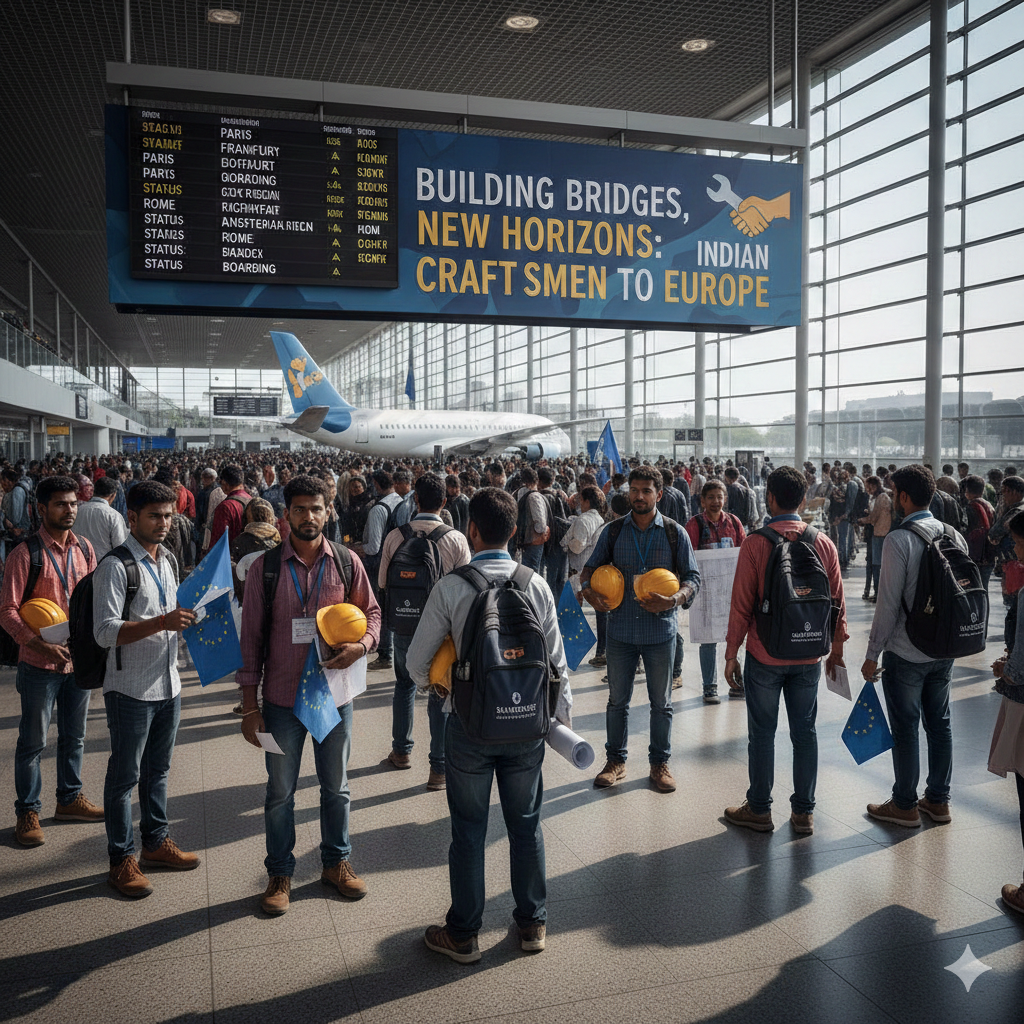
The migration trend of skilled construction workers from India to Europe has grown rapidly over the past decade, fueled by strong demand, attractive employment opportunities, and long-term job stability abroad. Europe’s expanding infrastructure needs and aging workforce have created a massive gap in the construction sector—a gap that Indian workers are increasingly filling with skill, dedication, and professionalism. This movement is not just a temporary shift but a long-term trend that is reshaping the labor market across Europe.
One of the primary reasons behind this trend is the rise in European countries actively seeking international labor. Many nations face worker shortages due to declining birth rates, aging populations, and a lack of interest among local youth in construction-related careers. This shortage has led governments to relax certain visa pathways and simplify recruitment procedures, making Europe more accessible for skilled workers from India.
For Indian workers, Europe offers several appealing advantages. Salaries are significantly higher than what they can typically earn in India or neighboring regions, allowing them to support their families better and secure long-term financial stability. Moreover, European work environments are known for fairness, safety, and legal protections—factors that workers deeply value.
Another important element driving this migration trend is the professionalism and reputation Indian workers have earned abroad. European employers appreciate their strong work ethic, technical skills, and ability to adapt quickly. As word spreads, more companies actively seek Indian talent, and more Indian workers pursue opportunities in Europe.
Additionally, the construction boom across Europe, especially in housing, transportation, renewable energy, and commercial developments, continues to create thousands of new jobs. Skilled workers from India are stepping in to fill these roles, solidifying their presence across the continent.
This migration trend benefits both sides. Europe gains reliable and skilled labor to sustain its development needs, while Indian workers gain valuable international exposure and stable, well-paying jobs. As the demand continues to rise, the migration of Indian construction workers is expected to grow even stronger in the coming years.
Why Europe Is Becoming a Preferred Destination
Europe has steadily become one of the preferred destinations for skilled construction workers from india, and the reasons behind this shift are both practical and rewarding. Unlike many other regions, Europe offers a combination of stable job markets, safer working conditions, competitive salaries, and long-term growth opportunities—all of which appeal strongly to Indian workers aiming to improve their livelihoods and build sustainable careers.
One of the biggest attractions is salary. European countries pay considerably higher wages compared to many other regions hiring foreign labor. Even entry-level construction workers can earn significantly more in Europe, enabling them to support their families, invest in their future, and achieve financial goals faster.
Additionally, Europe is known for maintaining excellent labor laws and worker protection policies. These regulations ensure fair treatment, reasonable working hours, timely payments, proper accommodations, and safe working conditions. Indian workers value this level of professionalism and security, which is often not guaranteed in other job markets.
Europe’s work culture is another major advantage. The continent emphasizes discipline, teamwork, punctuality, and respect—values that align closely with Indian cultural norms. This compatibility allows Indian workers to adapt quickly and feel comfortable in their new environments, making the transition smoother and more welcoming.
Job stability is yet another reason Europe has become popular. With long-term construction projects such as transport networks, smart cities, housing expansions, and energy infrastructure development, European employers often offer multi-year contracts. This kind of security is incredibly appealing for workers looking for consistent income and long-term international exposure.
Europe’s quality of life also plays a significant role. Clean cities, public amenities, healthcare access, and overall safety make Europe an attractive place to work and live. Many workers send remittances home while also improving their own standards of living in foreign countries.
Together, these factors—high wages, strong safety standards, stable job opportunities, and cultural compatibility—make Europe a top destination for Indian construction professionals seeking rewarding and sustainable employment abroad.
How Indian Workers Benefit from European Work Culture and Pay Scales
Indian construction workers greatly benefit from European work culture and pay scales, which offer a level of structure, fairness, and opportunity that enhances both their professional and personal lives. Europe’s approach to labor management is built on respect, safety, and compliance with strong labor laws—creating a supportive environment where workers can learn, grow, and thrive.
One of the key advantages is the salary structure. European pay scales are significantly higher than what workers typically earn in India or other overseas destinations. This increased income allows workers to support their families, pay off debts, improve living conditions, and even invest in long-term goals such as education, property, and business ventures. Many workers see Europe as a path to financial transformation.
Beyond salary, Indian workers also benefit from Europe’s professional work culture. Construction sites in Europe are highly organized, with clear roles, proper work schedules, and systematic procedures. Workers are given proper breaks, safety equipment, and protective gear. This structured environment not only enhances productivity but also ensures workers stay healthy and motivated.
Europe also places a strong emphasis on employee training and upskilling. Many employers offer additional workshops, safety courses, and technical training that allow workers to enhance their skills. This exposure benefits Indian workers significantly, as they return home with improved knowledge—or continue progressing in European job markets.
The respect for workers’ rights also creates a healthy work environment. Indian workers appreciate the fact that they are treated fairly, paid on time, and provided with proper accommodations. This positive treatment boosts morale and encourages long-term commitment.
Furthermore, Indian workers benefit from multicultural exposure. Working with colleagues from various countries broadens their professional experience and helps them develop communication and teamwork skills that are valuable in any future employment.
Overall, Europe’s work culture and pay scales empower Indian construction workers to improve their careers, financial stability, and quality of life, making Europe a rewarding destination for skilled professionals.
Economic Impact of Indian Construction Workers in Europe
Indian construction workers play a significant role in strengthening Europe’s economy by filling critical labor gaps, accelerating project timelines, and enhancing productivity in the construction sector. Their contributions go far beyond manpower—they help stabilize industries, reduce project costs, and support national development goals. In many European countries, the presence of skilled Indian workers has become essential for sustaining economic growth.
One of the biggest economic benefits comes from preventing construction delays. Europe faces an ongoing shortage of skilled local workers due to aging populations and declining interest in manual trades. Without Indian workers stepping in, many infrastructure and housing projects would slow down or even come to a halt. By ensuring steady progress on construction sites, Indian workers help keep national development plans on track, which positively influences markets, housing availability, and public services.
Another economic advantage is cost efficiency. Because Indian workers bring strong skills and work ethics, companies save money on training, supervision, and rework. Their ability to consistently deliver high-quality work means fewer mistakes and fewer project delays. This efficiency reduces overall construction costs for governments and private developers alike.
Their contribution also stimulates local economies. Workers living in Europe spend money on housing, food, transportation, and local services, which helps boost small businesses and community development. Additionally, timely completion of projects such as roads, bridges, offices, and residential units increases economic activity and supports long-term investment.
Indian workers also support Europe’s shift toward modern construction methods. Their familiarity with new technologies and machinery improves productivity and allows companies to take on more complex and innovative projects. This contributes to Europe’s global competitiveness in smart cities, green construction, and sustainable development.
In short, Indian construction workers are not just employees—they are economic contributors who help Europe grow faster, build better, and stay competitive on the global stage.
Filling Essential Roles That Keep Projects Running Smoothly
Indian construction workers play an essential role in keeping European construction projects running smoothly by filling positions that are otherwise difficult to recruit locally. Whether it’s skilled trades like electrical work, plumbing, masonry, or specialized tasks such as welding and scaffolding, Indian workers bring the expertise that ensures projects stay on schedule and meet quality standards.
One of the most valuable contributions Indian workers make is their ability to step into critical roles immediately. Because they arrive with strong training and practical experience, they require minimal orientation. This allows companies to maintain project momentum without interruptions. Their fast learning ability also means they adapt quickly to new tools, techniques, and regulatory requirements.
Indian workers contribute stability to the workforce—a crucial factor for long-term projects. Construction companies often struggle with frequent turnover, which leads to delays and increased costs. Indian workers, however, typically commit to long-term contracts and show loyalty to their employers. This helps maintain a consistent workflow and reduces management challenges.
Their presence also supports better team coordination. Indian workers are known for their cooperative attitude and respect for hierarchy, making it easier for supervisors to manage site activities. Their communication skills and willingness to collaborate create a smooth working environment that improves overall efficiency.
Furthermore, Indian workers fill roles that require physical endurance and precision—qualities essential in labor-intensive tasks such as concrete work, heavy lifting, equipment operation, and structural installation. These tasks are vital for project success, and Indian workers perform them reliably and consistently.
By filling essential roles, Indian workers enable European companies to meet deadlines, stay within budgets, and deliver high-quality results. Their contribution ensures that construction sites operate like well-oiled machines, without unnecessary downtime or skill shortages.
Future of Hiring Skilled Construction Workers from India in Europe
The future of hiring skilled construction workers from India in Europe looks brighter than ever. As Europe continues to modernize, expand urban developments, and transition toward green infrastructure, the demand for skilled labor is expected to grow significantly. Indian workers, with their expertise, adaptability, and strong work ethic, are perfectly positioned to meet this rising demand.
One major factor shaping the future is Europe’s aging workforce. Millions of skilled workers in construction are set to retire over the next decade, leaving a massive gap that cannot be filled locally. Unless new sources of labor are found, Europe will struggle to complete essential projects. Indian workers will likely become even more important in bridging this gap due to their reliability and strong vocational training.
Another trend is Europe’s increasing focus on green construction and sustainable development. From solar energy projects and wind farms to eco-friendly housing and smart building technologies, Europe is investing heavily in environmental transformation. Indian workers who are trained in energy-efficient systems, modern machinery, and advanced construction tools will be in high demand for these initiatives.
Digitalization is also reshaping the construction landscape. Technologies such as BIM (Building Information Modeling), automated machinery, and digital site management tools are becoming standard. Indian workers, who have shown strong adaptability to modern technologies, will be crucial in helping Europe transition smoothly into the next generation of construction practices.
Furthermore, many European countries are simplifying immigration pathways to attract more skilled labor. With improved visa processes, structured training programs, and integration support, more Indian workers are expected to join Europe’s construction sector.
In the coming years, the partnership between Europe and India in the construction industry will strengthen dramatically. Indian workers will not only continue to fill essential roles but also help shape the future of European construction through skill, dedication, and innovation.
The Role of Indian Workforce in Europe’s Green and Smart Infrastructure Plans
Europe’s shift toward green and smart infrastructure is creating new opportunities—and Indian construction workers are emerging as key contributors to this transformation. As countries work to reduce carbon emissions, upgrade energy systems, and modernize cities, the need for workers skilled in sustainable building techniques is increasing rapidly. Indian workers bring the perfect mix of practical experience, adaptability, and willingness to learn, making them valuable assets for Europe’s eco-friendly future.
One major area where Indian workers contribute is renewable energy construction. Solar panel installation, wind turbine foundations, and energy-efficient building materials require specialized knowledge and precision. Indian workers trained in these emerging technologies play an essential role in helping Europe expand its renewable infrastructure.
Green building projects, such as eco-friendly housing, smart homes, and passive-energy buildings, also rely on skilled labor for insulation, airtight construction, energy-saving systems, and efficient water management. Indian construction workers, who have experience with both modern and traditional building techniques, are well-equipped to meet these requirements.
The push toward smart infrastructure—including digital utility systems, sensor-based monitoring, and technologically integrated building solutions—also requires workers who can operate advanced machinery and tools. Indian workers’ strong adaptability and eagerness to learn new technologies make them ideal participants in Europe’s smart city projects.
Additionally, sustainable construction emphasizes material efficiency, reduced waste, and environmentally friendly practices. Indian workers, trained in international safety and environmental standards, follow these guidelines diligently, contributing to cleaner and more efficient project execution.
As Europe intensifies its commitment to green and smart infrastructure, Indian workers will play an increasingly central role in delivering these future-focused solutions. Their combination of skill, dedication, and adaptability ensures that Europe’s sustainability goals remain achievable and realistic.
Challenges Faced by Skilled Construction Workers from India in Europe
Despite their success and strong demand, Indian construction workers in Europe face a number of challenges. These challenges vary from personal adjustments to structural barriers within the host countries. Understanding these difficulties is essential to improving the overall experience of Indian workers and ensuring a smooth integration process.
One of the most common challenges is language. Although many Indian workers understand basic English, European countries often use local languages like German, French, Italian, or Spanish on construction sites. Learning these languages takes time and can create communication barriers during initial months.
Climate adjustment is another major difficulty. Indian workers coming from warm climates may struggle with Europe’s cold winters, especially in northern regions. Working outdoors in freezing temperatures can be physically demanding and requires time to adapt.
Cultural differences can also create challenges. Social norms, workplace communication styles, and daily routines may differ from what Indian workers are accustomed to. Adjusting to these differences can lead to stress or confusion during the early stages of employment.
Additionally, navigating visa rules and documentation can be complex. Each European country has its own regulations, and small mistakes can slow down or complicate the migration process. Workers often need support to understand contracts, rights, and legal requirements.
Housing arrangements, transportation, and cost of living adjustments also pose challenges. Workers may need time to manage budgeting in new currencies and adapt to local lifestyles.
Despite these obstacles, Indian workers show remarkable resilience. With strong support from employers, proper integration programs, and improved communication channels, these challenges can be minimized, leading to a positive and productive experience for all involved.
How Europe Can Attract More Skilled Construction Workers from India
To attract more skilled construction workers from India, Europe can implement several strategies that make migration smoother, safer, and more appealing. Simplifying visa procedures is one of the most effective steps. Faster processing times, clearer documentation requirements, and transparent pathways for skilled labor would encourage more workers to choose Europe over other destinations.
Providing better pre-arrival information is another important measure. Workers should receive details about living expenses, workplace expectations, cultural norms, and safety rules before arriving. This preparation helps reduce confusion and improves integration.
Offering training and language programs can also make a significant difference. Short-term language courses and skill-bridging programs can help workers adapt more quickly and contribute more effectively to construction projects.
Improving accommodation and transportation support is another strong incentive. Providing safe and comfortable housing, along with accessible transport options, increases job satisfaction and reduces stress.
Finally, ensuring fair wages, timely payments, and strong worker protection policies will help Europe maintain a positive reputation among Indian workers. Creating a transparent and supportive environment will attract more skilled professionals and ensure long-term cooperation between Europe and India in the construction industry.
Conclusion
Europe’s growing demand for skilled construction workers has made Indian professionals one of the most valuable assets in the industry. Their strong technical training, dedication, adaptability, and long-term commitment have transformed construction sites across the continent. From roads and bridges to green energy and smart infrastructure, Indian workers play a central role in shaping Europe’s future.
Their contributions go beyond physical labor—they bring knowledge, reliability, cultural harmony, and a willingness to learn. Europe benefits economically, socially, and structurally from their presence, and the partnership between the two regions is expected to grow even stronger in the years ahead.
FAQs
- Why are Indian construction workers highly preferred in Europe?
Because they are skilled, reliable, adaptable, and trained to match global construction standards. - Do Indian workers easily adapt to European work environments?
Yes, they adjust quickly due to their multilingual backgrounds and strong learning abilities. - What roles do Indian workers commonly fill in Europe?
Masonry, carpentry, plumbing, electrical work, welding, tiling, HVAC, and heavy equipment operation. - Is Europe expected to hire more Indian workers in the future?
Absolutely, demand will rise due to aging populations and expanding infrastructure projects. - What challenges do Indian workers face in Europe?
Language barriers, climate differences, visa complexities, and cultural adjustments.
Leave a Reply