
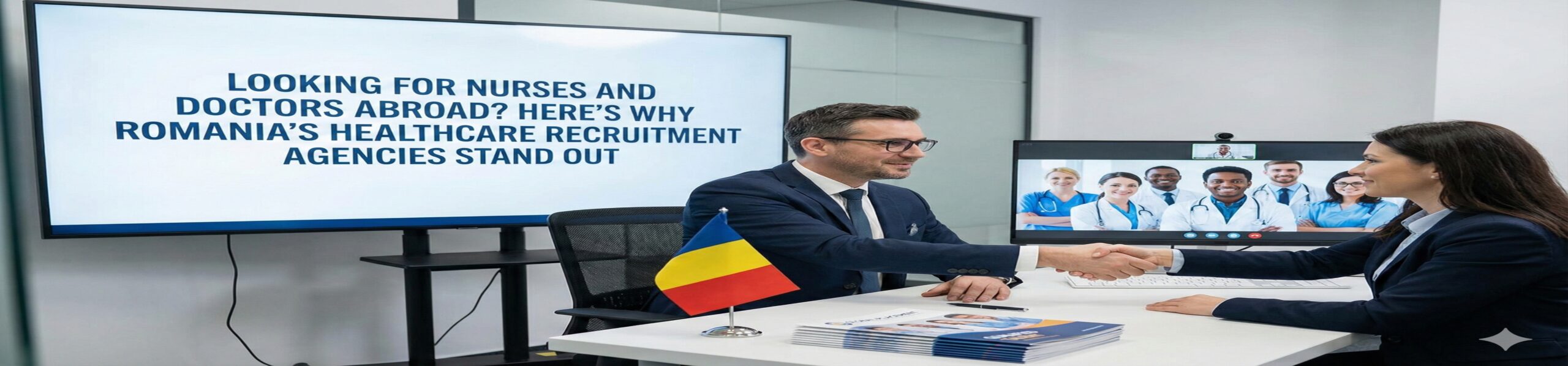
Finding qualified nurses and doctors abroad is becoming more competitive every year. Hospitals, clinics, long-term care centers, and private healthcare organizations across the globe are facing growing staff shortages. Many countries are looking for professionals who are not only skilled but also adaptable, dedicated, and culturally flexible. That is exactly why Romania has become one of the most trusted sources for international healthcare recruitment. The country has built a strong reputation for producing highly competent nurses and doctors who perform exceptionally well in diverse medical environments.
What sets Romania apart isn’t only the quality of its healthcare professionals but also the efficiency and integrity of Romania healthcare recruitment agencies. These agencies have developed systems, processes, and support structures that make overseas hiring smoother, faster, and far more reliable than many other regions. When employers are looking for nurses and doctors abroad, they want to know they are partnering with agencies that understand global compliance, offer transparent services, and ensure that both the employer and the medical worker receive fair and ethical treatment throughout the process.
In this article, we will dive deep into the reasons why Romania has become a preferred destination for international medical staffing. From rigorous screening methods to cultural readiness and ethical recruitment practices, Romania’s healthcare recruitment agencies truly stand out in the global market. If you’re searching for dependable, well-trained, and motivated medical staff from abroad, Romania offers one of the strongest talent pools and some of the most professional recruitment systems you can find today.
Why Choose Romania When Looking for Nurses and Doctors Abroad
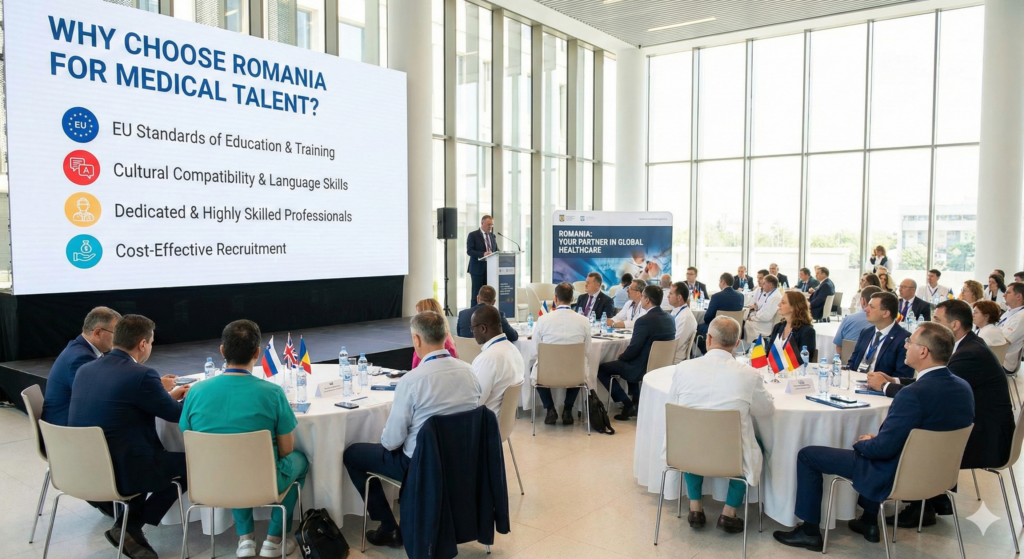
When employers begin searching for nurses and doctors abroad, Romania quickly rises to the top of the list—and for good reason. This Eastern European country has become a powerhouse in exporting medical talent, supplying thousands of professionals to hospitals and clinics worldwide. What makes Romania so appealing isn’t just the availability of skilled healthcare workers. It’s the combination of strong education, cultural adaptability, and an exceptional work ethic that international employers consistently praise. Romanian nurses and doctors are known for their dedication, compassion, and commitment to high-quality patient care, making them reliable assets to any healthcare system.
One of the major benefits of choosing Romania is the country’s well-established medical education infrastructure. Romanian medical universities have built an excellent global reputation, producing graduates who are well-prepared for modern healthcare challenges. Many programs align with European Union standards, meaning Romanian professionals receive rigorous training in evidence-based medicine, clinical practice, and patient safety. This alignment with international standards makes the transition to foreign medical environments smoother and more comfortable, both for the employee and the employer.
Another compelling reason is the availability of multilingual professionals. English proficiency is widespread among Romanian medical staff, and many also speak French, German, Spanish, or Italian—languages in high demand across global healthcare systems. This linguistic versatility helps reduce communication barriers, making integration with multicultural teams easier and more effective. When you hire Romanian nurses and doctors abroad, you’re bringing in individuals who can communicate clearly with patients, colleagues, and administrative staff, resulting in improved workflow and better patient experiences.
Finally, Romania offers a consistent and reliable workforce supply. Unlike regions where medical shortages limit recruitment possibilities, Romania continues to produce a stable number of healthcare professionals each year. This consistent availability gives employers confidence that they can find qualified candidates without long delays. For organizations urgently trying to fill crucial roles, this reliability can make a significant difference in maintaining quality care and operational efficiency.
How Romania’s Healthcare Recruitment Agencies Stand Out Globally
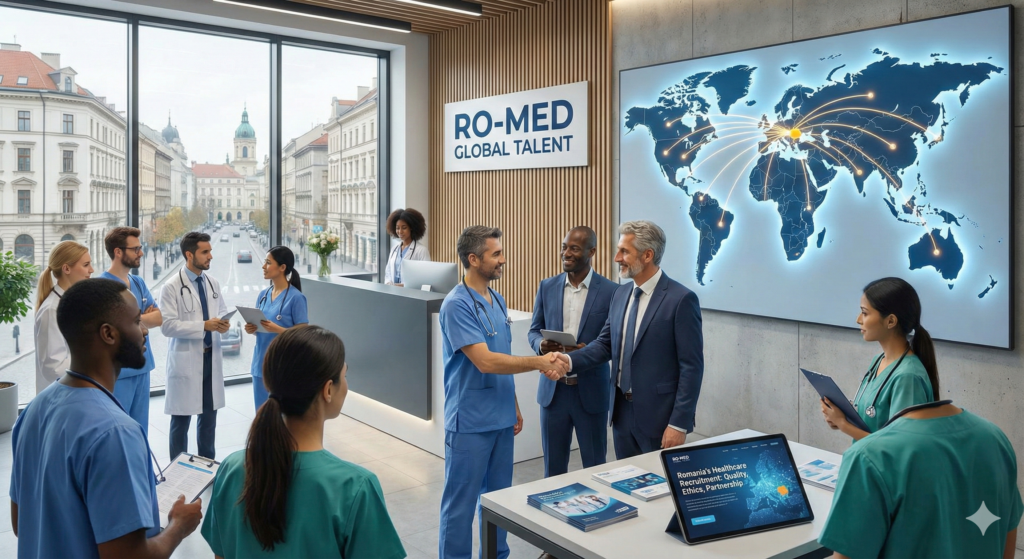
When organizations look for nurses and doctors abroad, they need recruitment partners who understand the complexities of international healthcare staffing. Romania’s healthcare recruitment agencies have earned a global reputation for reliability, transparency, and exceptional professionalism. What makes them stand out isn’t just the quality of the candidates they provide but the highly organized systems they use to deliver those candidates. These agencies don’t operate with a one-size-fits-all mentality; instead, they tailor their services to the specific needs of hospitals, clinics, and healthcare networks across various countries.
One of the standout strengths of Romanian agencies is their deep specialization in the healthcare sector. Many countries rely on general recruitment firms that may not fully understand medical licensing requirements, clinical competencies, or the nuances of healthcare regulations. Romania’s healthcare-focused recruiters, however, possess in-depth knowledge of nursing and medical qualifications, patient-care expectations, and international compliance standards. This expertise enables them to match the right candidates with the right jobs, reducing mismatches, turnover, and onboarding difficulties.
Another major advantage is their commitment to transparency and ethical processes. International recruitment can sometimes involve hidden fees, unclear communication, or irregular documentation practices. Romanian agencies, however, have built trust by providing clear timelines, honest evaluations, and full disclosure at every stage of the hiring process. Employers know exactly what to expect—from candidate screening and training to departure schedules and regulatory documents. This trust factor is one of the biggest reasons Romania has become a top choice for global healthcare staffing.
Additionally, Romanian healthcare recruitment agencies prioritize speed without sacrificing quality. Many overseas employers face urgent staffing needs due to shortages or expansions. Romanian recruitment firms have streamlined workflows and robust candidate databases, allowing them to respond quickly to employer demands. Their efficient processes include pre-selection interviews, language assessments, medical license verifications, and job-readiness evaluations, all of which shorten the recruitment timeline significantly. This combination of speed and accuracy makes them an invaluable partner for any healthcare organization searching for reliable medical professionals abroad.
Quality of Romanian Nurses and Doctors for International Healthcare

The global healthcare industry consistently praises the quality of Romanian nurses and doctors, and it’s easy to understand why. When employers are looking for nurses and doctors abroad, they want professionals who combine medical knowledge with compassion, adaptability, and reliability. Romanian healthcare workers embody these qualities naturally. Their strong academic background, hands-on clinical training, and patient-centered approach prepare them to excel in demanding hospital environments, whether in Europe, the Middle East, Asia, or beyond.
One of the biggest strengths of Romanian medical professionals is their solid educational foundation. Romania’s universities and nursing schools are known for rigorous curricula that emphasize both theoretical understanding and extensive clinical exposure. Students begin practical training early in their education, often spending significant hours in real hospital settings under the supervision of experienced physicians and nurses. This exposure helps Romanian healthcare workers become confident, skilled, and comfortable handling diverse medical cases before they even graduate.
Another key advantage is their strong adaptability. Many Romanian nurses and doctors grow up in multilingual, multicultural environments, which builds natural flexibility when working abroad. Their ability to integrate smoothly into new healthcare systems is highly appreciated by employers. Whether it’s adjusting to different medical technologies, adopting new care protocols, or working with colleagues from various nationalities, Romanian professionals tend to transition quickly and effectively. This adaptability reduces onboarding time and enhances workplace harmony—an essential factor in fast-paced healthcare environments.
International employers also value the emotional intelligence Romanian medical staff bring to patient care. They are trained to see patients not just as cases but as individuals with unique emotional and physical needs. This approach results in high patient satisfaction, better teamwork, and improved overall health outcomes. Their ability to stay calm under pressure, communicate gently, and build trust with patients makes them especially suited for environments where sensitivity and empathy are just as important as clinical expertise.
Finally, Romanian healthcare workers are known for their strong work ethic. They are disciplined, committed, and willing to go the extra mile—qualities that are critical in healthcare roles where responsibility and dedication directly impact patient lives. These attributes explain why Romanian nurses and doctors continue to be highly sought after globally.
Rigorous Screening Processes Used by Romania’s Healthcare Recruitment Agencies

One of the strongest reasons Romania’s healthcare recruitment agencies stand out is the meticulous and highly structured screening process they use before presenting candidates to international employers. When organizations look for nurses and doctors abroad, they want more than just resumes—they want verified, reliable, and fully prepared professionals. Romanian agencies understand this deeply, which is why their screening systems are designed to ensure every candidate meets global medical standards before being approved for overseas placement.
The first stage of the screening process typically involves credential verification, where agencies thoroughly check educational qualifications, diplomas, licenses, and certifications. Every document is validated to ensure authenticity, reducing the risk of fraudulent credentials that can cause serious compliance issues for employers. Romania’s recruitment agencies often have dedicated verification teams that work directly with universities, nursing schools, and government registries to confirm accuracy. This thoroughness ensures employers only receive candidates with legitimate and verified backgrounds.
Next comes skills assessment, a critical stage where agencies evaluate the clinical competencies of nurses and doctors. Depending on the destination country, this may include practical tests, theoretical exams, or simulated clinical scenarios that measure a candidate’s readiness. Romanian agencies often collaborate with experienced medical trainers or active healthcare professionals who can assess practical skills such as patient assessment, emergency response, medication administration, and documentation. This ensures that candidates not only meet academic standards but also have the real-world skills needed to excel abroad.
Language proficiency is another essential part of the screening process. Since communication plays a crucial role in patient care, Romanian agencies often conduct language assessments, especially in English, German, Italian, or French, depending on the employer’s needs. These assessments help determine whether candidates can communicate effectively with patients, colleagues, and supervisors. Candidates who need language improvement are guided into language training programs to reach the required level before deployment.
Finally, personality and adaptability evaluations are performed to ensure candidates fit well into multicultural environments. Soft skills like teamwork, empathy, stress management, and communication style are assessed through interviews and behavioral tests. These steps allow Romanian recruitment agencies to present employers with candidates who are not just technically capable but also emotionally equipped for international work. This depth of evaluation is one of the key factors that makes Romania’s healthcare recruiters exceptionally trusted worldwide.
Support Services Provided by Romania’s Healthcare Recruitment Agencies
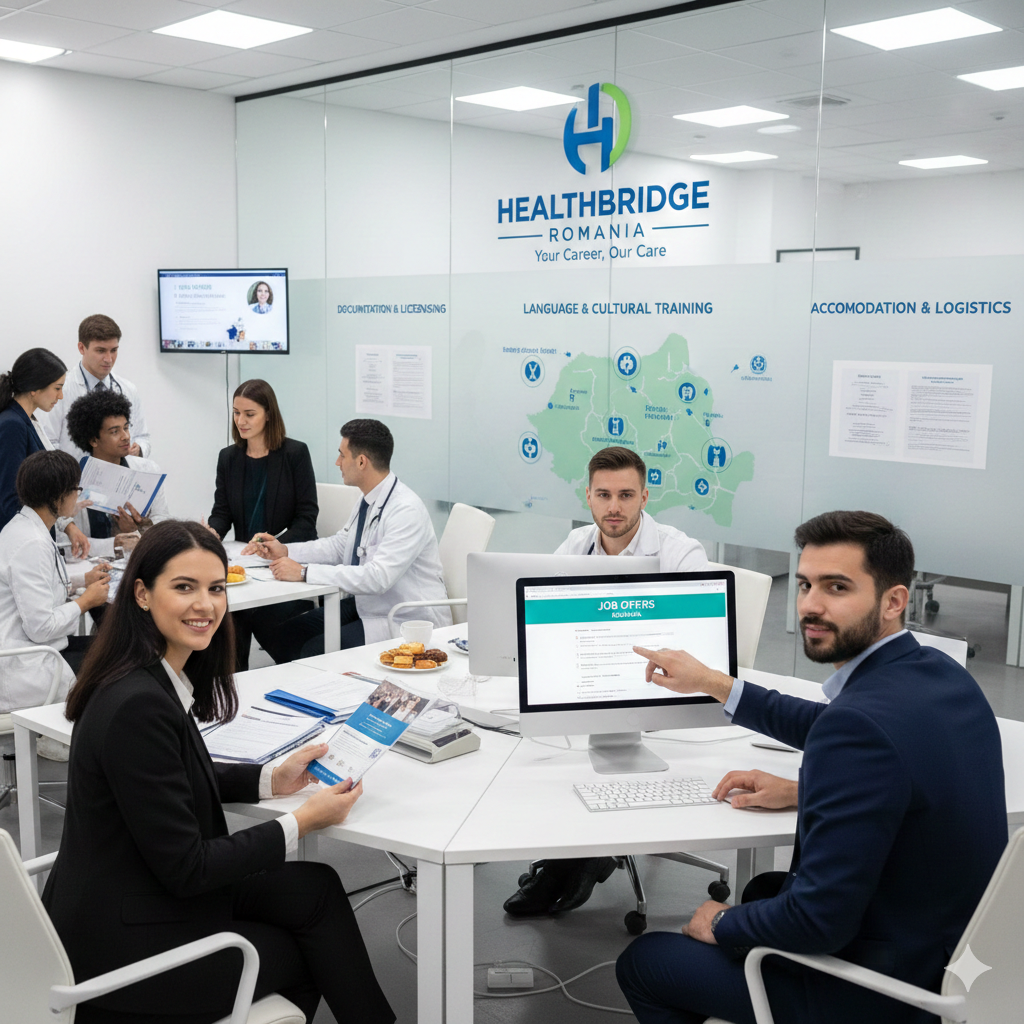
Romania’s healthcare recruitment agencies don’t stop at matching candidates with employers—they go much further. One of the biggest strengths of these agencies is their comprehensive support system designed to prepare nurses and doctors for successful international careers. When employers look for nurses and doctors abroad, they want professionals who are not only qualified but also ready to adapt to new environments quickly and confidently. Romanian agencies excel in this area by offering end-to-end support that significantly reduces the stress and complexity of overseas hiring for both the candidate and the employer.
A major part of this support involves documentation and administrative assistance. Navigating visa processes, work permits, medical clearances, and professional licensing requirements can be overwhelming, especially for candidates who have never worked abroad. Romanian recruitment agencies guide candidates through each step, ensuring all papers are completed accurately and submitted on time. This reduces delays and helps employers avoid compliance issues. Agencies often liaise with embassies, government institutions, and international regulatory bodies, making the entire process smooth and efficient.
Another valuable service is language and cultural training. Since many nurses and doctors work in countries where the healthcare system, medical terminology, and cultural expectations differ significantly, Romanian agencies provide training programs tailored to each destination. These programs may include language classes, cultural orientation sessions, workplace etiquette guidelines, and simulations of common patient interactions. By the time candidates arrive at their new workplaces, they are already familiar with the environment, which dramatically shortens adjustment periods and improves performance from day one.
Romanian agencies also offer job-readiness and professional development support. This can include interview preparation, resume enhancement, clinical refresher courses, and workshops on international healthcare standards. These services ensure candidates present themselves professionally and meet employer expectations easily. Many agencies even provide pre-departure seminars covering essential topics like housing arrangements, travel guidelines, financial planning, and adjusting to a new country.
What truly sets Romanian recruiters apart is their ongoing post-placement support. Instead of ending the relationship once the candidate arrives abroad, they continue to assist with integration, workplace challenges, and long-term career development. This continued engagement leads to smoother transitions, higher satisfaction levels, and improved retention rates—a massive benefit for employers who are investing in long-term staffing solutions.
How Romania’s Healthcare Recruiters Simplify Overseas Hiring

Romania has quietly become one of the most reliable sources of highly skilled medical professionals for countries facing healthcare shortages. Whether it’s hospitals in the UK, clinics in Germany, or senior care facilities in the Nordic region, Romanian doctors, nurses, caregivers, and therapists are consistently in demand. But behind this international success lies a well-organized ecosystem of Romanian healthcare recruitment agencies—specialized teams who streamline the entire hiring process for employers abroad.
These agencies don’t simply connect candidates with employers. They simplify, accelerate, and safeguard the entire overseas hiring journey. From screening to documentation, from language training to cultural preparation, Romania’s medical recruiters take the burden off employers by managing every detail with precision.
What makes Romania stand out? Why do global healthcare employers trust Romanian recruiters more than many others? And how exactly do these agencies ensure long-term retention and ethical hiring?
Let’s dive deeply into each aspect—step by step.
Cost-Effectiveness of Hiring Through Romanian Healthcare Recruitment Agencies
Hiring internationally can be expensive, especially when employers attempt to manage recruitment independently. Romanian healthcare recruitment agencies, however, offer a cost-effective solution that significantly reduces both financial risks and operational workload.
First, agencies in Romania operate with lower administrative and processing costs compared to agencies in Western Europe. This means employers can recruit the same level of highly trained professionals while spending far less on placement fees. Romania’s cost structure is influenced by its favorable economic environment, competitive service pricing, and established candidate pipelines. Employers benefit from fixed, transparent fees with no hidden charges—something not always guaranteed in other markets.
Another major advantage is reduced hiring time, which equals reduced cost. Every week a medical position remains unfilled, hospitals incur losses—overtime pay, burnout risks, patient backlogs, or temporary staffing expenses. Romanian recruiters cut hiring timelines drastically because they maintain pre-screened talent pools, meaning nurses and doctors are often ready for interviews immediately. This efficiency alone can save organizations thousands of euros per hire.
Additionally, many Romanian agencies offer bundled services such as:
- Language training
- Document legalization
- Visa and relocation support
- Credential recognition guidance
- Post-arrival monitoring
These bundled services eliminate the need for employers to hire separate agencies or consultants. When everything is handled under one roof, the total cost per hire drops without sacrificing quality.
Romanian recruiters also help minimize turnover costs. By matching candidates carefully to roles, ensuring cultural readiness, and offering support during the transition period, they reduce the likelihood of early resignation—which is one of the most expensive problems in international recruitment.
In short, Romanian healthcare recruitment agencies offer a combination of affordable pricing, faster processing, and added-value services that make overseas hiring far more economical for global healthcare employers.
Cultural Competence of Romanian Medical Professionals Abroad
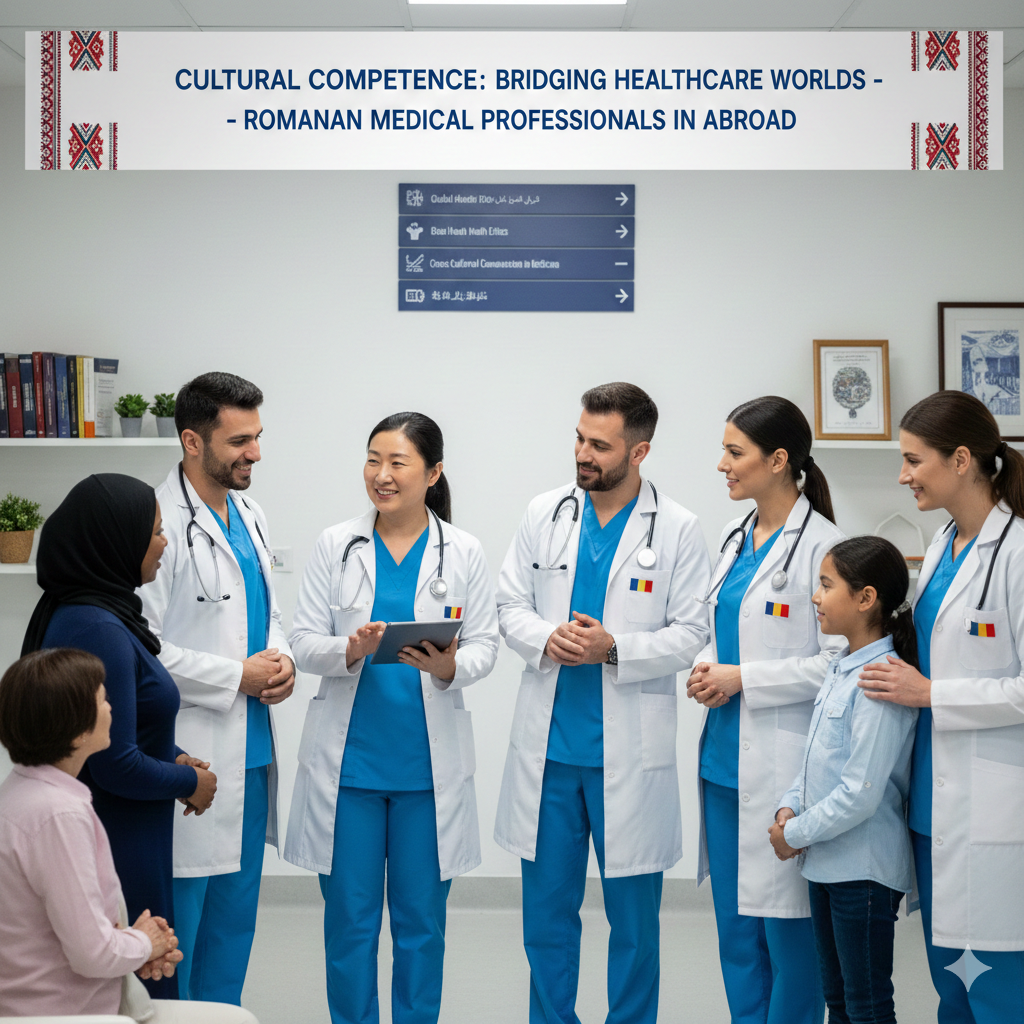
One of the strongest reasons Romanian healthcare workers thrive overseas is their exceptional cultural adaptability. This isn’t something created accidentally—it’s a product of Romania’s history, education system, and social environment. Romanian nurses and doctors grow up and train in a country rich in cultural diversity, exposed to various European influences, and educated with a global mindset. This background makes them naturally flexible, open-minded, and skilled at integrating into multinational workplaces.
Another important factor is Romania’s strong tradition of language learning. Many Romanian medical professionals speak English, French, Italian, or German at a conversational or even professional level before they receive any additional language training. This language advantage allows them to communicate clearly with colleagues, patients, and administrators from day one. For employers abroad, this means faster onboarding and fewer misunderstandings—a crucial element in healthcare environments where communication errors can have serious consequences.
Romanian healthcare workers are also widely recognized for their respectful and empathetic approach to patient care. Culturally, Romania places a high value on family, community, and interpersonal warmth, and this naturally extends to professional interactions. Nurses and doctors are taught to treat patients holistically, not just medically. When they move abroad, this culturally rooted compassion becomes a huge asset, helping them build strong relationships with patients from different backgrounds.
Another reason Romanian professionals excel abroad is their adaptability to unfamiliar systems. Whether they are adjusting to the digitalized processes of Scandinavian hospitals or the fast-paced clinical workflows of UK hospitals, Romanian workers quickly absorb new protocols. This adaptability comes from Romania’s rapidly evolving healthcare environment, where professionals must navigate both modern and traditional systems—making them more flexible and quick to learn.
Cultural competence also influences teamwork. Romanian medical staff integrate smoothly into multicultural teams because they are cooperative, disciplined, and accustomed to hierarchical yet collaborative work environments. Their willingness to learn, ask questions, and accept feedback creates a smooth, conflict-free working dynamic.
Ultimately, Romanian medical professionals bring a unique blend of linguistic skill, emotional intelligence, adaptability, and European cultural exposure. These traits not only make them easier to hire and train but also help employers reduce turnover and improve patient satisfaction across diverse healthcare settings.
How Romania Prepares Nurses and Doctors for International Standards
Romania’s medical education system is one of the strongest in Eastern Europe, and its alignment with EU standards has made Romanian healthcare professionals highly competitive on the global stage. The preparation process is not just academic—it is deeply practical, internationally oriented, and constantly updated to match the expectations of healthcare employers abroad. This is exactly why Romanian nurses and doctors are able to integrate seamlessly into hospitals throughout Europe, the Middle East, and even North America.
To begin with, Romanian medical universities follow EU-guided curriculums, ensuring that every student receives a standardized, high-quality education recognized across European borders. Medical degrees typically emphasize both theory and extensive hands-on training, preparing graduates to handle real-life medical scenarios confidently. Romanian students spend thousands of hours in hospitals during their training, often rotating through multiple departments—emergency, internal medicine, surgery, pediatrics, geriatrics, and more. This ensures that by the time they graduate, they have practical exposure that many countries view as superior to their own domestic training programs.
Another significant advantage is Romania’s focus on clinical competency. Students are assessed on practical skills, not just theoretical examinations. They learn essential procedures early, from taking patient histories and administering injections to managing emergencies and performing basic clinical interventions. This focus on applied learning ensures that Romanian graduates require minimal retraining when they begin working abroad.
Language preparation is also a major part of Romania’s international readiness. Many candidates undergo intensive language courses—English, German, French, Norwegian, or Italian—depending on their destination. Recruitment agencies often collaborate with accredited language centers to ensure candidates reach the specific proficiency levels required for licensing exams or employer interviews.
Romanian medical professionals are also trained to meet international documentation standards. They are prepared for credential evaluations, adaptation programs, and equivalency exams. Agencies guide them through every step—from preparing CVs that match employer formats to gathering transcripts, certifications, vaccination records, and clinical references.
Furthermore, Romanian healthcare education emphasizes ethical practice, patient safety, and cultural sensitivity—three pillars highly valued in international healthcare environments. Training programs increasingly incorporate global healthcare guidelines, WHO standards, and EU best practices.
Overall, Romania produces healthcare professionals who are not only clinically capable but also globally adaptable, linguistically prepared, and ready to meet international expectations from day one.
Ethical Recruitment Practices in Romania’s Healthcare Sector
Romania has built a strong reputation for ethical, transparent, and responsible recruitment practices, making it one of the most trusted countries for sourcing healthcare talent. Unlike regions where recruitment is rushed, unregulated, or driven solely by profit, Romanian agencies follow a structured, principled approach that protects both employers and healthcare workers. This commitment to fairness is one of the main reasons hospitals and clinics abroad repeatedly choose Romania for long-term staffing solutions.
A key foundation of this system is Romania’s alignment with the World Health Organization (WHO) Code of Practice on the International Recruitment of Health Personnel. This means Romanian agencies do not exploit shortages in vulnerable regions, avoid aggressive poaching tactics, and ensure candidates leave the country voluntarily without coercion. Nurses and doctors are fully informed about their rights, responsibilities, working conditions, and legal obligations before any contract is signed.
Transparency is central to the process. Romanian healthcare recruiters provide clear, detailed contracts outlining salary, benefits, working hours, overtime rules, relocation assistance, and employment expectations. Candidates are never surprised by hidden fees or unrealistic job promises—a problem that still occurs in some global recruitment markets. Most reputable Romanian agencies charge fees exclusively to employers, not candidates, ensuring that medical professionals are not financially pressured during their transition abroad.
Another cornerstone of ethical recruitment in Romania is strict compliance with legal frameworks. Agencies follow Romanian labor laws, European Union regulations, GDPR privacy requirements, and the destination country’s immigration rules. This reduces risks for employers and ensures that every placement is legitimate, fully documented, and legally protected. Agencies also provide candidates with pre-departure orientations covering cultural expectations, workplace norms, and rights protection, helping them avoid exploitation once abroad.
Beyond legal and contractual integrity, Romanian recruiters prioritize the well-being and safety of workers. Many agencies conduct follow-up calls for months after placement, checking on the candidates’ adjustment, mental health, and workplace environment. If issues arise, recruiters intervene to mediate or resolve concerns—demonstrating long-term responsibility rather than a “place-and-forget” approach.
This ethical ecosystem builds trust on all sides. Employers know they are hiring well-prepared, willingly mobile professionals. Candidates feel respected, protected, and valued. And ultimately, the healthcare systems that hire from Romania gain dedicated workers who arrive confident and ready, not misled or mistreated.
Success of Romanian Nurses and Doctors Abroad
Romanian healthcare professionals have earned an impressive global reputation, becoming some of the most sought-after workers in international medical environments. Their success abroad is not a coincidence—it is the outcome of strong medical training, cultural adaptability, and a work ethic that consistently exceeds employer expectations. From Western Europe to the Middle East and even Canada, Romanian nurses and doctors have proven their ability to integrate quickly, perform exceptionally, and advance rapidly in their careers.
One of the strongest indicators of their success is the high demand Romanian professionals see year after year. Hospitals in Germany, the UK, Ireland, the Netherlands, and Scandinavia constantly request Romanian candidates because they know the training quality and work standards are reliable. Many employers specifically mention that Romanian workers show a rare combination of compassion, discipline, and technical competence, making them ideal for patient-centered environments.
Career growth is another area where Romanians shine. Thousands of Romanian nurses who initially move abroad as general staff later advance into senior roles such as ward managers, team leaders, clinical specialists, or nursing supervisors. Similarly, Romanian doctors often continue their specialization or attain consultant-level positions after completing local equivalency programs. Their willingness to continually learn and take on higher responsibilities is a key factor behind their long-term success.
Romanian healthcare workers also tend to build strong relationships with patients. Their friendly communication style, patience, and empathy often make them favorites among long-term care residents, families, and hospital teams. This emotional intelligence helps them create trust quickly—an essential skill in environments where patients may already be anxious, vulnerable, or dealing with language barriers.
Another reason Romanian professionals thrive internationally is their resilience and adaptability. Whether adjusting to new technologies, different clinical protocols, or varying cultural expectations, they tend to embrace change instead of resisting it. Employers consistently note how Romanian workers pick up new digital systems, documentation processes, and clinical workflows faster than expected.
Finally, success stories from abroad frequently become motivation for future candidates. Many recruits move overseas because they know colleagues or relatives who have built stable, respected careers in foreign healthcare systems. This creates a positive cycle of ambition and achievement, reinforcing Romania’s global reputation for medical excellence.
In short, Romanian healthcare workers thrive abroad because they combine strong education, emotional intelligence, adaptability, and professionalism—qualities that make them valuable assets in any international healthcare setting.
Why Employers Prefer Romania for Medical Staffing
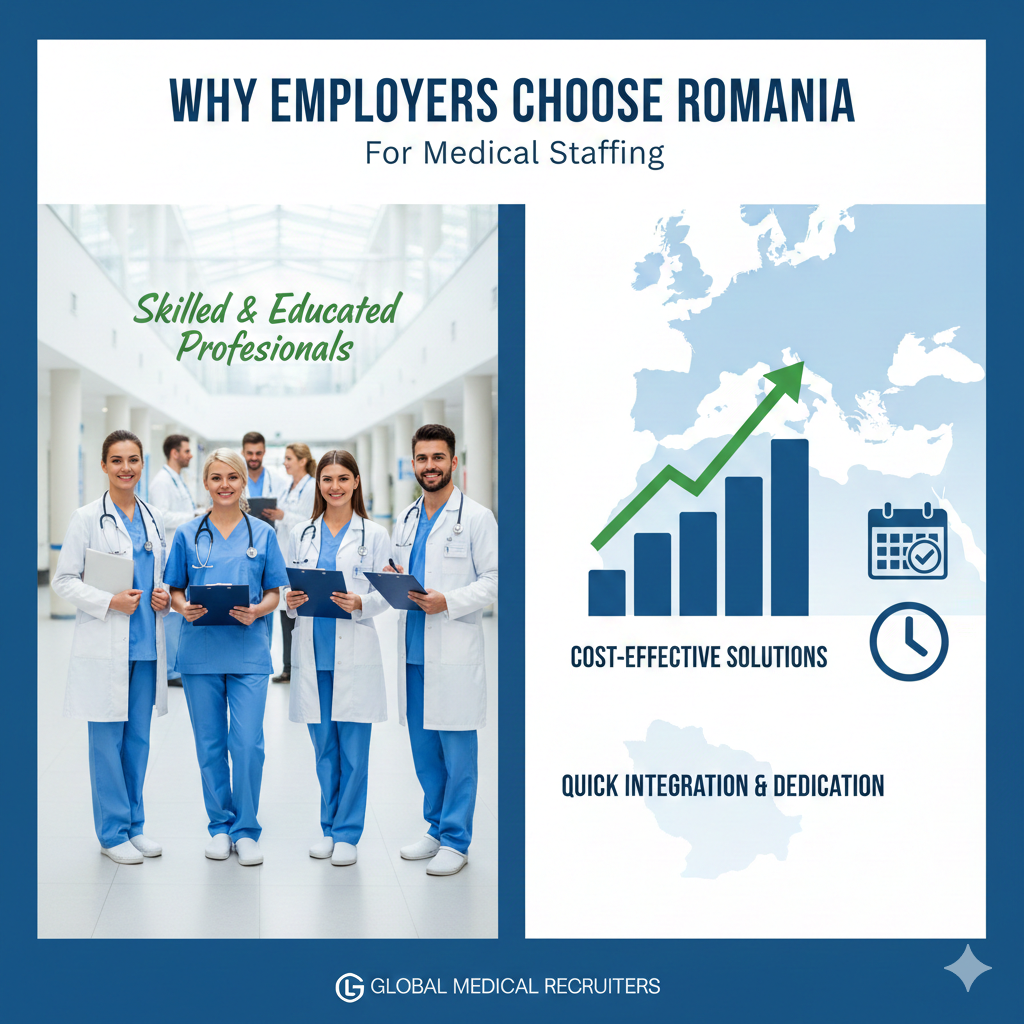
International healthcare employers consistently choose Romania as one of their top recruitment destinations—and the reasons go far beyond simple availability of candidates. Romania has developed a powerful reputation for producing medical professionals who are skilled, reliable, adaptable, and exceptionally motivated. This combination is rare, and employers who have already hired Romanian staff often return for additional recruitment because the experience is consistently positive.
One of the biggest advantages is strong English proficiency. Romania ranks among the highest in Europe in English-language competence, and many medical universities even offer full programs taught entirely in English or French. This means Romanian nurses and doctors can communicate clearly with international teams and patients from the moment they arrive. Employers don’t need to invest months into basic communication training, which dramatically speeds up integration and improves safety in clinical settings.
Another reason employers prefer Romania is the technical and clinical expertise its healthcare workers possess. Romania’s medical education system emphasizes rigorous training, early hands-on hospital exposure, and high academic standards. Many Romanian professionals have already handled challenging cases, heavy patient loads, and high-pressure environments before they even consider working abroad. This gives them the confidence and competence needed to step into demanding international roles without long adaptation periods.
Work ethic is another major factor. Romanian medical professionals are widely admired for their discipline, punctuality, dedication, and strong sense of responsibility. They take pride in their roles and often go above and beyond to support their teams. Employers frequently comment on their willingness to learn, positive attitude, and ability to adapt to new systems without resistance. These traits reduce turnover, improve team dynamics, and create a more stable workforce.
Additionally, Romania offers a consistent talent pipeline. Because the country produces thousands of medical graduates annually—and because many seek opportunities abroad to advance their careers—employers can rely on Romanian agencies to supply candidates year after year. This reliability helps healthcare systems plan long-term staffing strategies instead of constantly reacting to shortages.
Finally, Romanian recruitment agencies themselves make the hiring process attractive. Their professionalism, transparency, and ethical standards give employers confidence that they are receiving properly screened, well-prepared candidates. This level of organization makes Romania a safer and more dependable recruitment destination compared to many other global markets.
For all these reasons—language ability, education quality, work ethic, adaptability, and agency professionalism—Romania remains one of the most trusted sources of healthcare talent worldwide.
How Romania’s Healthcare Recruiters Ensure Long-Term Retention
One of the greatest strengths of Romanian healthcare recruitment agencies is their ability not just to place candidates but to ensure they stay, thrive, and grow within their new healthcare environments. Long-term retention is a major concern for international employers, especially in regions where high turnover rates have become costly and disruptive. Romanian agencies recognize this challenge and have developed specialized systems that support both the worker and the employer long after placement.
It all begins with careful candidate selection. Agencies in Romania don’t simply match skills—they assess personality, adaptability, language proficiency, and long-term career goals. By aligning these factors with the employer’s culture, staffing needs, and work environment, agencies significantly reduce the risk of misalignment or early resignation. When the right fit is made from the start, retention naturally becomes stronger.
Another pillar of long-term retention is pre-departure training. Romanian recruiters go far beyond basic interviews. They provide extensive preparation programs, including cultural orientation, workplace protocol training, and communication expectations tailored to the destination country. Whether workers are heading to a German hospital, a Dutch elderly care facility, or a UK NHS trust, they receive detailed guidance about what daily life and work will look like. This dramatically reduces the shock and stress that often lead to early burnout or homesickness.
Language training is another major support factor. Agencies ensure candidates meet the employer’s required proficiency level before departure, which avoids the frustration and isolation that can occur when workers struggle to communicate. Strong language skills also help professionals integrate socially, make friends faster, and feel confident in their roles—key components of long-term satisfaction.
Romanian agencies also provide relocation and settlement support. This includes help with accommodation, transportation, document processing, and even connecting workers with local Romanian communities abroad. When candidates feel supported during their transition, they are far more likely to remain committed to their jobs.
Post-placement support is another defining characteristic. Agencies maintain contact for months—sometimes years—after placement. They check on worker satisfaction, address challenges, and mediate issues with employers if necessary. This ongoing involvement shows workers that they are not alone and reassures employers that their investment is protected.
By combining thorough preparation, personalized matching, strong communication, and continuous support, Romanian healthcare recruiters create an environment where medical professionals feel valued, confident, and motivated to build long-term careers abroad. This approach benefits everyone: employers gain stability, workers achieve career growth, and recruitment agencies maintain an impeccable reputation for reliability.
Conclusion
Romania has become one of the most trusted, reliable, and efficient sources of international healthcare talent—and the reasons stretch far beyond simple workforce availability. The country has built an entire ecosystem designed to support ethical recruitment, world-class medical training, cultural readiness, and long-term career success for its nurses, doctors, and allied healthcare professionals. This holistic approach is what makes Romanian healthcare workers stand out in global hospitals, clinics, and senior-care facilities.
Healthcare recruitment agencies in Romania play a central role in this success story. They simplify every step of overseas hiring, ensuring employers abroad receive candidates who are not only clinically competent but also fully prepared for the cultural, linguistic, and professional demands of their new environment. Their services—from language training to documentation assistance, from pre-departure orientation to post-placement support—ensure smoother transitions and dramatically reduce the risks associated with international hiring.
What truly sets Romania apart is the combination of high skill, strong work ethic, adaptability, and cultural competence. Romanian medical professionals are known for their compassion, their willingness to learn, and their ability to integrate seamlessly into diverse healthcare teams. Employers appreciate their reliability, professionalism, and dedication—qualities that directly impact patient care quality and workplace stability.
Equally important is Romania’s commitment to ethical recruitment. Agencies follow WHO guidelines, protect worker rights, and ensure transparency throughout the hiring process. This protects both employers and candidates, creating long-term trust and repeat collaborations.
As global healthcare shortages continue to rise—particularly in Europe, Canada, and the Middle East—Romania remains a strategic, dependable solution. The country consistently produces skilled professionals who are motivated to grow, eager to embrace international opportunities, and capable of meeting the highest standards of patient care.
In a world where retention matters as much as recruitment, Romania delivers both. Employers gain dedicated staff who stay long-term, workers gain career advancement and security, and patients receive compassionate, competent care. It’s a win-win for every side of the healthcare equation.
Romania’s healthcare recruitment model is not just effective—it is a benchmark for how international staffing should be done: ethically, efficiently, and with genuine care for people.
FAQs
- Why are Romanian nurses popular in countries like the UK and Germany?
Romanian nurses are valued for their strong clinical training, excellent English proficiency, adaptability, and compassionate approach to patient care. Their education aligns with EU standards, making it easier for them to integrate quickly into foreign healthcare systems. - How long does hiring through a Romanian healthcare recruiter take?
Hiring timelines vary, but most agencies complete the process within 6–12 weeks, depending on language requirements, visa processing, and employer needs. Pre-screened candidates can often be placed even faster. - Do Romanian recruitment agencies provide language training?
Yes. Many agencies offer fully structured language programs in English, German, French, Italian, or Norwegian to ensure candidates meet employer expectations and licensing requirements. - Are Romanian medical qualifications recognized internationally?
Romania is an EU member, so its medical qualifications follow European standards and are recognized in most EU countries. Additionally, many nations outside the EU accept Romanian credentials after simple equivalency procedures. - What makes Romanian healthcare workers stay long-term in overseas placements?
Strong preparation, realistic expectations, cultural orientation, ongoing support, and ethical contracts help Romanian workers feel confident and secure. This leads to higher satisfaction and long-term retention.
Leave a Reply