
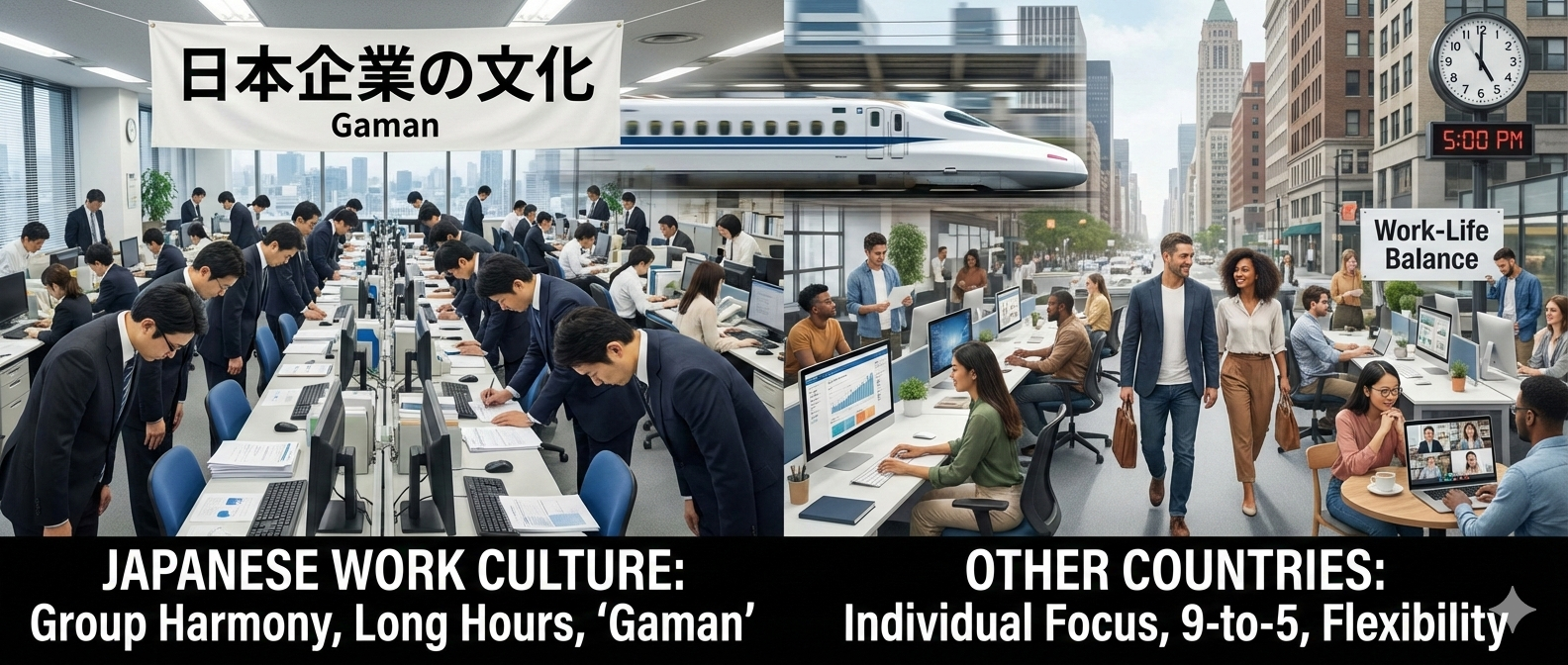
Understanding the Soul of Japanese Work Culture


When people talk about Japanese work culture, they often imagine long office hours, silent trains, bowing employees, and unmatched discipline. But Japanese work culture is not just about working hard; it is about why people work the way they do. It is a deeply rooted mindset formed through history, struggle, survival, and an unbreakable belief in human potential. Unlike many countries that rely heavily on natural resources, Japan built its success on something invisible yet powerful—the human brain.
Japanese work culture stands apart from other countries because it is driven by responsibility, respect, and purpose rather than only money or personal ambition. Work in Japan is not seen as a burden; it is seen as a duty to society. This perspective did not appear overnight. It was forged in one of the darkest moments of human history—when atomic bombs devastated Japan and left the nation with almost nothing.
Understanding Japanese work culture means understanding the pain, determination, and discipline that shaped it. It also means recognizing how culture, government, education, and social values come together to create one of the most efficient work systems in the world. Let’s dive deep into how Japan transformed destruction into discipline and why its work culture is so different from other countries.
The Historical Turning Point: Japan After World War II
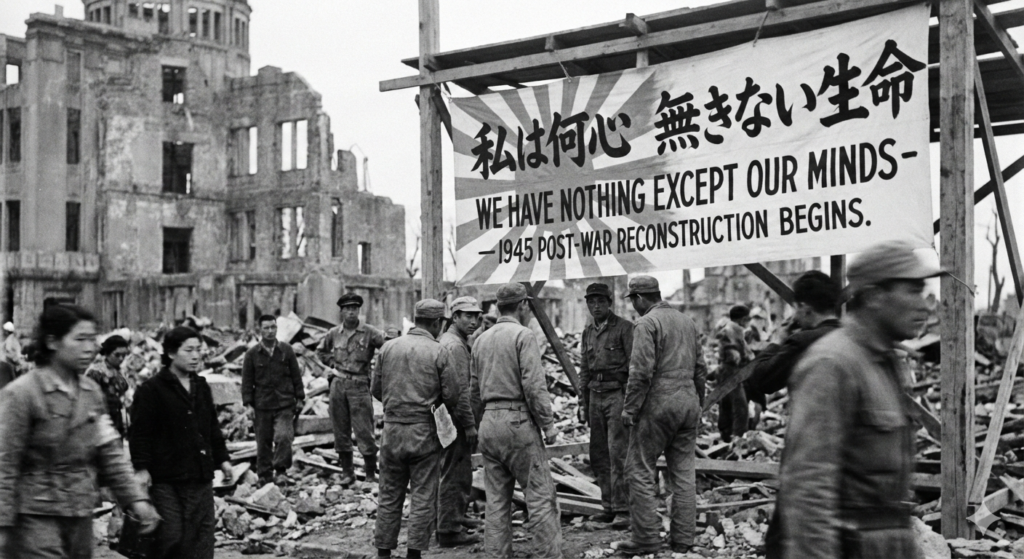
Japan’s Devastation After the Atomic Bomb
When the atomic bombs were dropped on Hiroshima and Nagasaki, Japan was pushed to the edge of survival. Cities were destroyed, millions of lives were lost, industries collapsed, and the economy was in ruins. Unlike countries blessed with vast land, oil, or natural resources, Japan faced a harsh reality—it had very little to fall back on. The nation was surrounded by natural threats like earthquakes and tsunamis, making survival even more uncertain.
At that moment, Japan stood at a crossroads. Many nations would have collapsed under such pressure, but Japan chose a different path. Instead of focusing on what it had lost, the country focused on what it still had—its people. Japanese leaders and thinkers realized that while land could be destroyed and resources could run out, the human brain remained the most powerful asset.
“We Have Nothing Except Our Minds”
While other countries defined themselves by their resources—India by its land, Saudi Arabia by its oil—Japan made a bold statement: we have nothing, but we have brains. This simple yet powerful realization became the foundation of Japan’s future. The Japanese believed that intelligence, discipline, and dedication could rebuild a nation from ashes.
This mindset transformed the way people viewed education, work, and responsibility. Every citizen was encouraged to contribute, learn Japanese, and improve. Work was no longer just a way to earn money; it became a mission to rebuild the nation. This collective responsibility is one of the strongest pillars of Japanese work culture and a major reason it differs so much from other countries.
The Power of the Japanese Mindset
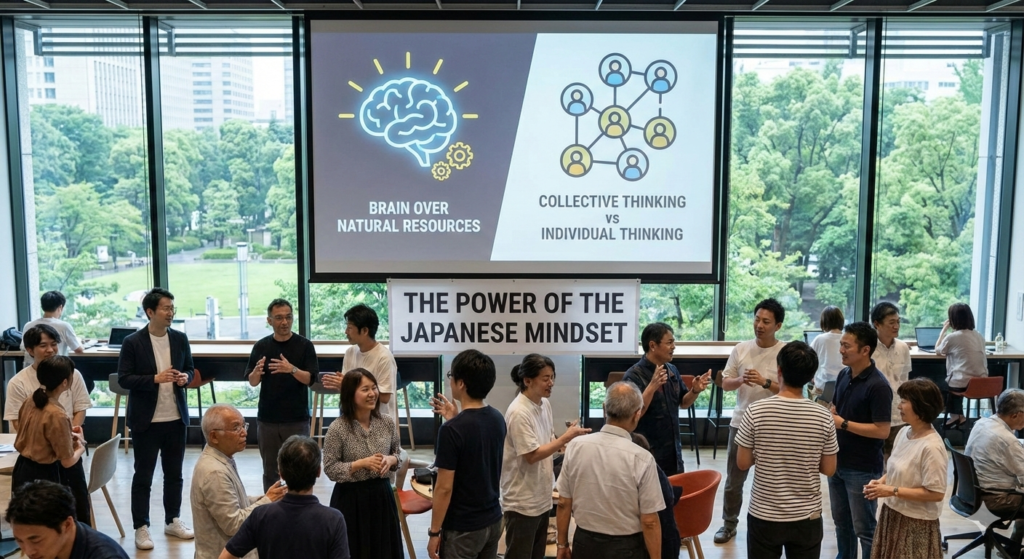
Brain Over Natural Resources
Japan’s success story proves one important lesson: natural resources are optional, but mindset is essential. While many countries depend on oil, minerals, or fertile land, Japan depends on innovation, skills, and discipline. This is why Japanese work culture emphasizes learning, precision, and efficiency.
Employees are trained to think critically, solve problems, and improve processes continuously. Mistakes are not ignored, but they are treated as opportunities for improvement. This approach creates a workforce that is resilient, adaptable, and forward-thinking.
Collective Thinking vs Individual Thinking
One major difference between Japanese work culture and other countries is the focus on collective success rather than individual glory. In many Western cultures, personal achievement and recognition are highly valued. In Japan, success is shared. Employees see themselves as part of a larger system where everyone’s role matters.
This collective mindset reduces workplace conflict and increases cooperation. People are willing to sacrifice personal comfort for team success, which leads to higher productivity and stronger organizational loyalty.
Sending Minds Abroad: Learning From the World

Japan’s Strategy of Global Learning
Instead of isolating itself after the war, Japan opened its doors to the world. The government sent students, engineers, and professionals to countries like the United States, Germany, and the United Kingdom to learn advanced technologies and management systems. These individuals were not tourists; they were learners on a mission.
They observed how factories worked, how systems were managed, and how efficiency was achieved. They absorbed knowledge like sponges and brought it back to Japan, where it was adapted to Japanese values and culture.
Bringing Technology Back Home
What made Japan unique was not just learning from others, but improving what it learned. Japanese professionals refined technologies, increased efficiency, and focused on quality. This approach gave birth to world-renowned brands like Toyota, Sony, Honda, and Panasonic.
This dedication to learning and improvement became deeply embedded in Japanese work culture. Employees are encouraged to constantly upgrade their skills, making lifelong learning a norm rather than an exception.
Work as a Moral Responsibility in Japan
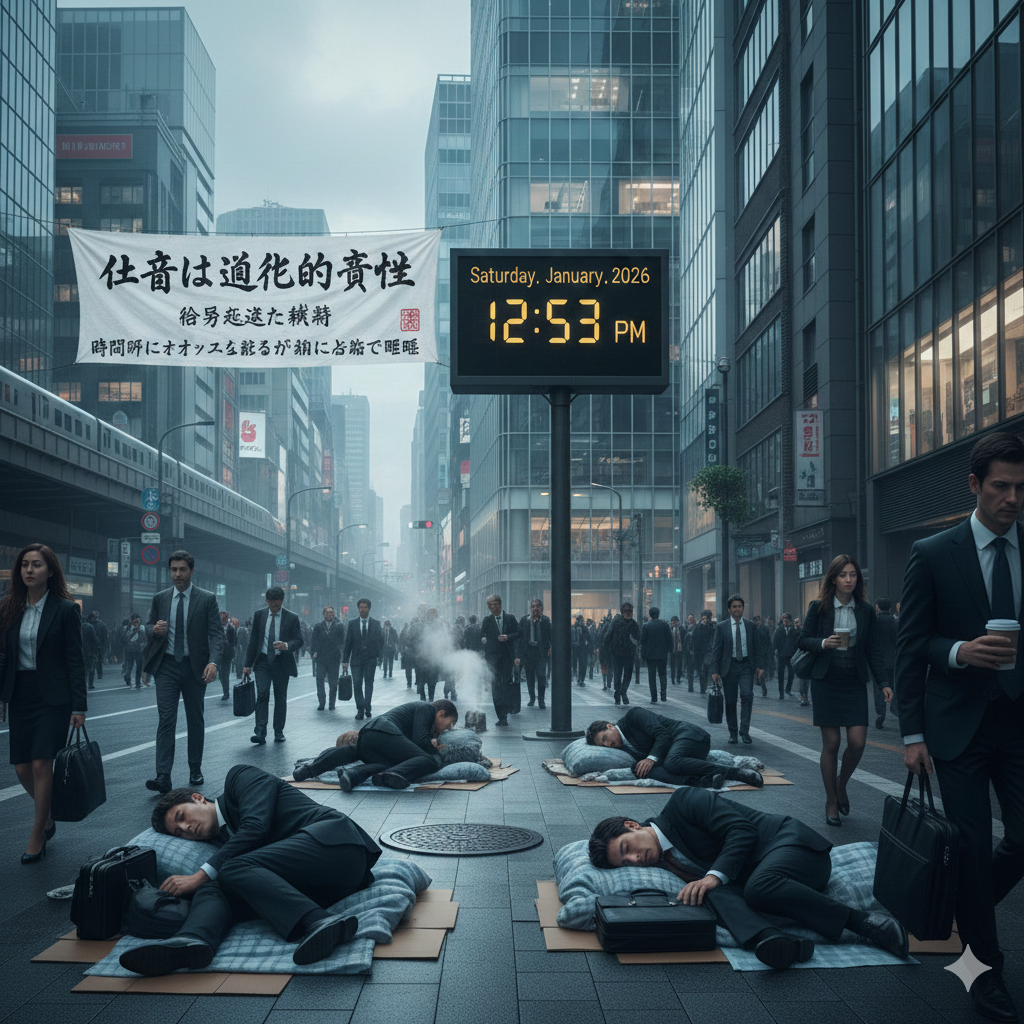
Dedication Beyond Salary
In Japan, work is not only about earning a paycheck. It is about honor, responsibility, and contribution. Employees feel morally responsible for their roles. If something goes wrong, they take ownership rather than shifting blame.
This sense of duty explains why Japanese workers are known for their dedication. Many believe that doing their job well is a way of respecting their company, their colleagues, and their country.
Sleeping on Roads to Reach Office on Time
There are stories—real and symbolic—of Japanese workers sleeping on roads or train stations because they missed the last train after working late. Instead of going home and risking being late the next morning, they choose to stay nearby to ensure punctuality.
While this may sound extreme to outsiders, it reflects how deeply punctuality and responsibility are valued in Japanese work culture. Time is not just money; it is respect.
Punctuality: The Backbone of Japanese Work Ethics
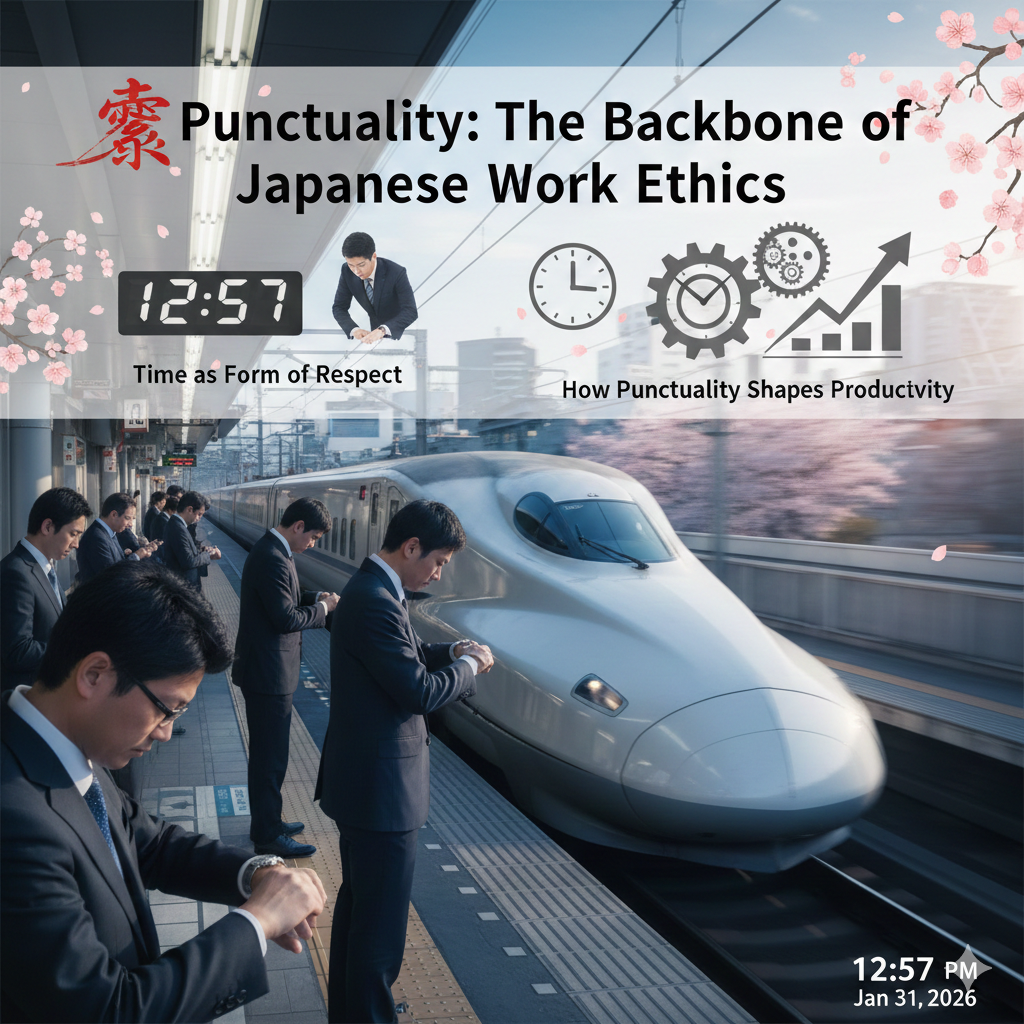
Time as a Form of Respect
In Japan, being on time means respecting others. Being late is seen as a sign of carelessness and disrespect. This applies to meetings, trains, deadlines, and daily routines. Japanese trains are famous for being accurate to the second, and when delays happen, formal apologies are issued.
This strict attitude toward time increases efficiency and trust in the workplace. When everyone values punctuality, planning becomes easier and productivity improves.
How Punctuality Shapes Productivity
Punctuality creates discipline, and discipline creates success. Japanese employees plan their tasks carefully to avoid delays. Meetings start on time and end on time, reducing wasted hours. Compared to many countries where delays are common and accepted, Japan’s respect for time sets it apart.
Discipline and Consistency in Japanese Workplaces
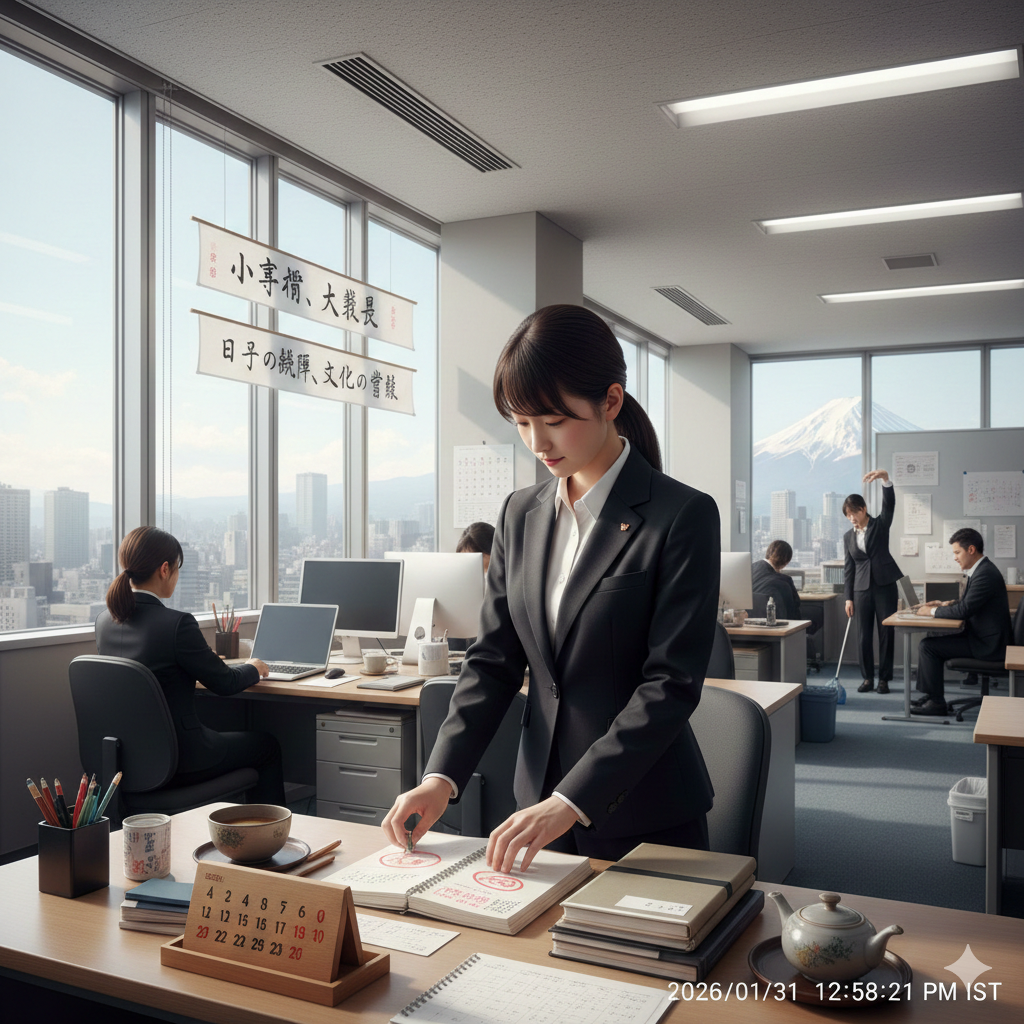
Small Habits, Big Results
Japanese work culture emphasizes small daily habits—cleaning workspaces, organizing tools, following procedures, and maintaining order. These habits may seem minor, but they create a powerful foundation for consistency and efficiency.
Employees clean their own offices instead of relying on cleaners. This practice builds humility and responsibility while maintaining a clean environment.
Daily Discipline as a Cultural Norm
Discipline is not enforced through fear; it is cultivated through culture. From childhood, Japanese people are taught to follow rules, respect others, and take responsibility for their actions. This upbringing naturally extends into professional life.
Kaizen Philosophy: Continuous Improvement
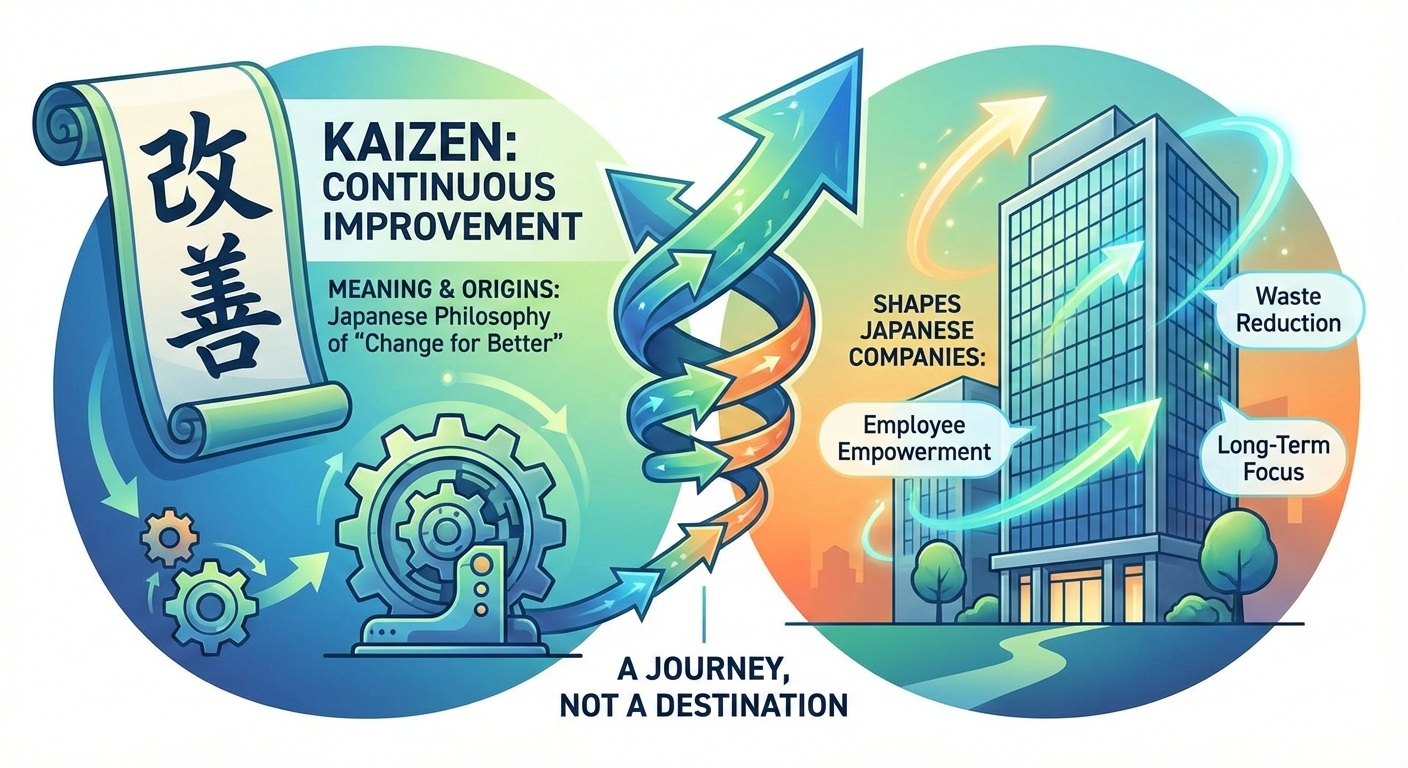
Meaning and Origins of Kaizen
Kaizen means “change for the better.” It is one of the most influential philosophies in Japanese work culture. Kaizen focuses on continuous improvement through small, consistent changes rather than dramatic transformations.
Employees at all levels are encouraged to suggest improvements. This inclusive approach makes workers feel valued and engaged.
How Kaizen Shapes Japanese Companies
Kaizen helps companies stay competitive and efficient. Instead of waiting for problems to grow, Japanese organizations address issues early. This proactive mindset is one of the reasons Japanese products are known for quality and reliability.
Respect, Hierarchy, and Workplace Harmony

Senpai-Kohai System
Japanese workplaces operate under a senior-junior system known as senpai-kohai. Seniors guide juniors, while juniors show respect and loyalty. This system ensures knowledge transfer and maintains harmony.
Respect as a Productivity Tool
Respect reduces conflict and builds trust. When employees feel respected, they are more motivated to perform well. Japanese work culture proves that respect is not just polite—it is productive.
Words Have Value: Communication in Japanese Work Culture
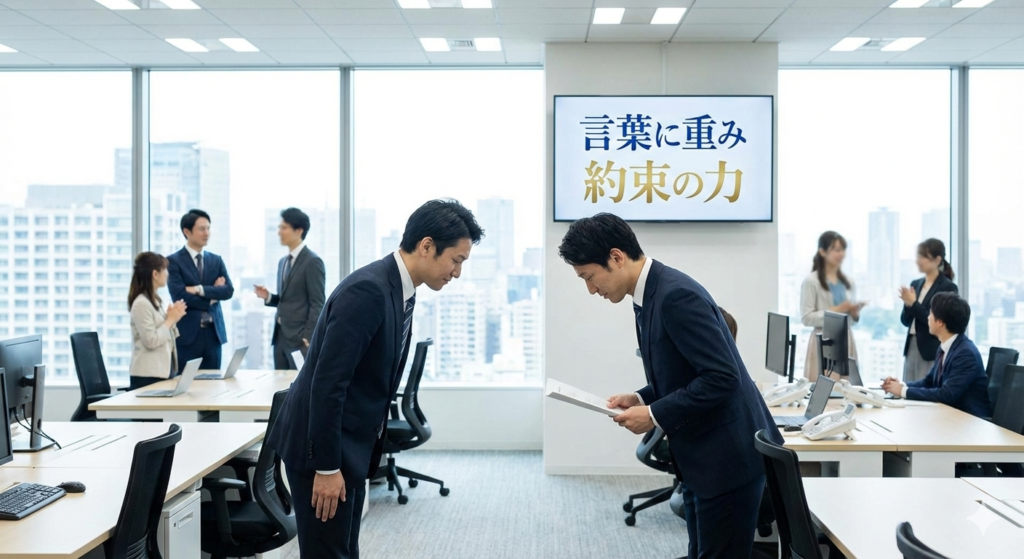
Power of Commitment
In Japan, words carry weight. People do not make promises lightly, but when they do, they honor them. Verbal commitments are taken seriously, and breaking them damages trust.
Why Promises Are Rare but Serious
This culture of careful communication reduces misunderstandings and builds strong professional relationships. Compared to cultures where words are often exaggerated, Japan’s approach fosters reliability.
Teamwork Over Individual Glory
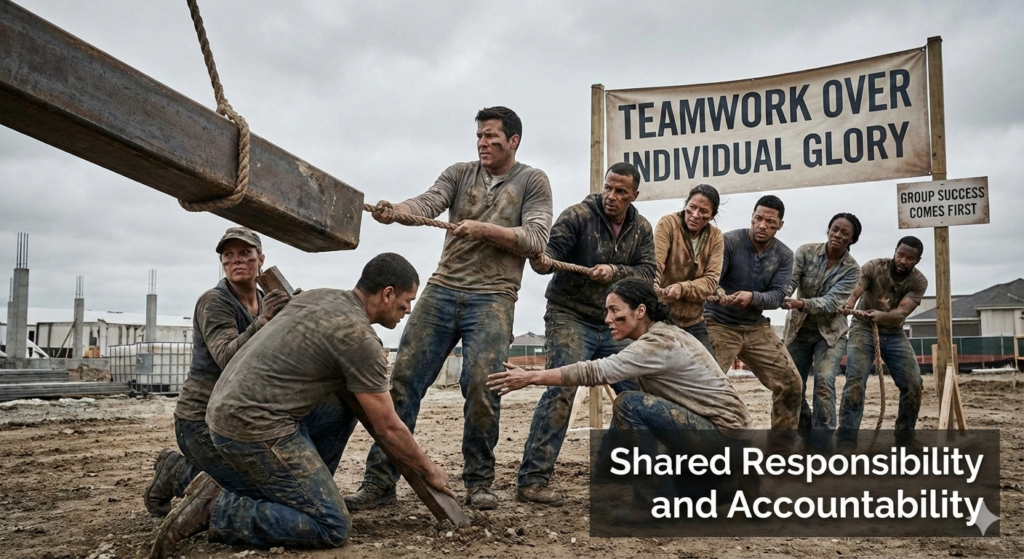
Group Success Comes First
Japanese employees prioritize team goals over personal recognition. Success is celebrated collectively, and failure is faced together. This approach strengthens bonds and reduces unhealthy competition.
Shared Responsibility and Accountability
Everyone is accountable for outcomes, which encourages cooperation and mutual support. This collective responsibility is a key difference between Japanese work culture and individual-focused cultures.
Work-Life Balance: A Misunderstood Reality
Long Hours vs Meaningful Contribution
Japanese workers are often criticized for long working hours, but the reality is more complex. Many employees stay late out of loyalty or social expectation rather than workload.
The Reality Behind “Workaholism”
While work-life balance is improving, the cultural belief that work equals contribution still influences behavior. The government is now promoting healthier work habits.
Government’s Role in Health, Environment, and Work Ethics
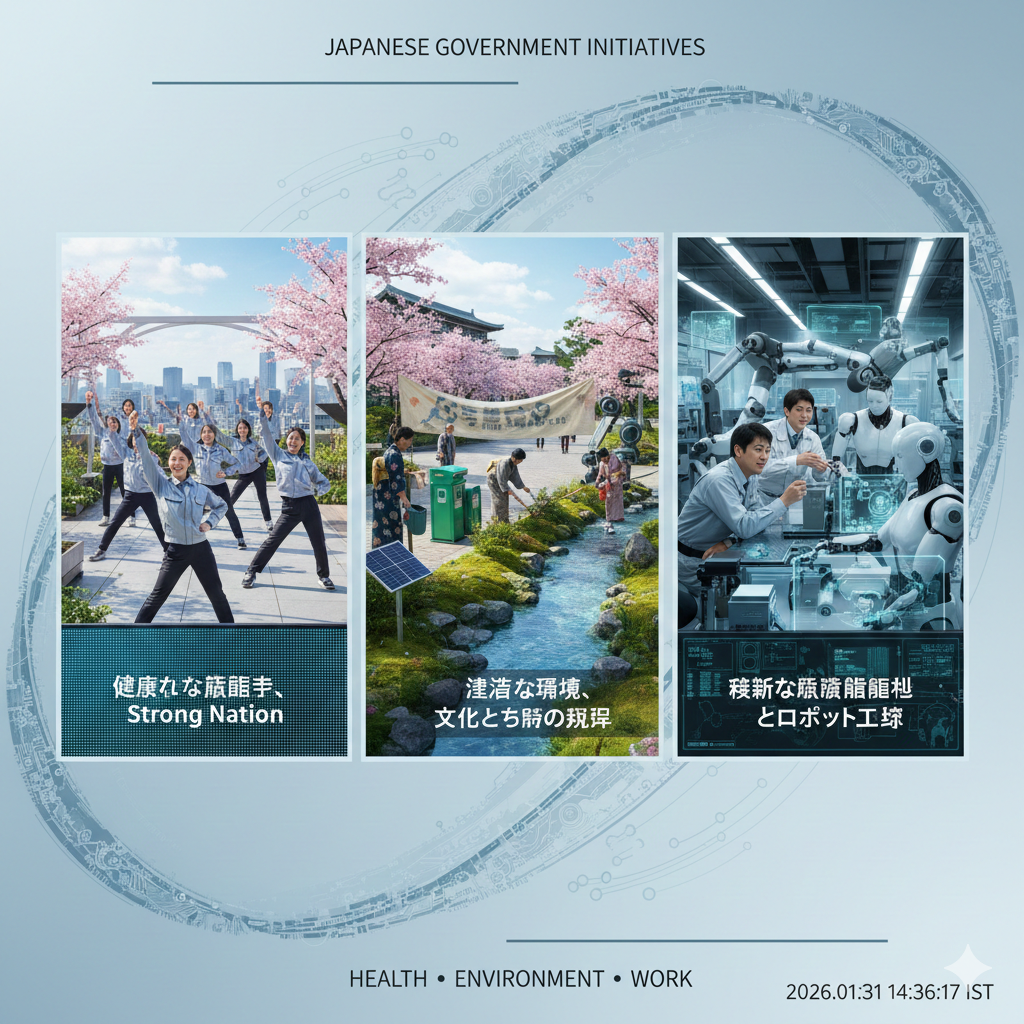
Healthy Workers, Strong Nation
The Japanese government invests heavily in healthcare and wellness. Regular health checkups ensure a productive workforce.
Clean Environment as Cultural Discipline
Japan’s cleanliness reflects discipline and respect for shared spaces. A clean environment supports mental clarity and efficiency.
Japanese Work Culture vs Other Countries
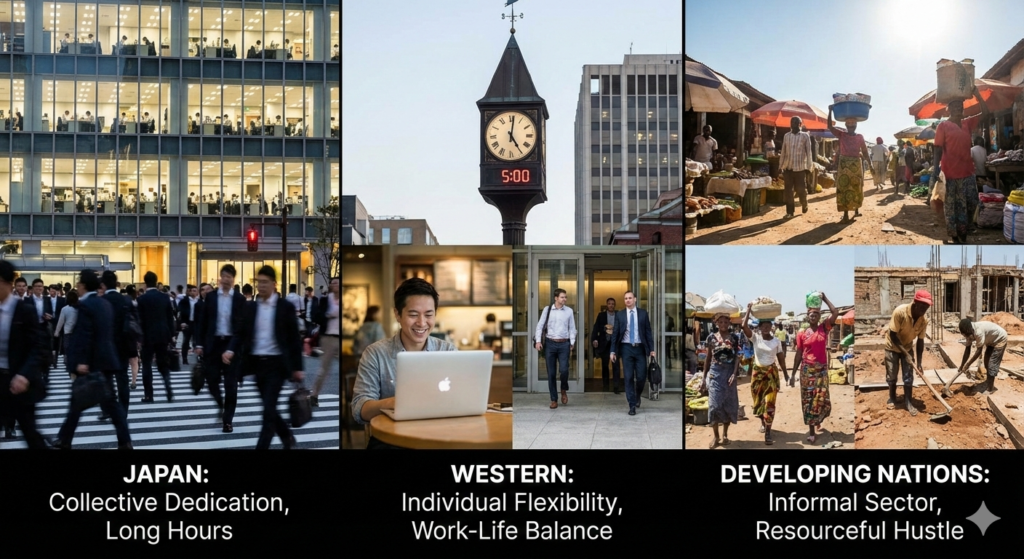
Comparison with Western Work Culture
Western cultures value individuality and flexibility, while Japan values discipline and collective effort. Both have strengths, but Japan’s consistency often leads to long-term success.
Comparison with Developing Nations
In many developing countries, systems struggle due to lack of discipline and accountability. Japan shows how culture can overcome limited resources.
Challenges Within Japanese Work Culture

Pressure, Stress, and Karoshi
Excessive work pressure has led to issues like karoshi (death from overwork). This highlights the need for balance.
Modern Reforms and Cultural Shifts
Japan is gradually adopting flexible work models and mental health awareness to address these challenges.
What the World Can Learn from Japanese Work Culture
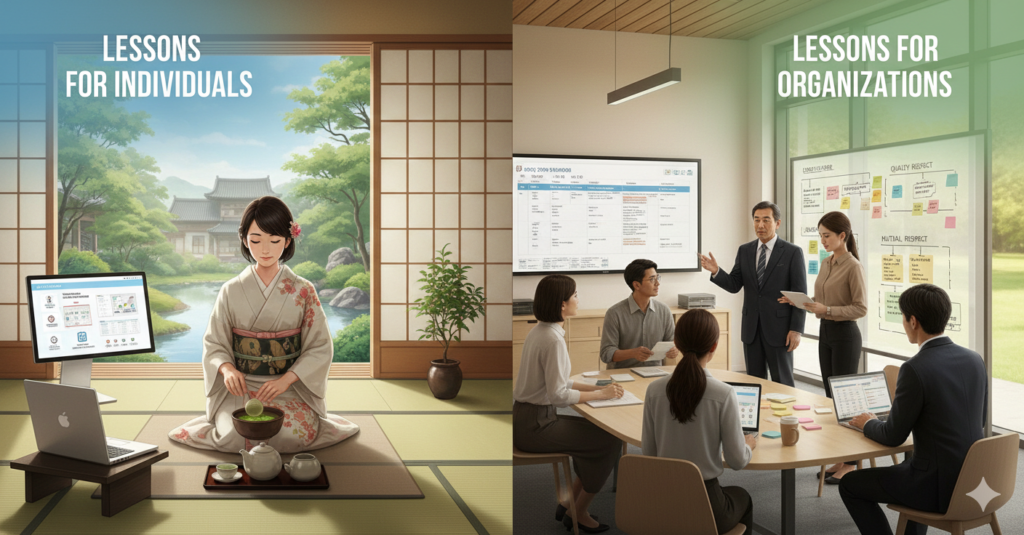
Lessons for Individuals
- Discipline creates freedom
- Respect builds trust
- Consistency beats intensity
Lessons for Organizations
- Invest in people
- Encourage continuous improvement
- Build a culture of responsibility
The Future of Japanese Work Culture in a Globalized World

Japan is adapting its traditions to modern realities. While technology and globalization bring change, the core values of discipline, respect, and dedication remain strong.
Conclusion
Japanese work culture is not just different—it is deeply intentional. Born from hardship, shaped by discipline, and sustained by respect, it proves that a nation without resources can still lead the world through mindset and culture. Japan teaches us that when people believe in responsibility, value their words, and commit to improvement, success becomes inevitable.
Frequently Asked Questions (FAQs)
- Why is Japanese work culture so disciplined?
Because discipline was necessary for survival after national devastation. - Do Japanese people value work more than life?
They value contribution, but balance is increasingly encouraged. - What is Kaizen in simple words?
Continuous improvement through small daily changes. - Why is punctuality important in Japan?
Because time is seen as respect. - Can other countries adopt Japanese work culture?
Yes, by adapting its principles to local values.

Leave a Reply